


































Walk into any skincare conversation and you will hear the same four names: niacinamide, vitamin C, salicylic acid and retinol. Each is well studied and genuinely useful — but they do different jobs, and using the wrong one (or all four at once) is a common reason for irritated skin. Here is a plain-language guide to choosing the right one for your skin.
Quick Guide: Which Active for Which Concern?
| Your main concern | Start with |
|---|---|
| Oily skin, large-looking pores, uneven tone | Niacinamide |
| Dullness, dark spots, sun damage | Vitamin C |
| Blackheads, whiteheads, breakouts | Salicylic acid |
| Fine lines, rough texture, long-term acne marks | Retinol |
| Dry, tight or dehydrated skin | Hyaluronic acid (plus a good moisturiser) |
Niacinamide (Vitamin B3)
What it does: helps regulate oil, supports the skin barrier and can gradually even out redness and dark marks. It is one of the gentlest actives, which makes it a good first serum.
Who it suits: almost everyone, especially oily and combination skin in humid weather.
How to use: morning and/or night after cleansing, before moisturiser. Products range from about 2% to 10%; higher is not always better — if 10% makes your skin red or itchy, try a lower strength.
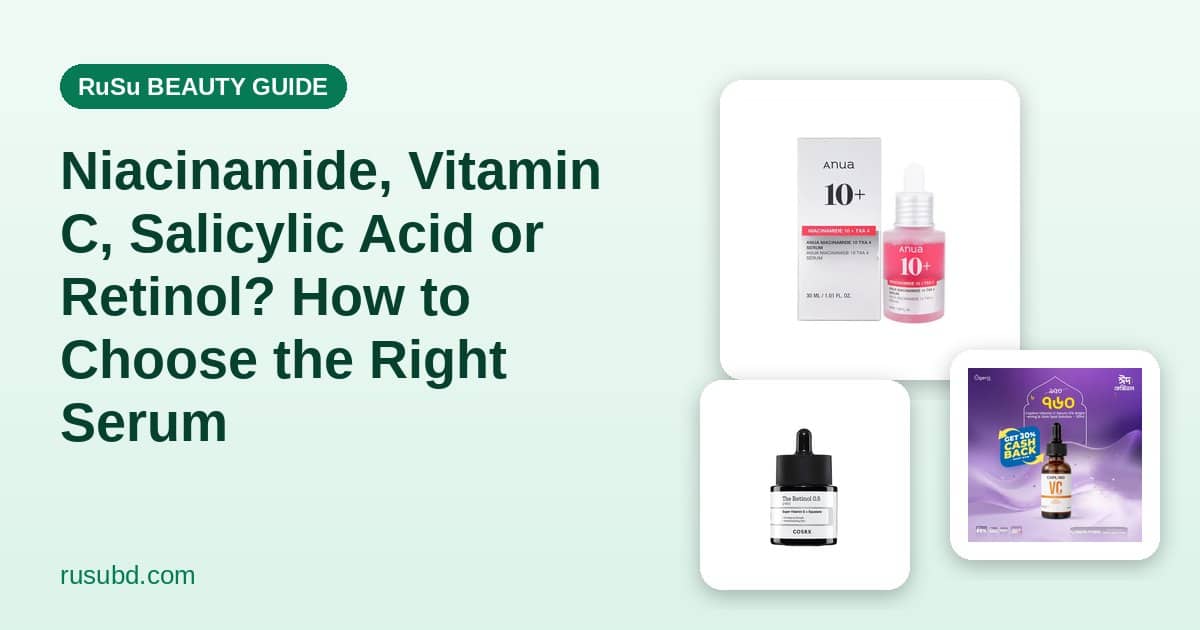
Try: Anua Niacinamide 10% + TXA 4% Serum or Cos De BAHA Niacinamide 10% Serum.
Vitamin C
What it does: an antioxidant that helps protect skin from damage caused by UV and pollution, brightens dullness and fades dark spots over time.
Who it suits: anyone concerned with dark spots, uneven tone or sun damage. Very sensitive skin may prefer gentler vitamin C derivatives.
How to use: in the morning, under sunscreen, where its antioxidant effect is most useful. Pure vitamin C (L-ascorbic acid) is effective but can oxidise — if your serum turns dark orange or brown, it has lost strength. Store it closed, away from heat and light.
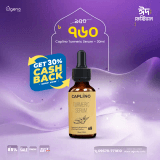
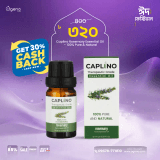
Try: Caplino Vitamin C Serum 12% or Bioaqua Vitamin C Serum.
Salicylic Acid (BHA)
What it does: an oil-soluble exfoliant that gets inside pores to loosen the mix of oil and dead skin that forms blackheads and pimples.
Who it suits: oily, acne-prone skin and anyone with blackheads. It can be drying for dry or sensitive skin.
How to use: over-the-counter leave-on products typically contain 0.5–2%. A salicylic acid cleanser is an easy way to start because it is rinsed off — for example COSRX Salicylic Acid Daily Gentle Cleanser. Start every other day and increase if your skin tolerates it. For more on breakouts, read our Acne 101 guide.
Retinol (Vitamin A)
What it does: speeds up skin cell turnover, which smooths texture, helps prevent clogged pores and softens fine lines and acne marks over months.
Who it suits: adults with texture, early signs of ageing or persistent acne marks. Not suitable during pregnancy or breastfeeding.
How to use: at night only, starting with a low strength (around 0.1–0.5%) two or three times a week, then building up. Some dryness and flaking in the first few weeks is common; apply moisturiser afterwards and always use sunscreen the next day. A gentle starting point is COSRX The Retinol 0.5 Oil.
What About Hyaluronic Acid?
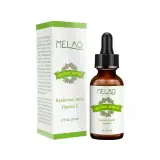
Hyaluronic acid is not an exfoliant or a treatment — it is a humectant that attracts water. It suits all skin types and pairs well with everything above. Apply it to slightly damp skin and follow with moisturiser, especially in dry weather. Try Bioaqua Hyaluronic Acid Serum.
Can You Combine Them?
- Niacinamide + vitamin C: fine to use together for most people. If you notice flushing, use them at different times of day.
- Niacinamide + retinol: a good pairing — niacinamide can make retinol easier to tolerate.
- Salicylic acid + retinol: both are strong. Use them on different nights rather than together, especially when starting.
- Vitamin C (morning) + retinol (night): a classic, effective routine.
Five Rules for Using Actives Safely
- Introduce one new product at a time and wait two weeks before adding another.
- Patch test on the side of your neck or jaw for a few days first.
- Use sunscreen every morning — vitamin C, retinol and exfoliating acids all work best (and safely) with sun protection.
- Be patient: most actives take 6–12 weeks to show visible results.
- Stop if your skin burns, swells or develops a rash, and see a doctor if it doesn't settle.
Shop Serums at RuSu
Explore our full range of face serums, including brands such as Cos De BAHA, Anua and Caplino, at RuSu.
Frequently Asked Questions
Which serum is best for beginners?
Niacinamide is usually the easiest to start with because it is gentle and suits most skin types. Add others later, one at a time.
Can I use vitamin C at night?
You can, but it is most useful in the morning under sunscreen, where its antioxidant protection works against daytime UV and pollution.
How many serums should I use at once?
One or two is plenty. Layering many actives increases the chance of irritation without improving results.