













Why Lips Need Special Care
Our lips are unique — they have no sweat glands, no sebaceous glands producing natural oils, and are covered by a much thinner layer of skin than the rest of our face (only 3-5 cell layers compared to 16 layers elsewhere). This makes lips inherently more vulnerable to dryness, cracking, discoloration, and environmental damage. Without daily care and protection, lips quickly become dry, flaky, and uncomfortable — a common complaint in Bangladesh where sun exposure, heat, air conditioning, and seasonal changes all take a toll.
Lip care encompasses much more than simply applying a lip balm. A complete lip care routine addresses exfoliation, deep nourishment, targeted treatment of specific concerns (like pigmentation or loss of volume), and consistent protection. This guide walks through every aspect of building an effective lip care routine. Consider RuSu for your routine.
The Lip Care Routine: Step by Step
Step 1: Exfoliation (Lip Scrub)
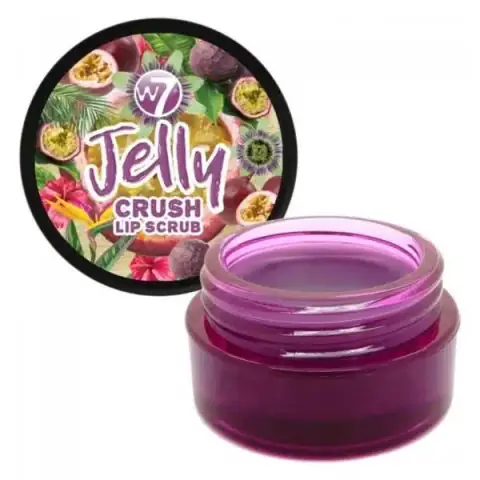
Exfoliation removes the dead skin cells that make lips look dull, flaky, and rough. Lip scrubs are typically made with gentle physical exfoliants like sugar crystals, brown sugar, or oat particles combined with nourishing oils and sometimes honey. Regular exfoliation (2-3 times per week) reveals fresh, smooth skin underneath, improves the texture of lips dramatically, and allows subsequent lip care products to absorb more effectively. Trending now: Eye Primer.
There are also chemical lip exfoliants containing gentle AHAs like lactic acid or malic acid. These dissolve dead skin cells without any rubbing, making them suitable for very sensitive lips that find physical scrubs too abrasive. Chemical exfoliants tend to be gentler and more precise, but either type works well when used consistently. Browse Covid 19 for more options.
DIY lip scrub recipe: Mix 1 tsp sugar + 1 tsp honey + a few drops of coconut oil. Gently massage on lips for 30-60 seconds and rinse. Simple, effective, and completely edible-safe. Explore Spices on our store.
Step 2: Hydration (Lip Mask / Overnight Treatment)
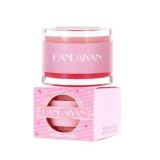
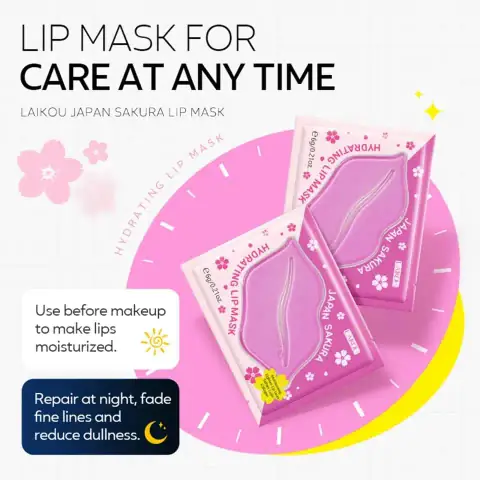
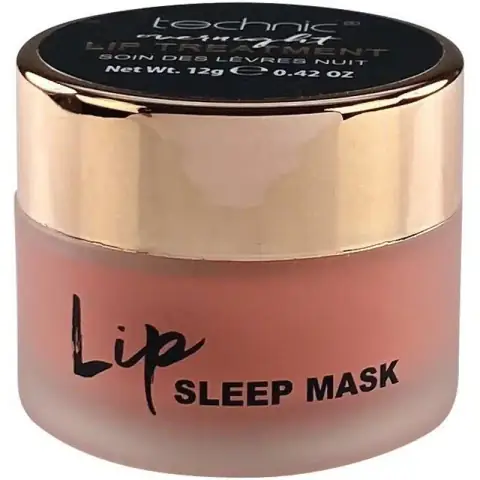
Lip masks are intensive hydration treatments designed to be applied for 15-20 minutes or left overnight. They contain concentrated doses of humectants (to attract water into the lip skin), emollients (to smooth and soften), and occlusives (to seal moisture in). Popular ingredients include hyaluronic acid, aloe vera, shea butter, ceramides, and honey extract. Discover Underarm for quality choices.
Sleeping with a lip mask on is one of the most effective ways to wake up to dramatically softer, more supple lips. The hours of contact time allow ingredients to fully penetrate and work — something that isn't possible with a regular lip balm that quickly wears off during the day. Overnight lip masks are especially helpful in the dry winter months and for those who breathe through their mouth while sleeping (which dramatically dries lips overnight).
Step 3: Daily Nourishment (Lip Balm)
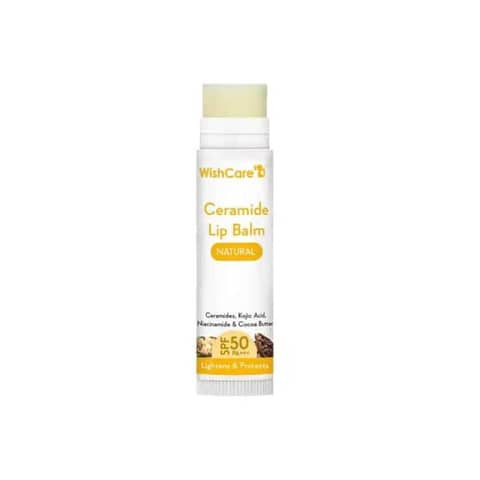
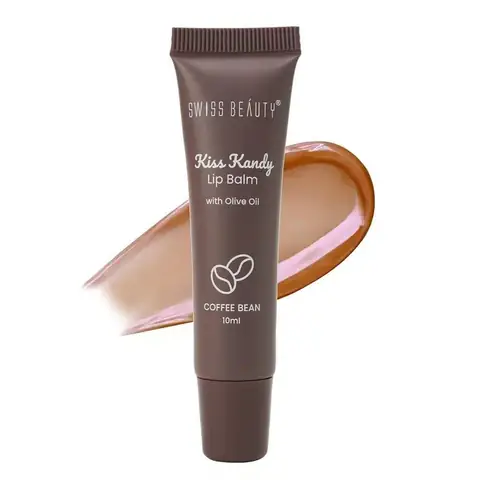
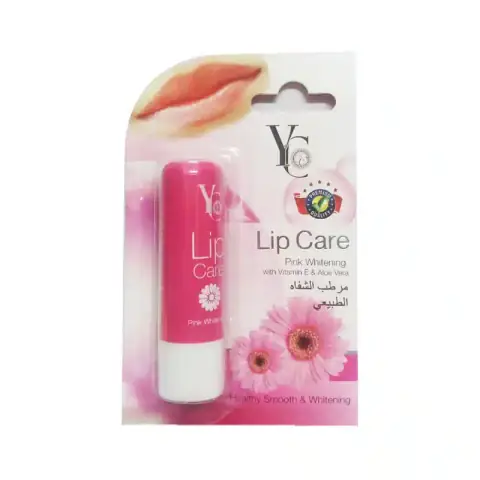
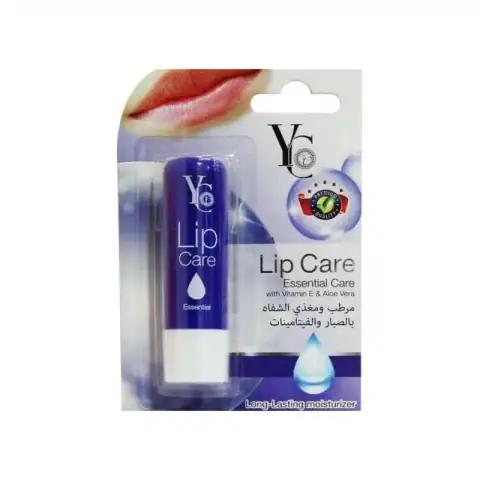
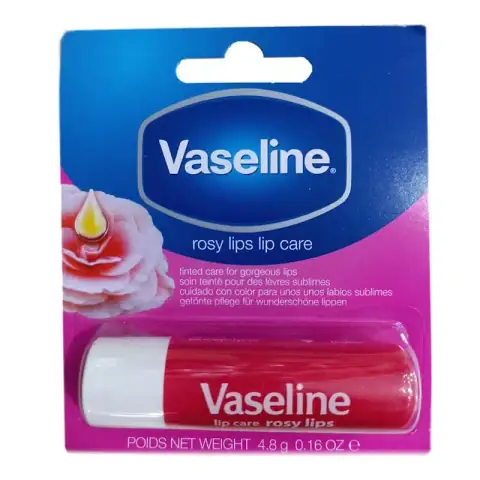
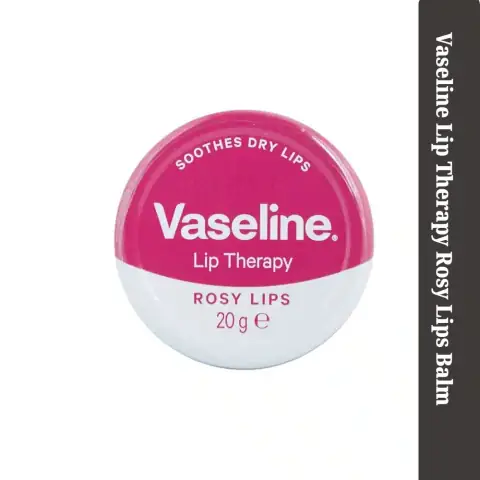
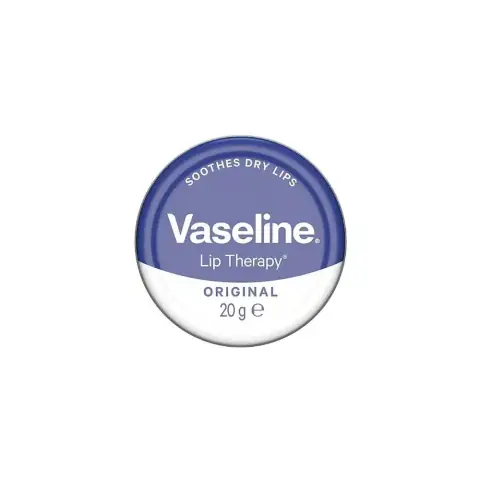
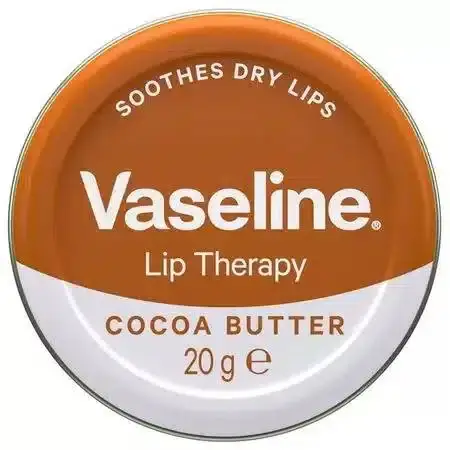
A quality lip balm applied throughout the day provides ongoing moisture protection and prevents the dryness that accumulates from sun exposure, air conditioning, drinking, eating, and natural trans-epidermal water loss through the thin lip skin. Look for lip balms containing beeswax or carnauba wax (as occlusives), shea butter or cocoa butter (emollients), and vitamin E or aloe (antioxidants and soothing agents). Shoppers also recommend Eye Shadow.
Avoid lip balms with synthetic fragrances and menthol that cool the lips but can cause irritation and a dependency effect — where your lips feel they need constant reapplication. Fragrance-free or natural formulas are better for long-term lip health. Check out Cream for great picks.
Step 4: SPF Protection
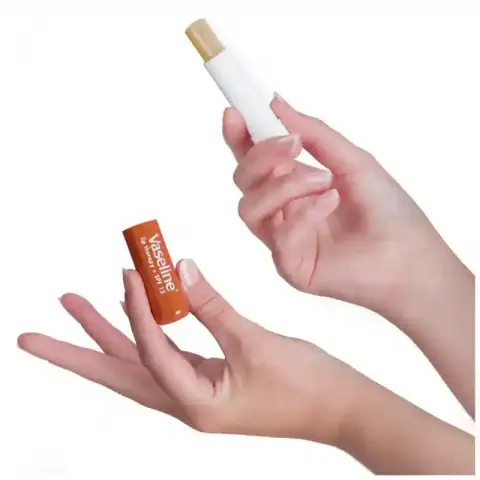
Lips are often neglected when it comes to sun protection. Yet they are highly exposed to UV radiation, which causes lip pigmentation (darkening), premature aging of the delicate lip skin, and in extreme cases, actinic cheilitis — a pre-cancerous condition. Use a lip balm with SPF 15 or higher during the day, especially when spending extended time outdoors. In Bangladesh's intense sun exposure, this is a critical but widely overlooked step. See our Tea collection.
Step 5: Targeted Treatment (Lip Serum)
Lip serums are concentrated treatment products addressing specific concerns: lip pigmentation/darkening, fine lip lines, loss of volume, or general aging of the lip area. They typically contain: Popular with buyers: Mask.
- Vitamin C: Brightens and fades lip pigmentation
- Retinol (lip-grade): Stimulates collagen, reduces vertical lip lines
- Peptides: Plumps and firms by stimulating collagen production
- Niacinamide: Reduces lip hyperpigmentation evenly
- Hyaluronic acid: Plumps and hydrates for fuller-looking lips
Common Lip Concerns and Their Solutions
Chronically Chapped Lips
Persistent chapping despite regular balm use often indicates that lip licking is worsening the condition (saliva evaporates and takes moisture with it), that your lip balm contains irritating ingredients causing contact dermatitis, that you're severely dehydrated, or that you have a nutritional deficiency (B vitamins, iron). Address the root cause: drink adequate water, switch to a fragrance-free balm, and if the problem persists, consult a dermatologist. Find more at Eyebrows.
Dark or Pigmented Lips
Lip pigmentation — darker color compared to surrounding facial skin — is extremely common, especially among South Asian and Bangladeshi people. Causes include sun exposure, smoking, caffeine, low-quality lipsticks, hormonal changes, and genetics. Treatment requires consistency: use vitamin C or niacinamide lip serum, apply SPF lip balm daily, exfoliate weekly to speed cell turnover, and eliminate causes where possible (sun protection, avoiding harsh products). Worth exploring: Digital.
Thin or Loss of Volume
Natural aging reduces collagen and fat in the lip area, making lips appear thinner and lines more pronounced. Hyaluronic acid and peptide-rich lip serums and masks can provide temporary plumping. Lip plumping glosses containing cinnamon, ginger, or capsicum create a temporary blood-flow rush that appears to enlarge lips for a few hours. More significant volume restoration requires professional treatments like hyaluronic acid fillers.
Vertical Lip Lines
Fine lines running vertically above and below the lips develop from repeated lip movements (talking, drinking) and aging-related collagen loss. A retinol lip serum used 2-3 nights per week, combined with a plumping peptide cream, can visibly reduce these lines over 2-3 months of consistent use. Customers love Acne Care in Bangladesh.
Lip Care for Different Seasons in Bangladesh
Bangladesh's distinct seasonal shifts require adapting your lip care: A top choice: Gift Card.
- Summer (April-September): Lightweight, gel-based lip balms or those with SPF; lip masks 2x per week to counter dehydration from heat; avoid heavy, waxy formulas that feel uncomfortable in heat
- Monsoon (June-September): Humidity helps somewhat, but maintain SPF; be mindful of dehydration from air conditioning in offices
- Winter (November-February): Switch to richer, thicker overnight lip masks; apply balm more frequently; this is when more intensive treatment products are most comfortable to use
Ingredients to Look For in Lip Care Products
- Hyaluronic acid: Deep hydration and plumping
- Shea butter / cocoa butter: Rich emollient nourishment
- Vitamin E: Antioxidant protection and healing
- Ceramides: Barrier repair and protection
- Beeswax / carnauba wax: Protective occlusive seal
- SPF filters: Sun protection for daily use
- Vitamin C / niacinamide: Brightening and depigmentation
Shop Lip Care at RuSu
Discover our curated lip care collection at RuSu — featuring lip scrubs, overnight lip masks, nourishing lip serums, plumping treatments, and SPF lip balms from the best brands available in Bangladesh. Whether you're dealing with chapped, pigmented, or aging lips, we have targeted solutions for every concern and budget, with fast delivery across Dhaka and Bangladesh. Don't miss Eyelashes while shopping.
The Science Behind Lip Aging
Lips age differently from the rest of the face, and understanding this helps you target prevention and treatment more effectively. Lips naturally lose volume and definition with age as collagen, fat, and hyaluronic acid diminish. The "vermillion border" — the crisp line defining where lip meets surrounding skin — becomes less defined. Vertical lip lines (sometimes called "lip code" or "smoker's lines") develop from decades of puckering, drinking through straws, and repetitive movement. Sun damage accumulates on the lip surface (particularly the lower lip, which faces upward toward the sun) causing pigmentation and premature aging. In Bangladeshi sun exposure, this process is accelerated. Proactive lip care starting in your 20s — daily SPF lip balm, regular moisturization, and gentle exfoliation — significantly slows visible lip aging. Highly rated: Electronics.
Lip Serums vs. Lip Masks: When to Use Each
Understanding the distinction helps you optimize your lip care routine. Lip serums are lightweight, concentrated actives designed for absorption — vitamin C for brightening, peptides for plumping and collagen stimulation, hyaluronic acid for deep hydration. They're best applied first (on clean, slightly damp lips) before heavier products, allowing active ingredients to penetrate effectively. Lip masks are richer, more occlusive treatments designed for extended contact — they seal in the serum actives, provide intensive moisture, and are most effective when worn for 15-20 minutes or overnight. The ideal lip treatment routine: lip serum first (the treatment), followed by lip mask (the seal). This layering approach combines the best of both product types for maximum results. Consider Eye Care for your routine.
Protecting Lips from Air Conditioning
Air conditioning is one of the most underappreciated causes of lip dryness. As Bangladesh's office culture increasingly relies on heavy air conditioning to combat heat, the extremely dry interior air dramatically increases trans-epidermal water loss from lips — accelerating dehydration and chapping. Combat this by: keeping a lip balm at your desk for frequent reapplication; choosing richer formulas with occlusive ingredients (beeswax, shea butter) for air-conditioned indoor environments; drinking more water than you think you need when in AC environments; and using a humidifier in your workspace if possible. This simple awareness of AC-induced lip dryness can dramatically improve the condition of chronically chapped lips for many people who work in air-conditioned offices.