





































































The Heart of Bangladeshi Cooking: Spices
Bangladesh has one of the world's richest spice traditions. For centuries, the fertile deltaic plains of the Bengal region have supported the growth, trade, and culinary use of an extraordinary variety of spices. From the warming intensity of mustard to the golden glow of turmeric, from the fragrant complexity of garam masala to the sharp heat of dried red chilies — spices are not just flavoring agents in Bangladeshi cooking, they are the very soul of the cuisine.
Spices serve triple duty in Bangladeshi food culture: they provide flavor, color, and aroma to food; they act as natural preservatives in hot climates; and they contribute significantly to health through their bioactive compounds, antioxidants, anti-inflammatory agents, and digestive aids. Understanding the spices you cook with deepens your cooking practice and connects you to thousands of years of culinary tradition. Popular with buyers: RuSu.
This guide explores the essential spices used in Bangladeshi cooking, their flavor profiles, health benefits, and practical cooking tips for getting the most from your spice collection. Find more at Blush.
The Essential Bangladeshi Spice Pantry
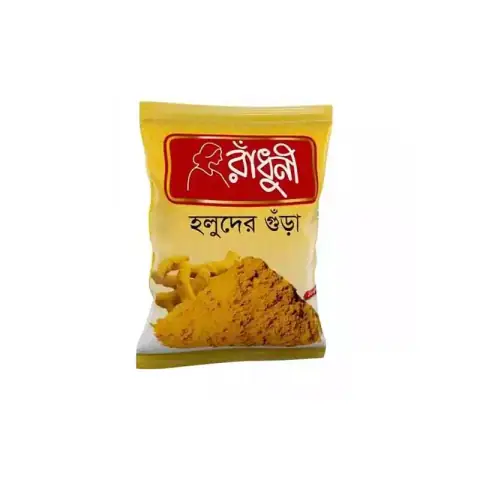
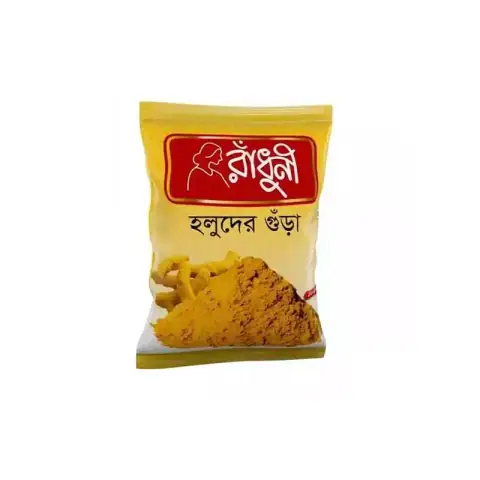
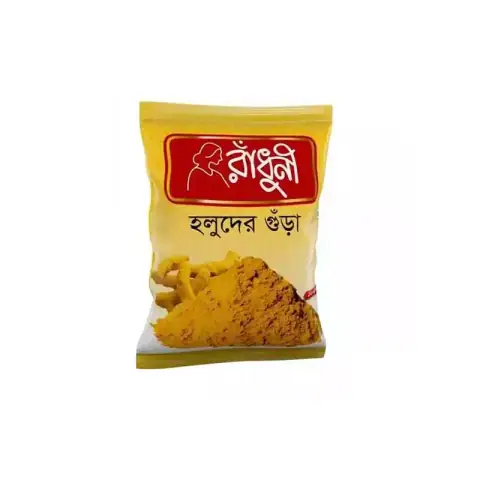
Turmeric (Halud)
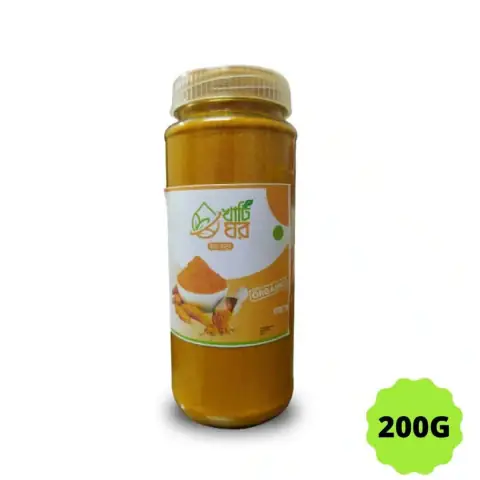
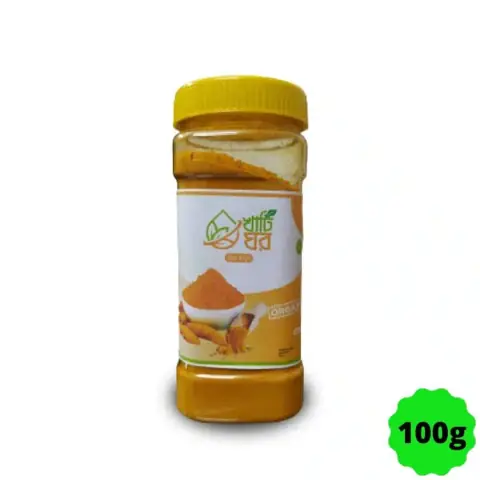
Turmeric is the most universally present spice in Bangladeshi cooking — virtually every savory dish begins with turmeric. Its characteristic golden-yellow color comes from curcumin, its primary bioactive compound. Turmeric adds a warm, slightly bitter, earthy flavor and transforms the color of curries, rice dishes, fish preparations, and vegetable stir-fries. Beyond cooking, turmeric has an extraordinary health profile: curcumin is one of the most researched anti-inflammatory and antioxidant compounds in nature, with studies indicating benefits for joint health, digestive issues, cardiovascular health, and even cognitive function. Worth exploring: Personal Care.
For cooking: add turmeric in the early stages of cooking with fat (oil or ghee) to activate its fat-soluble compounds and prevent the raw, harsh taste of uncooked turmeric. Black pepper significantly enhances curcumin absorption (piperine increases absorption by up to 2000%), so combining turmeric and black pepper is not just traditional — it's scientifically sound. Customers love Face Cream in Bangladesh.
Cumin (Jeera)
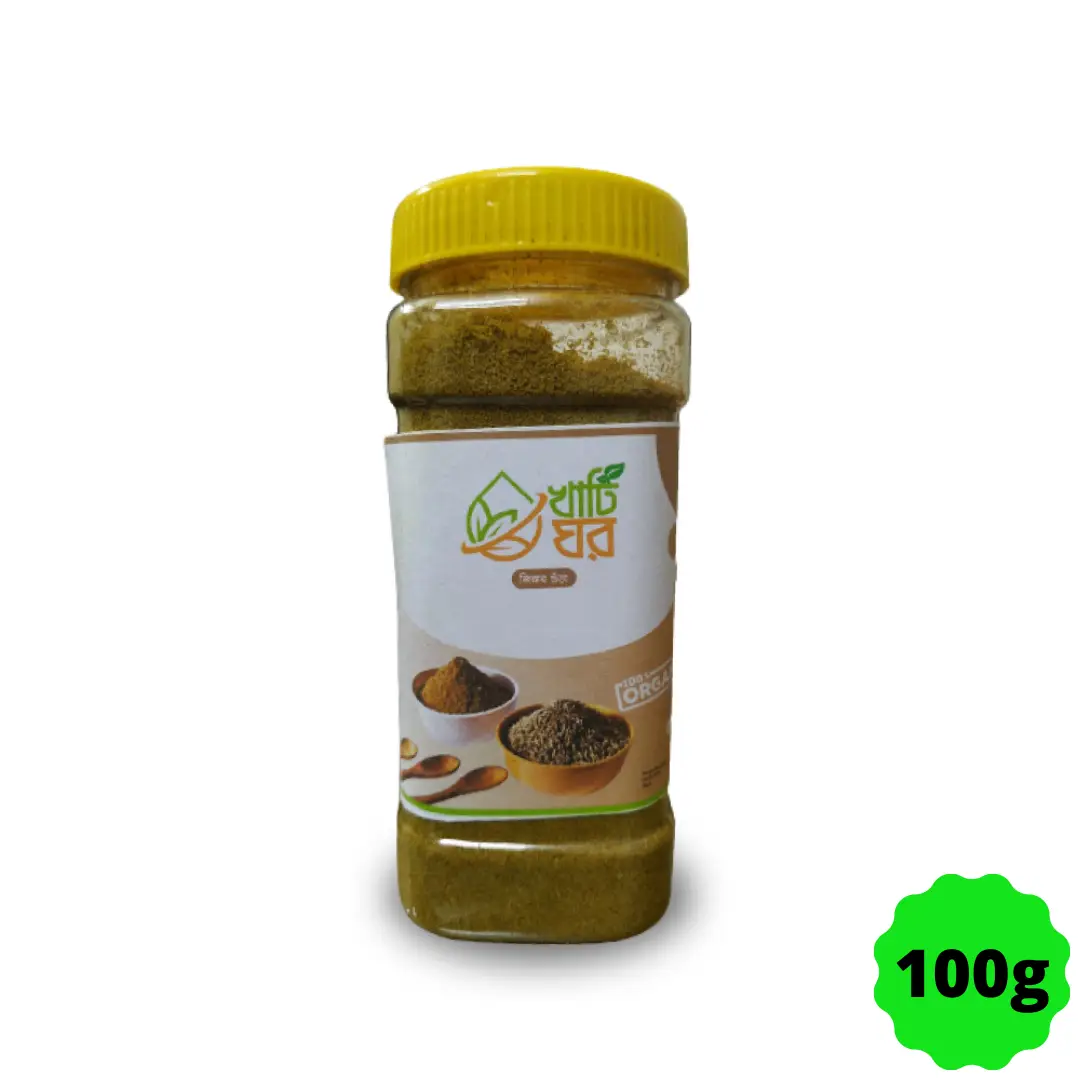
Cumin is central to Bangladeshi biryanis, curries, and spice blends. Its warm, slightly smoky, earthy flavor is used both as whole seeds (toasted in hot oil at the beginning of cooking — a technique called "bhuna" or tempering) and as ground cumin in spice mixes. Whole cumin seeds bloom in hot oil, releasing their essential oils and creating a fragrant base for the dish. Cumin is rich in iron (important for anemia prevention), has digestive properties that reduce bloating and improve gut function, and contains powerful antioxidants.
Coriander (Dhania)
Coriander — both seeds and leaves — is one of the most versatile spices in Bangladeshi cooking. Ground coriander has a mild, citrusy, slightly sweet flavor that provides body and aroma to curries, gravies, and marinades. It's used in generous quantities in many Bangladeshi meat dishes. Fresh coriander leaves (cilantro) are used as garnish and add fresh, herbaceous notes. Coriander seeds are rich in antioxidants and have been traditionally used for digestive health and reducing blood sugar levels. A top choice: Hair Remover.
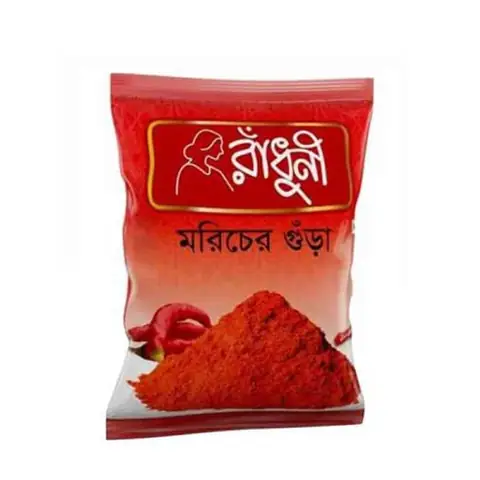
Red Chili (Shukno Lanka)
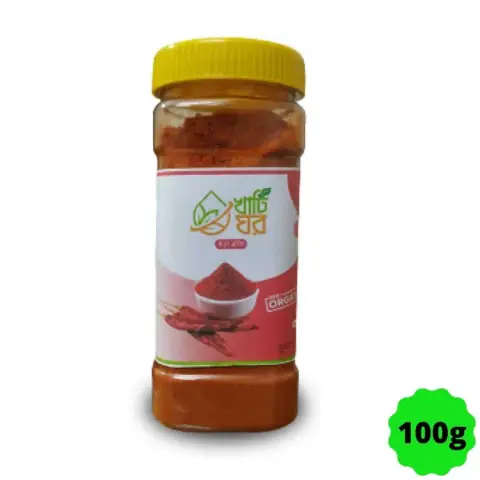
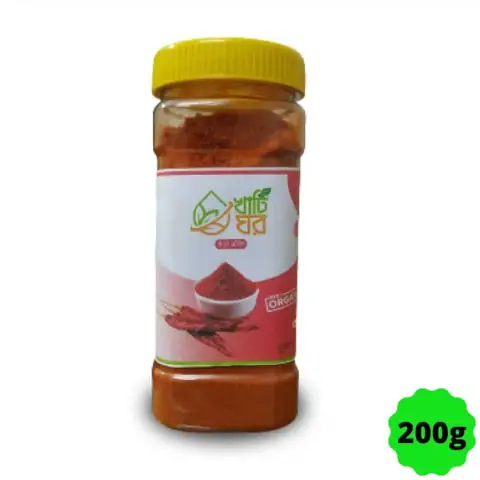
Dried red chilies — both whole and ground — provide the characteristic heat of Bangladeshi cooking. The heat level varies by variety: Kashmiri chili (low heat, deep red color, used for color more than heat), regular red chili (medium heat), and bird's eye chili (fiery). Chili's active compound capsaicin has documented health benefits: it's a powerful anti-inflammatory, stimulates metabolism (thermogenesis), may reduce appetite, and has been studied for pain management. Red chili is also one of the richest sources of vitamin C when fresh. Don't miss Bronzer while shopping.
Black Mustard Seeds (Rai)
Mustard seeds are perhaps the most distinctively Bengali and Bangladeshi spice. Used by tempering in hot oil (where they pop and sputter dramatically), they add a nutty, slightly bitter, intensely aromatic flavor to dal (lentil dishes), vegetable preparations, and fish curries. Mustard oil — pressed from mustard seeds — is the traditional cooking oil of Bangladesh and Bengal, imparting a pungent, distinctive flavor characteristic of authentic Bangladeshi cuisine. Mustard contains glucosinolates — compounds with anti-cancer properties under research. Highly rated: Razor.
Cardamom (Elach)
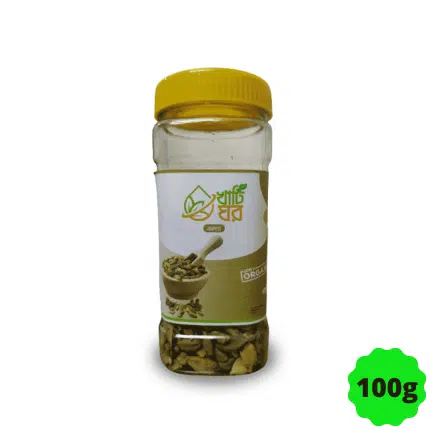
Green cardamom is the queen of Bangladeshi aromatic spices. Used in biryanis, pullao rice, sweet dishes (payesh), and hot beverages like chai, cardamom contributes a complex, floral, slightly eucalyptus-tinged sweetness. It's one of the most expensive spices in the world by weight, but a little goes a long way. Cardamom has traditional uses as a digestive aid and breath freshener, and contains cineole (an expectorant) and antioxidants. Black cardamom has a smokier, more camphor-like flavor used in rice and meat dishes. Consider Serum for your routine.
Cinnamon (Daruchini)
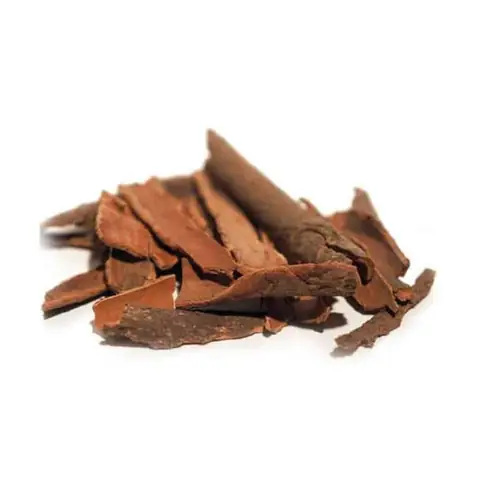
Cinnamon adds warmth, sweetness, and complexity to Bangladeshi curries, rice dishes, and desserts. Available as sticks (bark) for whole-spice tempering or ground for spice blends, cinnamon is a key component of garam masala and biryani spice blends. Ceylon cinnamon (true cinnamon, with lower coumarin content) is nutritionally preferred over the more commonly available Cassia cinnamon. Cinnamon has extensive research supporting its ability to help regulate blood sugar, particularly after meals.
Cloves (Lobongo)
Intensely aromatic, cloves add depth and a warming quality to Bangladeshi meat dishes and rice. Whole cloves are used in tempering and slow-cooked dishes, while ground cloves feature in garam masala blends. Cloves have the highest antioxidant content of almost any spice — ORAC values exceptionally high. They contain eugenol, a compound with powerful antibacterial and anti-inflammatory properties. Eugenol is also used clinically in dentistry for its pain-relieving properties. Trending now: Hair Serum.
Bay Leaves (Tejpata)
The distinct, herbal, slightly floral aroma of bay leaves is foundational in Bangladeshi cooking. Used whole in rice dishes, curries, and meat preparations, bay leaves release their essential oils slowly during cooking. Bangladeshi bay leaves (Indian bay leaf — Cinnamomum tamala) differ from Mediterranean bay laurel — they have a stronger cinnamon-clove flavor profile distinct from their European counterpart. Remove before serving as the leaves remain tough even after extended cooking. Browse Concealer for more options.
Garam Masala
Garam masala is a spice blend rather than a single spice — its exact composition varies by region and family tradition. The name means "warm spice mixture" and typically includes cinnamon, cardamom, cloves, black pepper, cumin, and sometimes coriander, mace, and nutmeg. It's added toward the end of cooking to preserve its volatile aromatics. Quality garam masala — freshly ground from whole spices — is dramatically superior to pre-packaged versions that lose their potency quickly. Making your own from whole spices is a worthwhile kitchen practice. Explore Skin Care on our store.
Whole Spices vs. Ground Spices: When to Use Which
Whole spices retain their volatile oils much longer than ground spices (whole black pepper stays potent for 5 years; ground loses most potency in 3-6 months). Use whole spices for tempering (blooming in hot oil at the start of cooking), slow-cooked dishes, and for freshly grinding in a spice grinder just before use. Ground spices are more convenient and disperse better in sauces and wet dishes. Ideally, buy whole spices and grind them in small batches for optimal flavor. Discover Anti Allergic for quality choices.
How to Store Spices Correctly
Spice quality deteriorates from heat, light, moisture, and air exposure. Store spices in: Shoppers also recommend Hair Treatment.
- Airtight containers — glass jars are ideal, avoid low-quality plastic that doesn't seal properly
- A cool, dark location — away from the stove, oven, and direct sunlight
- Away from steam — humidity is the enemy of dry spices
Ground spices: best used within 6-12 months. Whole spices: 2-4 years. Buy in quantities you'll use within these timeframes for maximum flavor. Fresh whole spices should have a strong, distinct aroma when broken — loss of aroma indicates aging or poor storage.
Health Benefits of Spices: A Summary
The bioactive compounds in spices provide genuine, scientifically documented health benefits beyond their culinary roles: Check out Contour for great picks.
- Anti-inflammatory: Turmeric, ginger, cloves, cinnamon
- Antioxidant: Cloves, turmeric, oregano (one of the highest), cinnamon
- Blood sugar regulation: Cinnamon, fenugreek, turmeric
- Digestive health: Cumin, coriander, fennel, ginger, cardamom
- Antimicrobial: Garlic, ginger, cloves, cinnamon
- Cardiovascular: Garlic, turmeric, black pepper
Shop Spices at RuSu
Browse our premium spice collection at RuSu — whole and ground spices, aromatic blends, and specialty spices sourced for quality and freshness. Whether you're stocking your everyday kitchen pantry or seeking specialty spices for traditional Bangladeshi recipes, we have a wide selection available for delivery across Dhaka and Bangladesh. See our Blackhead Mask collection.
Spice Blends: Understanding Panch Phoron and Bangladeshi Masalas
Bangladesh and Bengal have a distinctive spice blend tradition. Panch phoron (five spice) is the most characteristically Bangladeshi blend, consisting of equal parts cumin seeds, fennel seeds, fenugreek seeds, black mustard seeds, and nigella (kalonji/black cumin). Unlike garam masala which is added for aroma toward the end of cooking, panch phoron is tempered in oil at the start — the seeds crackle and release their oils, creating a complex, uniquely Bengali aromatic base for vegetable dishes, fish curries, and dal. The balance of the five spices creates layers of flavor: cumin's earthiness, fennel's sweetness, fenugreek's slight bitterness, mustard's pungency, and nigella's onion-like quality combine in a harmony that defines Bangladeshi cuisine. Popular with buyers: Blackhead Remover.
Spices as Medicine: Traditional and Modern Perspectives
In Bangladesh's traditional Unani and Ayurvedic medicine systems, spices have always been understood as therapeutic agents, not merely flavorings. Modern pharmacological research has begun validating many of these traditional uses with clinical evidence. Black seed (kalonji/nigella sativa) — used in Bangladeshi cooking and traditional medicine — has demonstrated antibacterial, anti-inflammatory, and immune-modulating properties in multiple studies. Fenugreek seeds are clinically supported for blood sugar management in type 2 diabetes. Ginger has well-documented anti-nausea properties, more effective than some pharmaceutical anti-nausea medications for pregnancy nausea. Garlic's cholesterol-lowering and blood pressure effects have been studied extensively. The integration of medicinal spices into daily cooking is one of the most accessible and pleasurable forms of preventive health practice. Find more at Baby Oral Care.
Buying and Sourcing Quality Spices in Bangladesh
Spice quality varies enormously — adulteration (adding fillers or lower-quality spices to premium ones) is a significant concern in open markets. Brick-red "chili powder" has been found to contain toxic chemical dyes in some market samples. Purchasing spices from reputable sources is important for both quality and safety. Whole spices are harder to adulterate than ground powders — buying whole and grinding at home provides the highest quality guarantee. When purchasing ground spices, choose sealed, branded products from established manufacturers with clear manufacturing dates and ingredient transparency. RuSu offers a curated selection of spices from verified, quality-conscious brands available for delivery across Bangladesh.