













The Timeless Role of Soap in Skincare
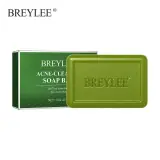
Soap is one of humanity's oldest and most essential hygiene products, with records of soap-making dating back over 5,000 years to ancient Babylon. But today's beauty soaps have evolved far beyond simple cleansing bars — they are sophisticated skincare products formulated with specific ingredients to address targeted concerns: brightening, moisturizing, acne control, anti-aging, and more.
In Bangladesh, soap remains the most widely used personal care product for daily cleansing. From traditional herbal bars passed down through generations to imported K-beauty formulas, the variety of soaps available today is extraordinary. Understanding the types, ingredients, and intended benefits of different soaps helps you make informed choices that benefit your skin rather than harm it. Find more at RuSu.
Types of Beauty Soaps
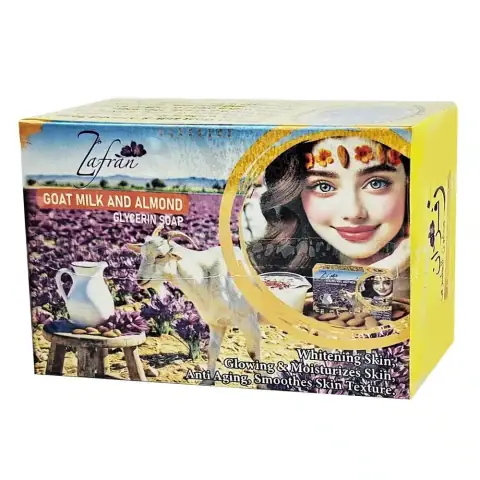
Glycerin Soap
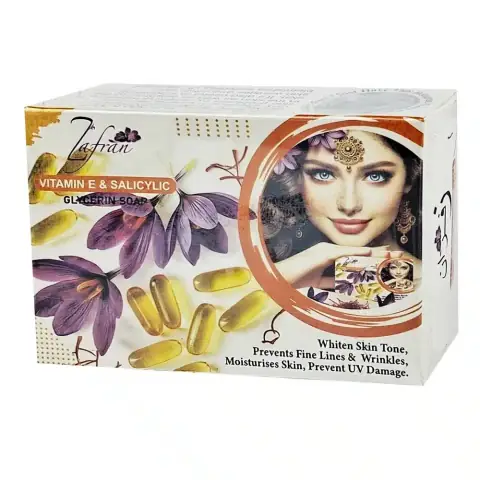
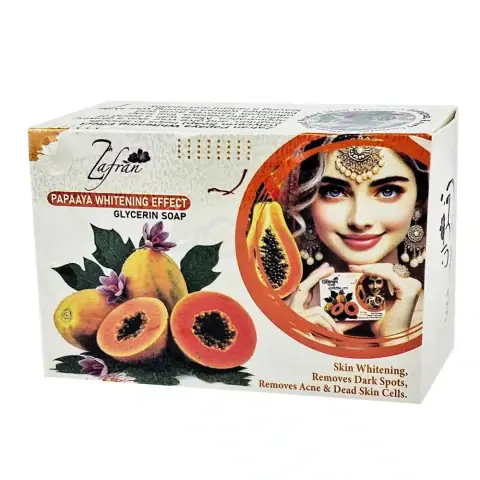
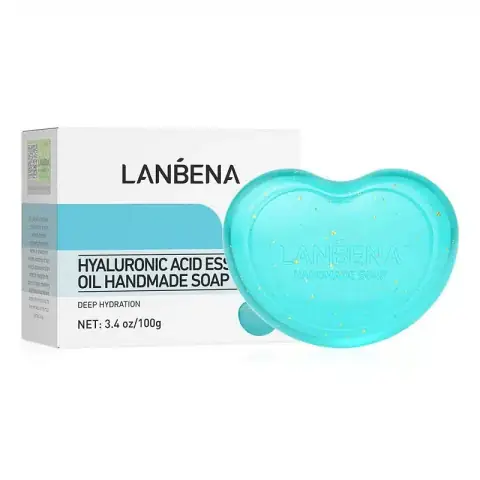
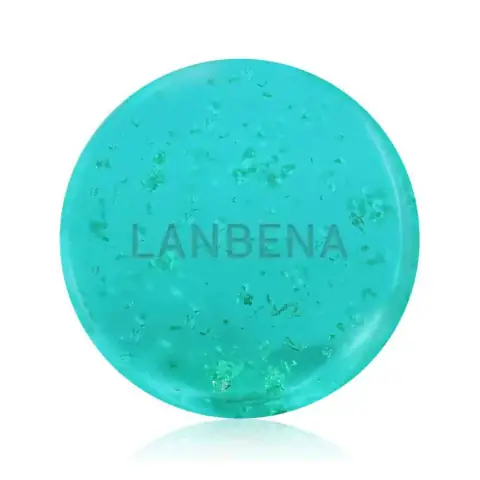
Glycerin soaps are the gold standard for moisture-retaining cleansing. Glycerin is a powerful humectant — it draws moisture from the air into the skin, keeping it soft and hydrated even after washing. Unlike traditional soaps that strip the skin, glycerin soaps leave a protective, moisturizing layer behind. They're transparent or translucent in appearance and are safe for all skin types, including sensitive and baby skin. Glycerin soaps often have a neutral or mild scent and are free of harsh additives. Worth exploring: Loose Powder.
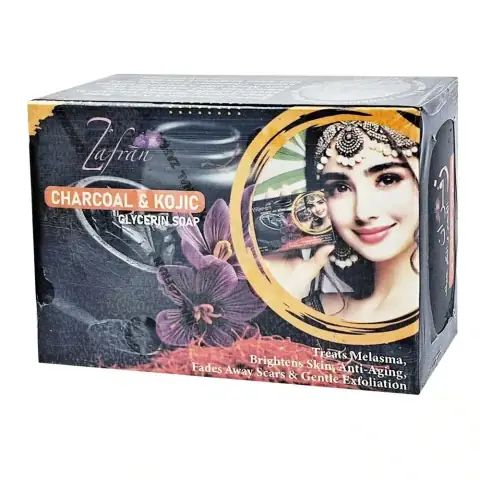
Kojic Acid Soap
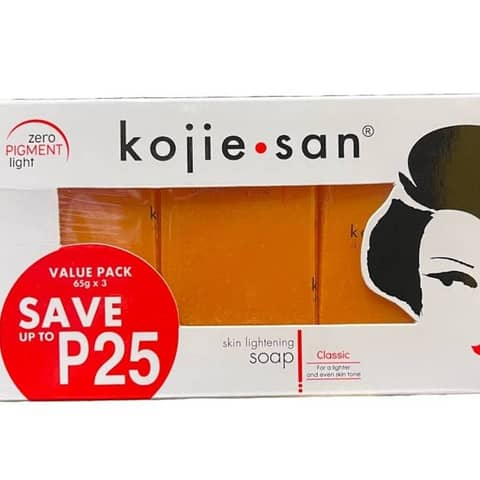
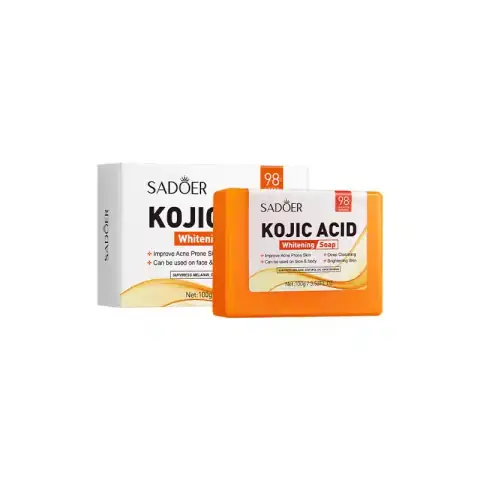
Kojic acid is derived from certain fungi and fermented foods, and it's one of the most effective natural skin-brightening agents available. Kojic acid soaps are formulated to gradually reduce hyperpigmentation, dark spots, post-acne marks, and uneven skin tone by inhibiting melanin production. Regular use — typically 4–8 weeks — produces visible brightening effects. They're suitable for all skin types but should always be followed by SPF application during the day, as kojic acid can increase sun sensitivity. Customers love Facial Scrub in Bangladesh.
Vitamin C Soap
Vitamin C (ascorbic acid or its derivatives) is a potent antioxidant that brightens dull skin, fades dark spots, and stimulates collagen production. Vitamin C soaps provide these benefits in a cleansing format — the active ingredient works on the skin during the lather time before rinsing. While less potent than leave-on vitamin C serums, vitamin C soaps can noticeably improve skin radiance with consistent use. They pair perfectly with a vitamin C serum for amplified brightening results. A top choice: Sunscreen.
Charcoal Soap
Activated charcoal has a porous structure that acts like a magnet, attracting and binding to toxins, dirt, excess oil, and impurities. Charcoal soaps provide a deep, thorough cleanse and are particularly effective for oily, acne-prone, and blackhead-prone skin. They typically have a dramatic black color and may feel slightly drying, so those with dry or sensitive skin should use charcoal soaps sparingly — 2-3 times per week rather than daily. Follow with a good moisturizer. Don't miss Wipes while shopping.
Turmeric Soap
Turmeric (haldi) has been used in South Asian beauty rituals for centuries. Its active compound curcumin has potent anti-inflammatory, antibacterial, and antioxidant properties. Turmeric soaps help reduce pimples, calm irritated skin, even skin tone, and provide a natural glow. Traditional Bangladeshi and Indian beauty rituals often involve turmeric pastes, and turmeric soaps bring these benefits in a convenient, modern format. They may leave a slight yellow tint on fair skin, so rinsing thoroughly is important. Highly rated: WOMEN BAG.
Neem Soap
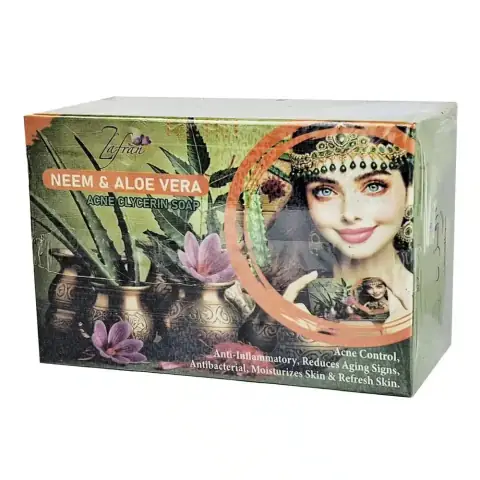
Neem is another powerhouse in traditional South Asian skincare. Neem oil and extract have powerful antibacterial, antifungal, and anti-inflammatory properties, making neem soaps excellent for acne-prone skin, body breakouts, fungal skin issues, and general skin health. Neem soaps have a distinctive, earthy scent that some find strong but others find grounding. They're particularly popular during Bangladesh's monsoon season when humidity can trigger fungal skin issues. Consider Makeup Remover for your routine.
Aloe Vera Soap
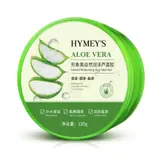
Aloe vera is one of nature's most soothing and healing ingredients. Aloe vera soaps are gentle, hydrating cleansers ideal for sensitive, irritated, or sunburned skin. The cooling properties of aloe make these soaps especially refreshing in Bangladesh's hot summer months. They help calm redness, reduce minor irritation, and leave skin feeling soft without any tightness. Aloe vera soaps are often recommended for teenagers with sensitive, acne-prone skin. Trending now: Foot Care.
Goat Milk Soap
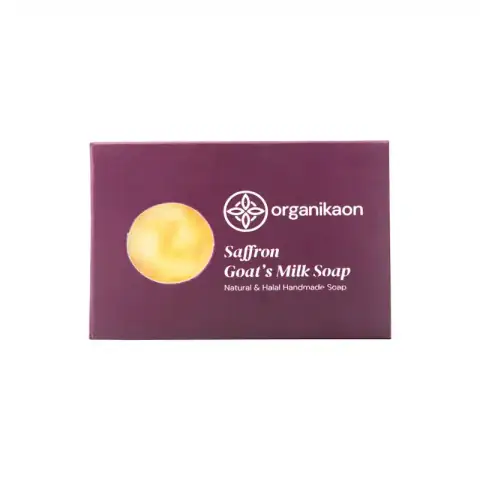
Goat milk is rich in lactic acid (an alpha-hydroxy acid), vitamins, and natural fats that gently exfoliate, nourish, and hydrate the skin. Goat milk soaps feel luxuriously creamy and conditioning, leaving skin exceptionally soft. The natural lactic acid provides mild exfoliation that improves skin texture and brightness over time. These soaps are particularly popular for dry, mature, and sensitive skin types, and are a popular ingredient in premium and artisan soap formulas. Browse Baby Powder & Lotion for more options.
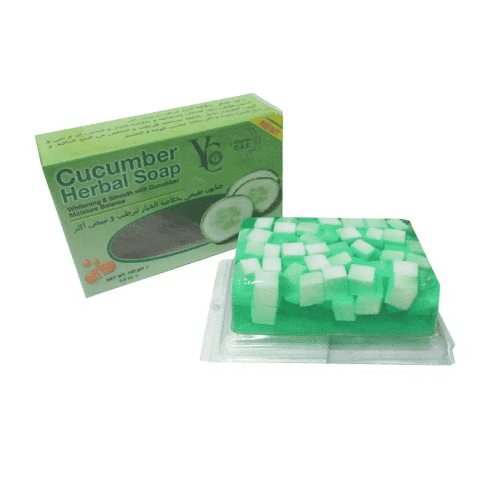
Herbal and Ayurvedic Soaps
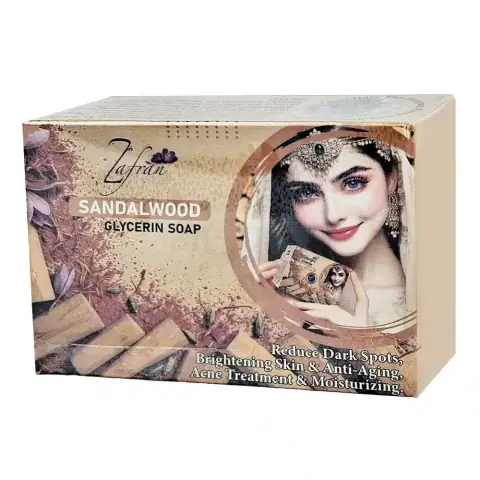
Blending traditional knowledge with modern formulation, herbal and Ayurvedic soaps incorporate natural plant extracts, essential oils, and botanical ingredients. Common herbs include sandalwood (brightening and anti-inflammatory), rose (soothing and aromatic), saffron (brightening), basil (antibacterial), and various other botanicals. These soaps appeal to consumers seeking natural, chemical-free alternatives and often contain fewer synthetic additives than mass-market options. Explore GLASS on our store.
Understanding Soap pH and Why It Matters
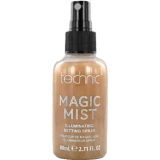
The skin's natural pH is slightly acidic, around 4.5–5.5. Traditional soap bars are typically alkaline with a pH of 9–11, which can disrupt the skin's acid mantle, strip natural oils, and trigger dryness, irritation, and even breakouts. Modern beauty soaps and "syndet bars" (synthetic detergent bars) are formulated with a pH closer to the skin's natural level (5–7), making them far less disruptive to the skin barrier. When shopping for beauty soaps, look for pH-balanced formulations, particularly if you have sensitive or dry skin. Discover Makeup Setting Spray for quality choices.
How to Use Beauty Soap for Maximum Benefit
- Wet your face or body thoroughly with lukewarm water — not hot, as hot water strips natural oils
- Lather the soap in your hands or on a cloth before applying to skin — avoid rubbing the bar directly on your face
- Gently massage the lather using circular motions for 30–60 seconds
- Rinse thoroughly — leaving soap residue causes irritation and clogged pores
- Pat dry (don't rub) with a clean towel
- Immediately apply moisturizer to lock in hydration
- If using a brightening soap (kojic acid, vitamin C, glutathione), always apply SPF before sun exposure
Soap Hygiene: Tips to Keep Your Soap Clean
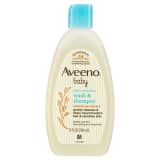
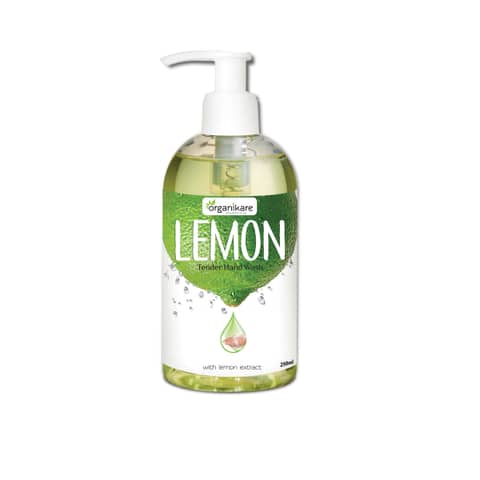
A wet soap bar sitting in a puddle of water is a breeding ground for bacteria. Keep your soap on a draining soap dish that allows water to drain away. Allow your soap bar to dry between uses. In Bangladesh's humid climate, this is especially important. Alternatively, consider using soap in a pump dispenser or switching to liquid cleansers if soap hygiene is a concern. Shoppers also recommend Lotion.
Choosing the Right Soap for Bangladeshi Skin Concerns
Given the combination of heat, humidity, pollution, and sun exposure in Bangladesh, the most common skin concerns are oiliness, acne, uneven tone, and dark spots from sun damage. For these concerns, the best soap choices are: Check out Soap & Bodywash for great picks.
- Oily/Acne skin: Charcoal, neem, or salicylic acid soaps
- Dark spots/Hyperpigmentation: Kojic acid or vitamin C soaps
- Dry/Sensitive skin: Glycerin, aloe vera, or goat milk soaps
- General brightening: Turmeric or vitamin C soaps
- Natural preference: Herbal or Ayurvedic soaps
Shop Beauty Soaps at RuSu
Browse our extensive collection of beauty soaps available for delivery across Bangladesh. From international brands to premium local formulations, we stock a wide range of options for every skin type and concern. All products are authentic, properly stored, and come with genuine product information and customer reviews to help you make the best choice for your skin. See our DRESS collection.
The History and Evolution of Beauty Soap in Bangladesh
Soap has been part of Bangladeshi personal hygiene for centuries, evolving from basic animal fat and ash preparations to today's sophisticated beauty formulas. The Bangladeshi soap market has grown dramatically over the past two decades, transitioning from a market dominated by a handful of domestic and multinational brands offering basic cleansing bars to a diverse landscape including imported specialty soaps, K-beauty formulas, herbal and Ayurvedic preparations, and premium artisan bars. This evolution reflects Bangladesh's growing middle class, greater awareness of skincare science, and increased access to international beauty products — all visible in the diverse, high-quality offerings available at platforms like RuSu. Popular with buyers: Pressed Powder.
Glycerin Soap vs. Commercial Soap: What's the Difference?
During the soap manufacturing process, glycerin naturally forms as a byproduct of the saponification reaction. In commercial soap production, this glycerin is typically extracted and sold separately (it's a valuable ingredient in cosmetics and foods). Commercial bar soaps, stripped of their natural glycerin, tend to be more drying and harsh on the skin. Glycerin soaps retain this natural glycerin or have additional glycerin added — creating a soap that cleans while simultaneously moisturizing. The transparent, slightly glassy appearance of glycerin soaps is characteristic of their formulation. For daily facial and body use, especially for those with dry or sensitive skin, glycerin-rich formulas are significantly gentler and more skin-friendly than stripped commercial bars. Find more at Mehndi.
Soap Alternatives for Face Cleansing
While many beauty soaps are gentle enough for facial use, dedicated liquid facial cleansers offer advantages for face-specific cleansing. Liquid cleansers allow more precise pH control and formulation customization for skin type. They're also more hygienic (no bar exposed to bathroom environment between uses) and easier to lather precisely on the face without over-applying. However, for those who prefer bars, a quality pH-balanced facial soap bar or syndet bar (synthetic detergent bar with balanced pH) can be an effective and environmentally friendly face cleansing choice. Look for bars labeled "facial bar," "syndet bar," or those with visible low-pH formulation information.