







Sunscreen in Bangladesh:
Sunscreen is a daily essential in our climate. If you want comfortable protection and a sensible sunscreen price in Bangladesh, this guide shows what to buy, how to use it, and where to start on RuSu.
Why you need sunscreen every day:
Sunlight has two harmful rays. UVB burns the surface; UVA goes deeper and speeds up wrinkles and dark spots. A broad-spectrum SPF blocks both. When you choose a bottle, think about comfort and reapplication as much as the sunscreen price in Bangladesh. A formula you enjoy wearing every day always gives more value.
Mineral vs chemical filters:
Mineral sunscreens use Zinc Oxide or Titanium Dioxide to reflect rays. They are gentle and suit sensitive or acne-prone skin. Tinted mineral options reduce white cast.
Chemical sunscreens use filters such as Avobenzone, Octisalate, Uvinul A Plus, or Tinosorb. They absorb rays and feel lighter under makeup. If you commute or sweat, gel or “sun milk” textures are easy to reapply. Compare feel, UVA rating, and sunscreen price in Bangladesh before you decide.
SPF, PA, and water resistance:
For city life and outdoor errands, SPF 50+ with PA++++ is a safe pick. SPF 30 is fine for mostly indoor days if you still reapply. If you ride a bike, work outdoors, or play sports, choose a water-resistant label. After checking these basics, compare the sunscreen price in Bangladesh and select the bottle that fits your routine. A top choice: RuSu.
How to apply for real protection:
Use two full finger lengths for face and neck—about one-third teaspoon. For outdoor days, use a shot-glass amount for the body. Apply as the last step of your morning routine, 15 minutes before sun. Reapply every two hours outside and after sweating or towel-drying. Proper dosing gives real results and makes the sunscreen price in Bangladesh you pay truly worthwhile.
Sunscreen for oily skin:
Choose gel or soft-matte textures labeled oil-free or non-comedogenic. They control shine in humidity and keep pores clear. Shortlist light K-beauty gels and airy fluids that disappear on skin. Balance comfort, reapply ease, and the sunscreen price in Bangladesh to find a daily driver you will actually use.
Sunscreen for dry skin:
Pick creamy or lotion SPFs with ceramides, squalane, or hyaluronic acid. These protect and moisturize together, so you may not need a heavy day cream—great value even if the sunscreen price in Bangladesh is slightly higher. Tinted mineral options can reduce white cast and even out tone. Don't miss Cleanser while shopping.
Sunscreen for combination skin:
Go for a natural or soft-matte finish. Add a light moisturizer on dry cheeks, then apply a weightless SPF across the face. Hybrid filters (mineral + chemical) often balance comfort and protection while keeping the sunscreen price in Bangladesh sensible.
Simple morning routine:
Cleanser → treatment serum (optional) → moisturizer (if needed) → sunscreen.
For brightening, pair your SPF with Vitamin C Serums for AM. For shine control, use Niacinamide before SPF. To keep skin comfortable, choose a base from Moisturizers. On outdoor days, shop options under Water-Resistant Sunscreen. If you’re building your first routine, read Basic Skincare Routine guide and learn more about ratings in PA vs SPF explained. These links help you compare textures, benefits, and the sunscreen price in Bangladesh on one screen.
Value vs price:
A 50 ml bottle used correctly usually lasts 40–45 days for face and neck. Always check cost per day, not just the shelf sunscreen price in Bangladesh. A product you enjoy and reapply protects better and saves more over time. Highly rated: Hair Oil.
Trusted shopping at RuSu:
Fresh stock matters. We verify batch codes and storage so your SPF performs as designed. That reliability, plus fast delivery and support, is part of the real value—not only the listed sunscreen price in Bangladesh.
Top 10 picks in Bangladesh:
Link each name to your product page when you publish.
-
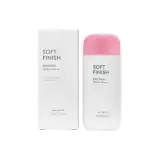
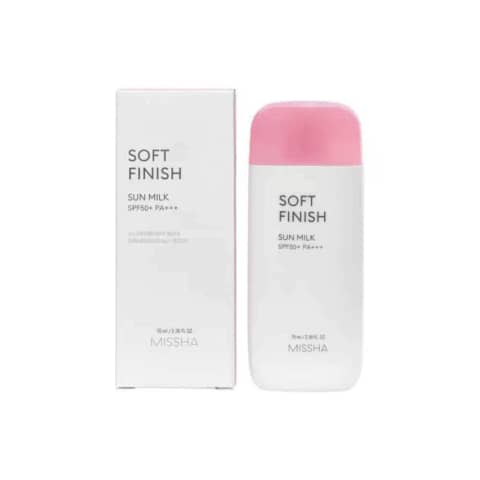
Missha All Around Safe Block Soft Finish Sun Milk SPF50+ PA++++ — ultra-light with a soft-matte finish for humid weather. Consider BB Powder for your routine.
-
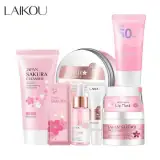
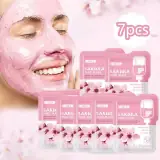
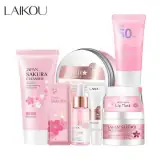
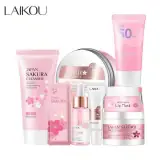
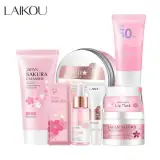
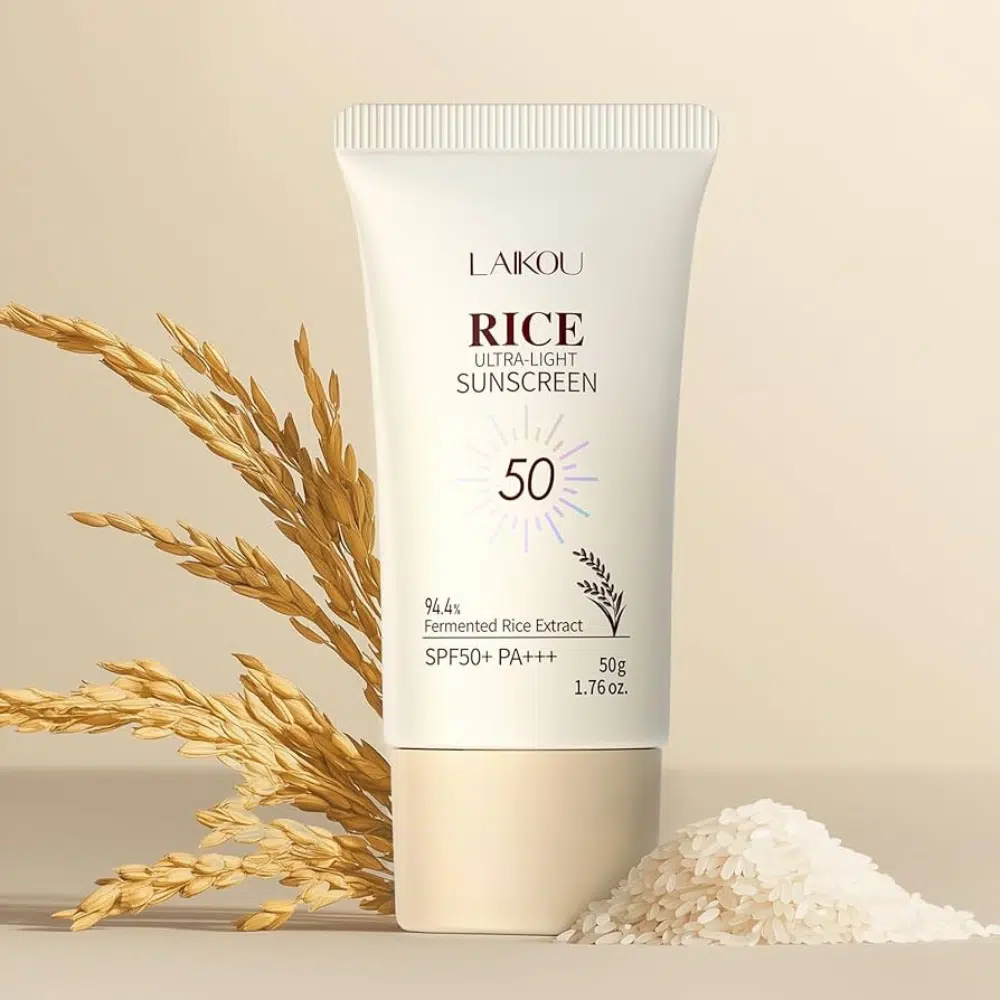
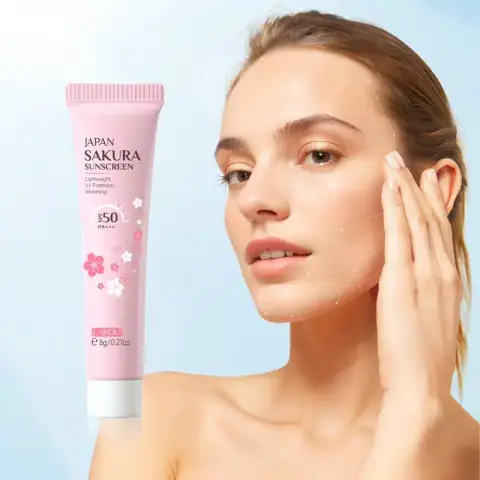
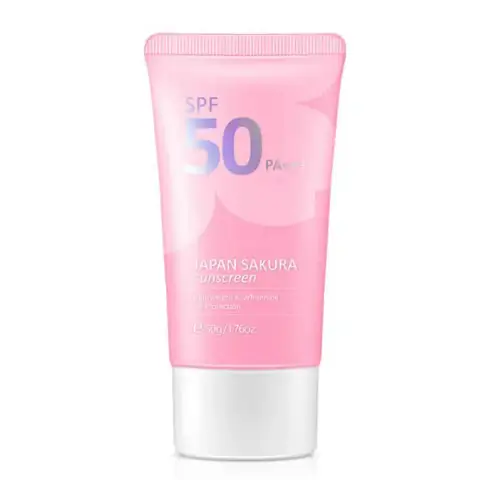
Laikou Sakura Sunscreen SPF50 PA+++ (Aloe Soothing) — daily gel-lotion that feels calm and makeup-friendly.
-
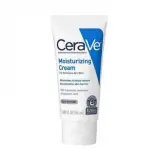
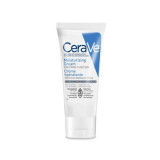
CeraVe Hydrating Mineral Sunscreen SPF30 — mineral filters with ceramides; comfortable for dry or sensitive skin.
-
Neutrogena Ultra Sheer Dry-Touch SPF50 — classic dry-touch feel and easy reapplication. Trending now: Perfume.
-
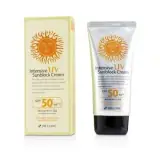
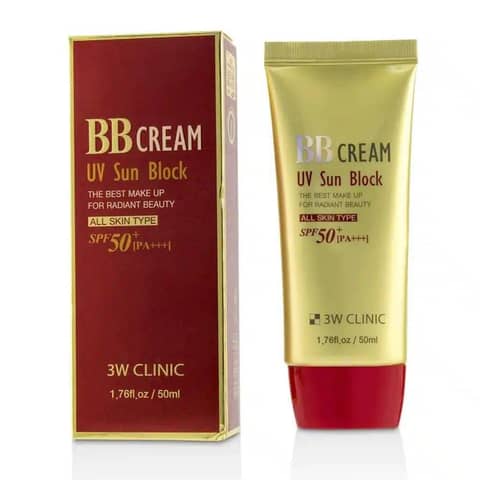
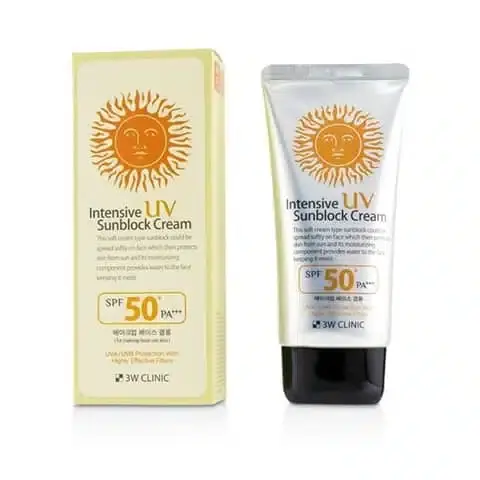
3W Clinic Intensive UV Sunblock SPF50+ — dependable daily shield at a friendly price.
-
Garnier Bright Complete Serum Sunscreen SPF40 — protection with a bright look for city commutes.
-
Skin Cafe Sunscreen SPF50 PA++++ (Mattifying) — shine control that lasts through the workday. Browse Gel for more options.
-
LANBENA Aloe Sunscreen Gel SPF50+ PA+++ — cool gel texture that dries quickly without stickiness.
-
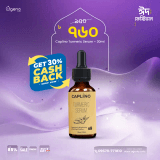
Caplino Daily Defense Sunscreen SPF50 PA++++ — barrier-friendly everyday wear with a gentle finish.
-
Missha All Around Safe Block Aqua Sun Gel SPF50+ PA++++ — water-light gel that vanishes on skin. Explore Hair Removal on our store.
When comparing these, look at finish, UVA grade, filter type, reapply ease, and the final sunscreen price in Bangladesh to find your best match.
Start shopping on RuSu:
Explore Browse all Sunscreens to compare textures, filters, and the sunscreen price in Bangladesh across brands inside the same page. Add glow with Vitamin C Serums for AM, control oil with Niacinamide, and keep skin comfortable with Moisturizers that suit your type.
FAQs:
Which sunscreen is best for oily skin in Bangladesh:
Choose SPF50+ PA++++ with a gel or soft-matte finish. Light “sun milk” textures sit well in humidity. Compare comfort and sunscreen price in Bangladesh before checkout. Discover Blush for quality choices.
Which sunscreen is best for dry skin:
Select creamy mineral or hybrid SPFs with ceramides or hyaluronic acid. Extra hydration often beats a lower sunscreen price in Bangladesh that feels drying.
Which sunscreen is best for combination skin:
Use a balanced, lightweight SPF with a natural finish; add moisturizer only on dry areas. Keep the choice within your preferred sunscreen price in Bangladesh.
Is SPF 50 always better than SPF 30:
SPF 50 blocks more UVB, but correct amount and reapplication matter more. A well-applied SPF 30 can protect better than a thin layer of SPF 50—whatever the sunscreen price in Bangladesh. Shoppers also recommend Personal Care.
Do I need sunscreen indoors:
Yes. UVA passes through glass, so SPF 30–50 is still useful, especially if you sit near windows.
What does PA++++ mean:
It is a high UVA protection grade. Aim for PA++++ plus SPF 50 when possible; then choose by texture and sunscreen price in Bangladesh.
Will sunscreen make me darker:
No. Sunscreen helps reduce tanning and new spots. For instant brightness, try tinted or tone-up formulas and compare options by feel and sunscreen price in Bangladesh. Check out Essential Oil for great picks.
Why does sunscreen pill under makeup:
Too much product or mismatched textures. Let each layer set and apply thin, even coats. Lighter gels often solve the issue and make the sunscreen price in Bangladesh you pay go further.
Is sunscreen safe during pregnancy:
Mineral sunscreens are commonly preferred; always check with your doctor. Buy verified stock rather than chasing only the lowest sunscreen price in Bangladesh.
How much should I apply on face:
Two finger lengths for face and neck. Under-applying weakens protection and wastes your spend, no matter the sunscreen price in Bangladesh. See our Hair Remover collection.
Sunscreen Reapplication in Bangladesh: Making It Practical
Sunscreen reapplication every 2 hours of sun exposure is the dermatological gold standard, but in Bangladesh's practical context — long outdoor working days, commuting, social gatherings — this requires a realistic, workable strategy. For indoor days with incidental sun exposure (commuting, brief outdoor moments): morning SPF application over moisturized skin is often sufficient. For extended outdoor exposure: reapplication is genuinely important. Powder sunscreens in compact form are the most practical reapplication solution for people wearing makeup — pressed over existing makeup, they add a layer of SPF without disturbing the base underneath. SPF setting spray (mineral SPF in a mist format) provides convenient reapplication over makeup without any makeup disturbance. For people without makeup: carrying a tube sunscreen and applying with clean hands to face, neck, and exposed arms at the 2-hour mark is the most effective approach. UV-protective clothing — lightweight long sleeves, wide-brimmed hats, and UV-blocking fabric — reduces the skin surface area requiring reapplication and is the most reliable, low-maintenance strategy for people with long outdoor days in Bangladesh's sun.
Sunscreen Myths Common in Bangladesh
Several sunscreen misconceptions persist in Bangladesh that reduce protection effectiveness. Myth: dark skin doesn't need sunscreen. Reality: melanin provides some natural UV protection (approximately SPF 13 equivalent in very dark skin) but not adequate protection against Bangladesh's UV Index levels of 10-12+ in summer — UV damage, skin cancer risk, and hyperpigmentation occur across all skin tones. Myth: applying sunscreen once a day provides all-day protection. Reality: sunscreen efficacy degrades with UV exposure, sweating, and rubbing — particularly in Bangladesh's conditions, reapplication every 2 hours of outdoor exposure is necessary for sustained protection. Myth: SPF in foundation is sufficient protection. Reality: the amount of foundation applied is typically 1/4 to 1/2 of the amount needed to achieve the labeled SPF — foundation SPF should supplement, not replace, dedicated sunscreen. Myth: natural oils (coconut oil, argan oil) provide meaningful sun protection. Reality: tested SPF of these oils is extremely low (SPF 4-8) — completely inadequate as primary sun protection in Bangladesh's UV environment.