



The Power of Setting Powder: Why It's a Makeup Non-Negotiable
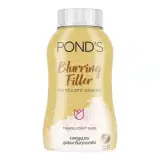
Setting powder — the final step in the base makeup routine — is one of the most underrated and most transformative steps in achieving a professional, long-lasting makeup finish. Applied over foundation and concealer, setting powder absorbs excess oil, sets cream products so they don't move or crease, blurs minor imperfections, and dramatically extends the time makeup stays fresh and intact. In Bangladesh's hot, humid climate where foundation can literally slide off the face within hours, a quality setting powder is not a luxury — it's a necessity for anyone who wears makeup.
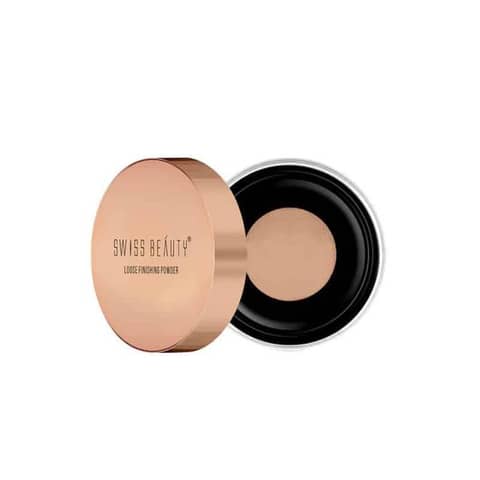
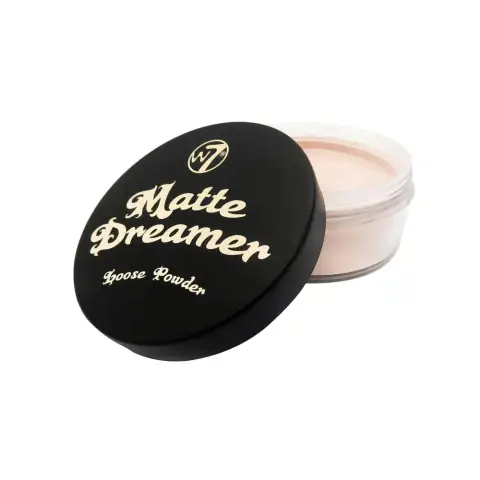
The two main forms of setting powder are loose powder (a finely milled powder in a container) and pressed powder (a compacted version ideal for portability). Loose powders are generally finer and more delicate in texture, providing a more refined, airbrushed finish. They're typically used for initial makeup setting at home, while pressed powders are the on-the-go touch-up option for the handbag. Don't miss RuSu while shopping.
Types of Setting Powders Explained
Translucent Setting Powder
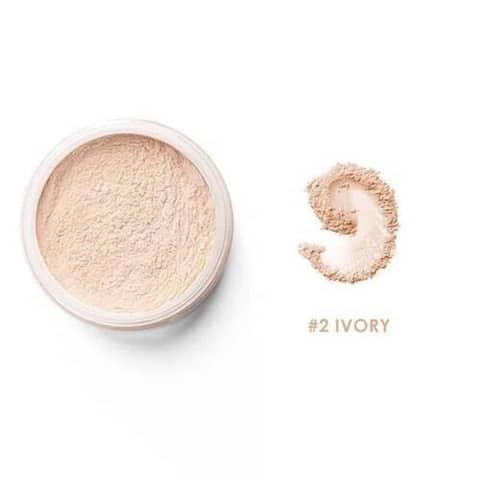
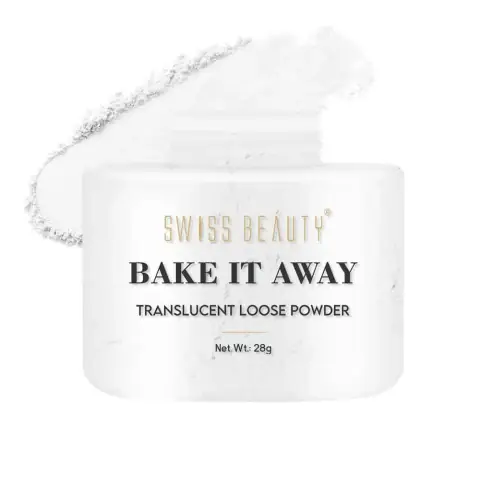
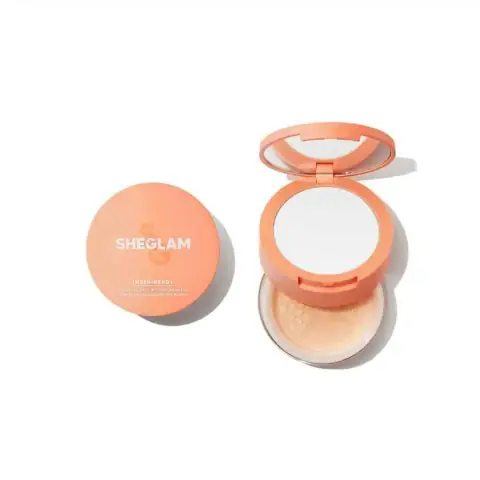
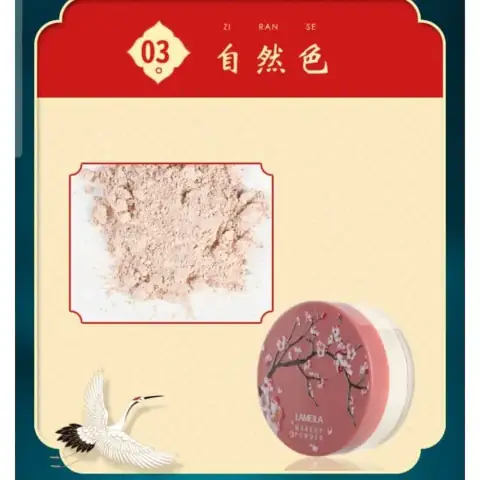
Translucent powders are colorless (or near-colorless) and are designed to work across all skin tones without adding additional color or coverage. They set makeup, reduce shine, and blur fine lines and pores without altering the shade or finish of the foundation underneath. This makes them the most versatile setting powder option — one product works for everyone. Translucent powders are ideal for those who have already achieved their desired coverage and tone through foundation and want to simply lock it in place and reduce shine. They're the most popular setting powder type for everyday use. Highly rated: Nails.
Tinted Setting Powder
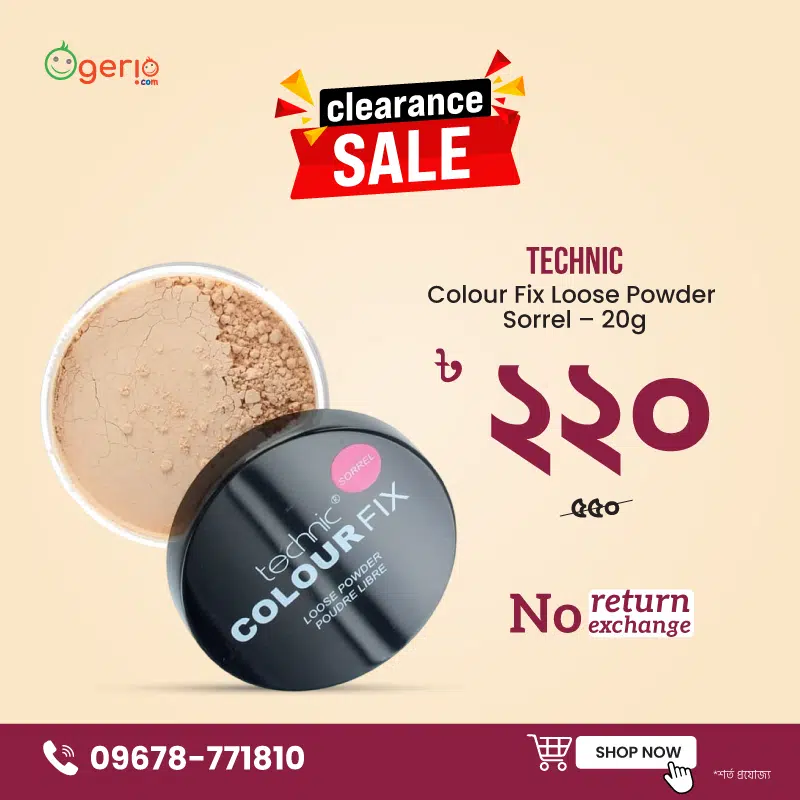
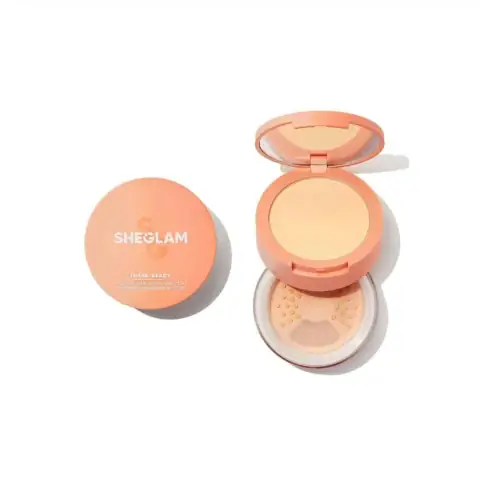
Tinted powders provide a small amount of additional coverage and can slightly deepen, brighten, or adjust the foundation's shade. They're useful for those who want a bit more coverage than foundation alone provides, or for those who want to save time by using a tinted powder in place of foundation for light, casual coverage. Choosing the right shade is essential — too dark or too light causes an obvious mask effect. Most tinted powders are available in a range of shades from light to deep. Consider Combo Offer for your routine.
Banana / Yellow Setting Powder
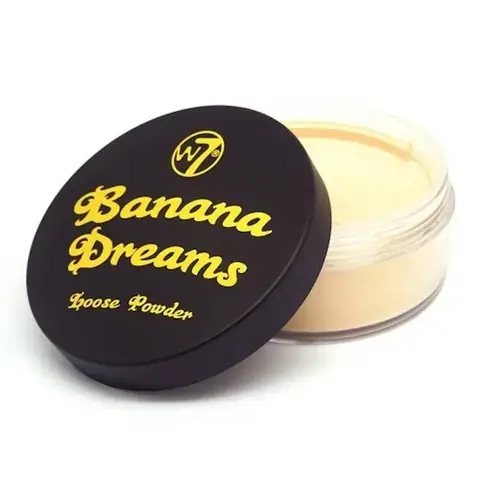
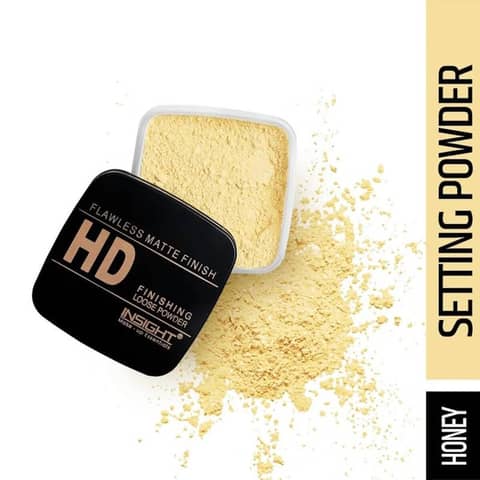
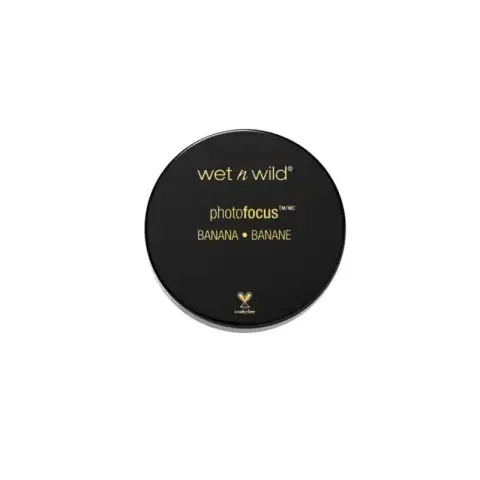
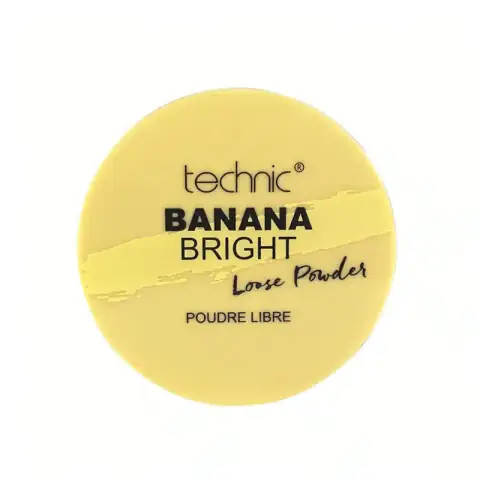
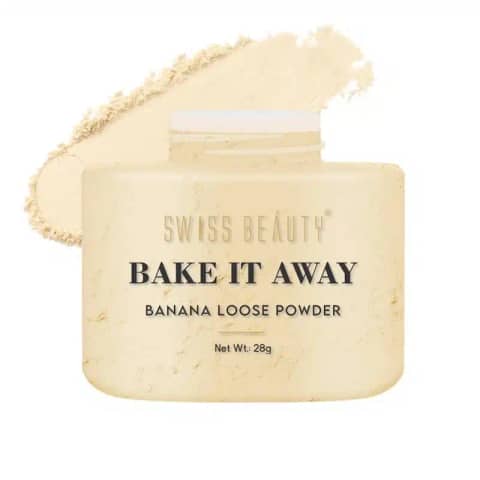
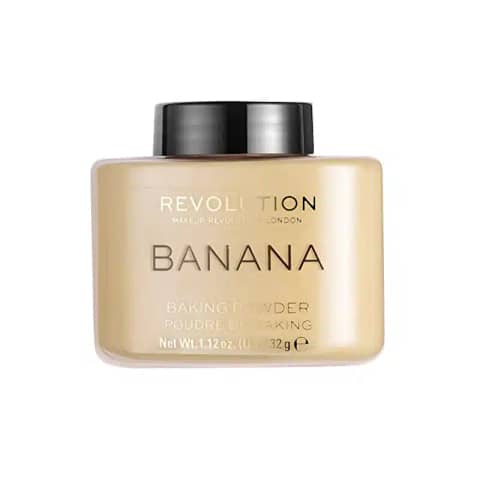
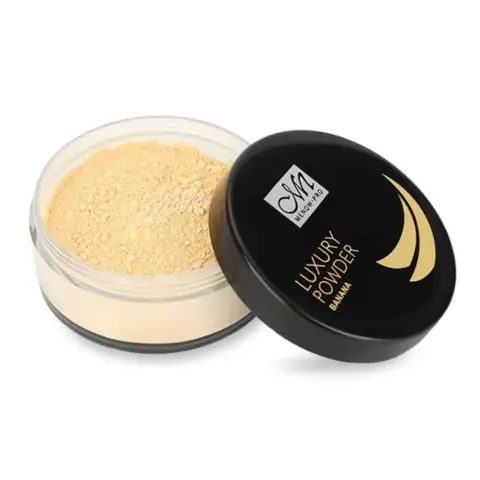
Named for its distinctive yellow-banana color, banana powder is a cult favorite in professional makeup artistry. The yellow tone serves a dual purpose: it cancels out purple and blue under-eye discoloration, and it adds a warm, brightening effect that counters the ashy appearance some translucent powders leave on deeper skin tones. Banana powder is applied heavily under the eyes as part of the "baking" technique — applied generously, left to sit for 5-10 minutes while body heat sets the concealer, then dusted away — leaving a crease-free, brightened under-eye area. Trending now: Lipsticks.
HD / High-Definition Powder
HD powders are ultra-finely milled (often to 5 microns or smaller) powders that are essentially invisible to both the naked eye and the camera lens. They fill in fine lines and pores optically without reflecting harsh light, making the skin look smooth and flawless in both direct light and photography. HD powders often contain silica or similar light-diffusing ingredients. Originally developed for film and TV makeup where HD cameras reveal every texture, they have become popular for everyday use and are particularly loved for weddings and photo occasions in Bangladesh. Browse Soap for more options.
Setting + Finishing Powder with Ingredients
Some setting powders include beneficial skincare actives: SPF powders that provide additional sun protection alongside setting, powders with niacinamide for pore-minimizing and brightening effects, powders with kaolin clay for intense oil absorption, or powders with hyaluronic acid to prevent the dryness that can come from heavy powder application. These multi-functional formulas are worth considering for those with specific skin concerns. Explore Tools on our store.
The Baking Technique: Professional Results at Home
Baking is a professional makeup technique that uses setting powder for maximum longevity and crease-prevention, particularly in the under-eye and T-zone areas: Discover Cotton Pads for quality choices.
- Apply foundation and concealer as usual
- Using a damp beauty sponge, pick up a generous amount of loose powder
- Press (not rub) a heavy layer of powder onto the concealer and foundation — particularly under the eyes and on the T-zone
- Leave the powder to "bake" for 5-15 minutes while you complete other makeup (eye makeup, brows, blush)
- Body heat during this time melts and sets the concealer, preventing creasing
- After baking time, use a large, fluffy brush to sweep away the excess powder
- The result: crease-free, long-lasting concealer that won't move throughout the day
Baking works particularly well for oily skin and for anyone with deep-set eyes where concealer tends to crease significantly. It's a must-use technique for wedding makeup and long-event days. Shoppers also recommend Spices.
How to Apply Setting Powder Correctly
For Overall Setting
- Use a large, fluffy powder brush or a powder puff
- Pick up a small amount of powder, tap off excess
- Apply in light, sweeping or pressing motions across the face
- Focus on the T-zone for oil control; apply lightly on drier areas to avoid emphasizing dry patches
- Build up gradually if more coverage or setting is needed rather than applying heavily at once
For Under-Eye Setting
- Use a small, flat concealer brush or the flat side of a beauty sponge
- Press powder gently in a patting motion under the eye (do not sweep — this can disturb concealer)
- If baking, leave powder undisturbed for 5-10 minutes then brush away
- For everyday wear without baking, pressing lightly and removing immediately is sufficient
Setting Powder vs. Setting Spray: The Difference
Setting powder and setting spray both extend makeup wear but work differently and are ideally used together: Check out Soothing Gel for great picks.
- Setting powder: Absorbs oil, blurs pores and lines, sets cream products, mattifies finish, provides light coverage — applied before setting spray
- Setting spray: Locks all layers of makeup together, can adjust finish (matte or dewy), prevents cracking or powder-looking effect, refreshes makeup — applied as the final step after all makeup is complete
The ideal workflow: primer → foundation → concealer → powder (setting) → remaining makeup → setting spray. This creates the most long-lasting, cohesive finish. See our Eye Primer collection.
Choosing Setting Powder for Your Skin Type
- Oily skin: Kaolin clay-based or talc powders with high oil absorption, applied generously to T-zone; mattifying finish preferred
- Dry skin: Very fine silica-based powders applied lightly; avoid heavy application that emphasizes dry patches and fine lines
- Combination skin: Translucent powder applied where oiliness occurs; avoid or apply minimally on dry areas
- Sensitive skin: Fragrance-free, minimal-ingredient formulas; avoid heavy talc if talc-sensitive
- Dark skin tones: Choose translucent or yellow-toned banana powders to avoid ashiness that white or pink-toned translucent powders can leave on deeper skin tones
Setting Powder in Bangladesh's Climate
In Dhaka and Bangladesh's hot, humid conditions, setting powder is arguably the most important makeup longevity step. Oil-absorbing powders applied to the T-zone after foundation create a moisture-resistant barrier that significantly reduces foundation fade and migration from sweating. For long summer days, "powdering the T-zone only" is a strategy that controls shine while keeping the rest of the face looking natural. Touch up powder mid-day with a pressed powder compact for on-the-go maintenance. In cooler months, lighter application or a hydrating setting powder prevents the over-powdered look that can happen in less humid conditions. Popular with buyers: Covid 19.
Shop Loose Powder at RuSu
Find the perfect setting powder for your skin type and finish preference in our curated loose powder collection at RuSu. From translucent HD powders and brightening banana powders to oil-controlling kaolin formulas and tinted options — we carry top brands available for delivery across Dhaka and Bangladesh. Achieve a flawless, long-lasting makeup finish with the right setting powder. Find more at Tea.
Loose Powder for Different Makeup Styles
The amount and application method of setting powder varies significantly by makeup style. For a no-makeup makeup look: use the absolute minimum — a light dusting with a fluffy brush only where needed (T-zone), keeping the rest of the face fresh and natural. For full glam makeup: bake under the eyes and along the T-zone for maximum set, then lightly dust the rest of the face; the goal is longevity for all-day events. For dewy skin looks: use the least possible powder or skip entirely on cheeks; a small amount on the T-zone only keeps things controlled while allowing the rest of the skin to glow. For photography and video: matte powder applied more generously prevents the shine that camera flashes amplify; HD powders specifically minimize texture visible in high-definition formats. Adapting your powder application to your desired finish and occasion maximizes its effectiveness. Worth exploring: Underarm.
The "Bake and Bake" Method for Ultra-Long Wear
Professional makeup artists use a double-baking technique for extreme longevity events like 12+ hour weddings. After the initial baking (5-10 minutes of heavy powder under eyes and T-zone), complete all face makeup, then do a second light bake on top of the completed makeup — focusing again on the T-zone and any areas prone to breakthrough. This second bake sets the entire completed makeup look as a unified layer rather than just the base products. Follow with setting spray after removing the second bake's excess. This intensive approach is overkill for everyday wear but creates extraordinary staying power for long special occasions in Bangladesh's challenging heat — keeping makeup pristine from afternoon ceremony through late-night celebration. Customers love Eye Shadow in Bangladesh.
Powder Layering: Building the Perfect Base
Strategic powder layering creates different effects for different areas of the face. Start with a thin layer of translucent powder all over to set foundation and reduce shine uniformly. Then target specific areas with a second product: banana powder under the eyes for brightening and crease prevention; a slightly tinted powder on the T-zone to mattify and slightly deepen for dimension; a luminous or shimmer powder on the high points (cheekbones, brow bone, nose bridge) to highlight after all matte powders are set. This methodical approach prevents the "one powder all over" result — a flat, mask-like appearance — and creates a multidimensional finish with different effects in different zones. It's the professional technique behind flawless, photographically beautiful makeup looks.