














Why Foot Care is Often Overlooked — and Why It Shouldn't Be
Foot care is consistently one of the most neglected aspects of personal grooming, yet our feet bear the full weight of our bodies throughout the day and are subjected to constant friction, pressure, and environmental exposure. In Bangladesh, bare feet or open sandals are common, especially in warmer months, leaving feet exposed to dusty roads, UV radiation, and hard surfaces. This makes foot care not just a cosmetic concern but a genuine health necessity.
Cracked heels, dry skin, calluses, and tired, aching feet are not just uncomfortable — they can lead to painful fissures that become entry points for infection, particularly for people with diabetes. A consistent, simple foot care routine using quality products from RuSu can transform the condition of your feet in just a few weeks. Trending now: Eyelashes.
Common Foot Problems in Bangladesh and How to Treat Them
Cracked Heels
Cracked heels — also called heel fissures — are among the most common foot concerns across Bangladesh. They are caused by a combination of dry skin, excess pressure, open-heeled footwear, standing for long periods, and nutritional deficiencies. In severe cases, cracks can bleed and become painful. The most effective treatment is a combination of gentle exfoliation to remove thickened dead skin followed by intensive moisturisation with a dedicated heel cream or balm containing urea, lactic acid, or shea butter. Browse Digital for more options.
Dry and Rough Skin
The balls of the feet and the heels are particularly prone to dryness and thickening (hyperkeratosis) due to constant pressure and friction. Regular use of a moisturising foot cream with occlusives (shea butter, petrolatum) and humectants (glycerin, urea) keeps skin soft and prevents the buildup of rough, callused skin. Explore Eye Care on our store.
Calluses and Corns
Calluses are areas of thickened, hardened skin that develop as a protective response to repeated friction. While not painful in themselves, thick calluses are unsightly and can become tender. Exfoliating foot scrubs, pumice stones, and foot files are the first line of treatment, followed by moisturising creams. Corns, which are more localised and have a hard central core, may require medicated corn plasters or professional podiatric care. Discover Computer for quality choices.
Tired and Aching Feet
After long days of standing, walking, or wearing ill-fitting shoes, feet can become swollen, hot, and achy. Cooling foot gels with menthol or peppermint, soothing foot masks, and warm or cool foot soaks provide welcome relief. Regular foot massages — even at home — significantly improve circulation and reduce fatigue. Shoppers also recommend Eyeliner.
Foot Odour
Foot odour (bromhidrosis) is caused by bacterial breakdown of sweat on the skin's surface. Good daily hygiene is the foundation of treatment, supplemented by antibacterial foot washes, deodorising foot powders, and moisture-wicking footwear. Applying an antiperspirant to the soles of the feet can also significantly reduce sweating and associated odour. Check out Electronics for great picks.
Fungal Infections (Athlete's Foot)
Bangladesh's humid climate creates favourable conditions for fungal growth. Athlete's foot (tinea pedis) causes itching, scaling, and redness between the toes and on the soles. Antifungal foot creams and sprays available at RuSu treat the infection effectively, while antifungal foot powder helps prevent recurrence by keeping feet dry. See our Face Care collection.
Types of Foot Care Products at RuSu
Foot Creams and Heel Balms
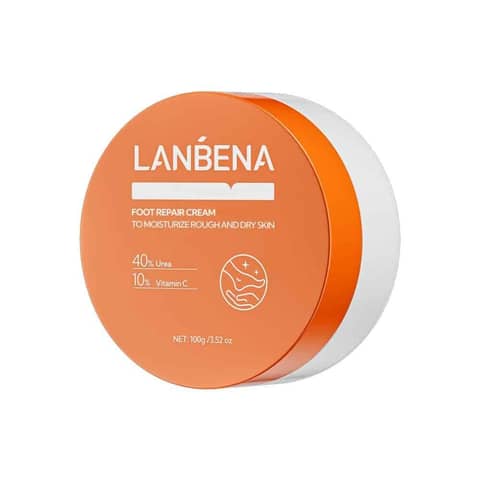
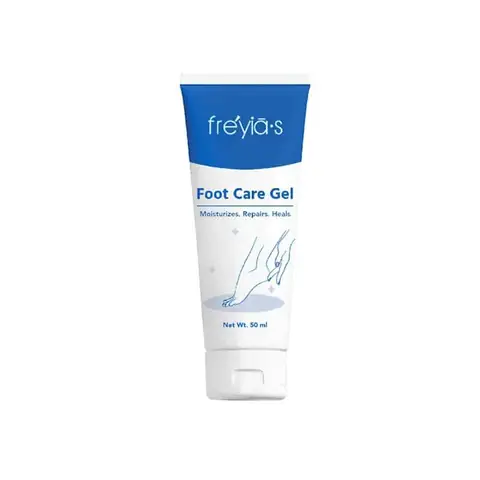
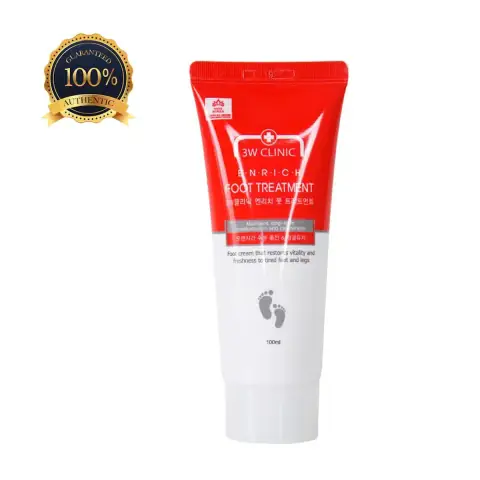
Foot creams are richer and more intensive than regular body lotions, formulated with higher concentrations of moisturising and exfoliating ingredients to tackle the tough skin of the feet. Heel balms specifically target severely cracked or thickened heels. Key ingredients to look for include urea (10-25% for gentle chemical exfoliation and deep hydration), lactic acid, shea butter, glycerin, petroleum jelly, and allantoin.
Foot Scrubs and Exfoliators
Foot scrubs physically remove dead skin cells from the surface of the feet, leaving skin smoother and more receptive to moisturising treatments. They come in sugar, salt, pumice, and walnut shell varieties, often combined with nourishing oils. Use 2-3 times per week in the shower for best results, followed immediately by a foot cream while skin is still damp to lock in moisture. Popular with buyers: Gaming Headphone.
Foot Masks and Peel Boots
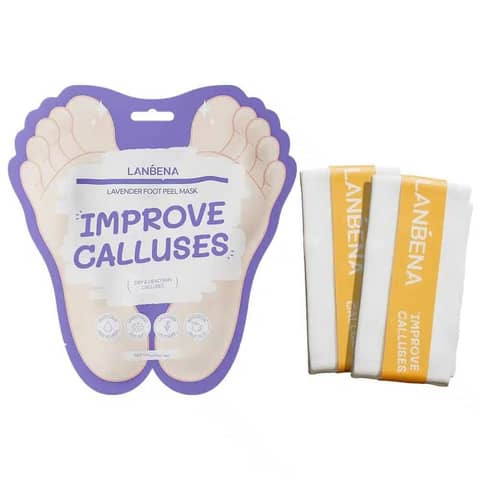
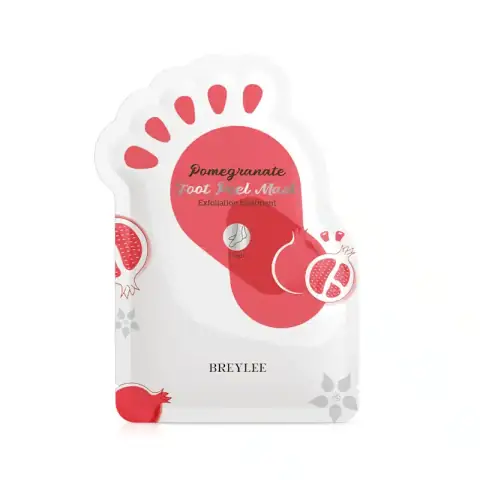
Foot masks — especially the popular "baby foot" chemical peel type — use fruit acids (AHA/BHA) to dissolve the bonds between dead skin cells, causing the outermost layer of rough, thickened skin to peel off over 1-2 weeks, revealing baby-soft skin beneath. Hydrating gel foot masks provide intensive moisture in a 20-30 minute treatment. Both are available at RuSu and make for excellent self-care rituals. Find more at Kajal.
Foot Soaks and Bath Salts
A warm foot soak is one of the most simple and effective foot care remedies. Epsom salt (magnesium sulfate) soaks reduce swelling, soothe achy muscles, and soften rough skin. Adding a few drops of tea tree or lavender essential oil provides antimicrobial and relaxing benefits. Soak for 15-20 minutes, then exfoliate and moisturise for maximum effect. Worth exploring: Hair Care.
Foot Deodorants and Powders
Foot powders and deodorant sprays keep feet dry, reduce friction, and combat odour-causing bacteria. Talc-based and cornstarch-based powders are classic choices, while newer formulas include antimicrobial ingredients like tea tree oil and zinc oxide for enhanced protection. Customers love Hand Care in Bangladesh.
Nail Care Products
Complete foot care includes toenail health. Nail files, cuticle oils, nail clippers, and nail strengtheners help maintain neat, healthy toenails. Regular trimming straight across prevents ingrown toenails, while cuticle oil softens and protects the nail fold. A top choice: Router.
Your Step-by-Step Weekly Foot Care Routine
- Daily: Wash feet thoroughly with a gentle antibacterial soap, ensuring you clean between the toes. Dry completely, especially between the toes, to prevent fungal growth. Apply foot cream, paying extra attention to heels and balls of the feet.
- 2-3 Times a Week: Exfoliate with a foot scrub or pumice stone in the shower. Follow with foot cream applied while skin is still slightly damp.
- Weekly: Enjoy a warm foot soak for 15-20 minutes. After patting dry, apply a thick heel balm and wear cotton socks overnight for an intensive overnight treatment (the "sock treatment" dramatically softens cracked heels within 1-2 weeks).
- Monthly: Treat yourself to a foot mask or chemical peel boot for intensive resurfacing. Trim and file toenails, push back cuticles gently, and apply cuticle oil.
Why Shop Foot Care Products at RuSu?
RuSu offers Bangladesh's most comprehensive foot care product range, from everyday moisturising creams to specialised treatments for cracked heels, fungal infections, and foot pain. All products are 100% authentic, competitively priced, and available for fast delivery across the country. Whether you are looking for a trusted drugstore staple or a luxury spa-quality foot treatment, you will find it in our foot care category. Don't miss Lash Glue while shopping.
Conclusion: Every Step Deserves Care
Your feet are the foundation of your daily life — it is time to give them the care and attention they truly deserve. With a simple, consistent foot care routine built around quality products from RuSu, you can heal cracked heels, banish dry skin, and step out every day with smooth, healthy, confident feet. Browse our full foot care range today and take the first step toward happier, healthier feet. Highly rated: Kids & Baby.
Foot Care Essentials for Bangladesh's Climate
Foot care is often overlooked until problems develop, but Bangladesh's climate creates specific foot health challenges that benefit from proactive care. The combination of heat (closed shoes in Bangladesh's summer create a warm, moist environment ideal for fungal growth), walking on hard surfaces, and inadequate moisturizing of a body area that naturally produces no sebum creates conditions for dry heels, calluses, and athlete's foot that are very common in Bangladesh's population. A basic foot care routine: wash feet thoroughly (between toes particularly) daily and dry completely before putting on socks and shoes — the most effective prevention for fungal infections; apply foot cream or body lotion to the feet after bathing (the feet particularly benefit from immediate post-bath moisturization when the skin is still slightly damp); exfoliate thick calluses on heels and balls of feet weekly using a pumice stone, foot file, or exfoliating foot soak — this is much easier than dealing with severely thickened skin later. For cracked heels specifically (the most common foot concern in Bangladesh): apply a urea cream (10-25% concentration) or petroleum jelly to heels nightly under cotton socks — urea is the most effective over-the-counter ingredient for softening and healing thickened, cracked heel skin, providing measurable improvement within 1-2 weeks of nightly use. Consider Health & Beauty for your routine.
Preventing Foot Problems in Bangladesh
Preventive foot care is significantly easier than treating established problems. Proper footwear: choose well-fitting shoes with adequate support and avoid narrow toe boxes that cause blisters and deformity over time; wearing open footwear (sandals) extensively in Bangladesh's heat is comfortable but creates increased UV exposure, drying, and callus accumulation on the sole — balance with appropriate protective coverage. Flip flops worn constantly provide minimal foot support and don't protect between the toes from bacterial and fungal exposure on wet surfaces. In Bangladesh's flood-prone regions and during monsoon season, wading through contaminated water without foot protection exposes cuts and cracked skin to bacterial infection risk — treating any skin breaks on feet with antiseptic and keeping them covered during flood exposure reduces this risk. For athletes and regular exercisers in Bangladesh: moisture-wicking socks reduce the constant moisture that promotes fungal infections; rotating between pairs of shoes allows adequate drying time; applying antifungal powder or spray to shoes prevents athlete's foot recurrence in already-sensitized individuals.