















Understanding Topical Pain Relief: How It Works
Topical pain relief products—creams, gels, balms, sprays, and patches—are applied directly to the skin over the painful area. Unlike oral pain medications that must travel through the digestive system and bloodstream before reaching the site of pain, topical analgesics work locally. They penetrate the skin and deliver active ingredients to the underlying tissue—muscles, tendons, ligaments, and joints—providing faster, more targeted relief with a significantly lower risk of systemic side effects. Check out Moisturizing for great picks.
In Bangladesh, where a large proportion of the population works in physically demanding roles—garment workers, construction workers, rickshaw pullers, farmers—and where sports participation is rising rapidly among young people, the demand for effective, affordable topical pain relief has grown substantially. RuSu stocks a wide range of products to serve this need, from traditional medicated balms to modern pharmaceutical-grade patches and cooling gels. See our Toys collection.
Types of Topical Pain Relief Products
Analgesic Creams and Gels
These are the most common format. Creams and gels absorb quickly into the skin and often contain one or more of the following active ingredients: diclofenac sodium (an NSAID), ketoprofen, ibuprofen, or methyl salicylate. They are ideal for acute muscle strains, sports injuries, arthritis, and post-exercise soreness. Gel formulas feel lighter and cool on application, while cream formulas tend to be richer and more moisturising—useful for dry-skinned seniors dealing with joint pain. Popular with buyers: Loose Powder.
Medicated Balms and Ointments
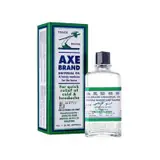
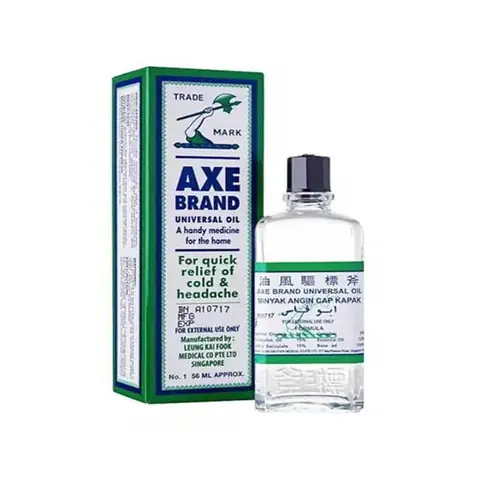
Classic balms like Tiger Balm, Zandu Balm, and Moov have been household staples across South Asia for generations. They typically contain camphor, menthol, eucalyptus oil, and clove oil—ingredients that create a warming or cooling sensation that distracts pain signals and increases local blood flow to accelerate healing. Balms are thick and long-lasting, making them ideal for bedtime application to allow ingredients to work overnight. Find more at Foot Care.
Pain Relief Patches and Plasters
Medicated patches deliver a controlled, sustained dose of analgesic ingredients over 8 to 12 hours. They are especially convenient for people who are active during the day and cannot reapply cream every few hours. Diclofenac patches, menthol patches, and capsaicin patches are available at RuSu. Heat-activated patches provide warmth as well as analgesic action, making them popular for chronic back and shoulder pain. Worth exploring: Sunscreen.
Pain Relief Sprays
Sprays are hygienic and easy to apply to hard-to-reach areas like the mid-back, shoulder blade, or hamstring without bending uncomfortably. They dry quickly and are ideal for use in sports changing rooms or at work. Most sprays contain menthol, ethyl chloride (for instant cold relief), or NSAID molecules in a liquid carrier. Customers love Wipes in Bangladesh.
Capsaicin-Based Products
Derived from chilli peppers, capsaicin depletes substance P—a neurotransmitter that signals pain—from nerve endings. Regular use (twice daily for several weeks) significantly reduces chronic pain from arthritis, neuropathy, and fibromyalgia. Capsaicin products cause a warming or burning sensation on first application, which subsides with consistent use. A top choice: WOMEN BAG.
Active Ingredients Explained
Understanding what is in your pain relief product helps you choose effectively: Highly rated: Lotion. Don't miss Makeup Remover while shopping.
- Methyl Salicylate (Wintergreen Oil): A counterirritant that produces warmth, increasing circulation and easing muscle pain. Found in most classic balms.
- Menthol: Creates a cooling sensation that overrides pain signals. Anti-inflammatory and mild analgesic effects.
- Camphor: Mild pain reliever and anti-inflammatory; used in balms and ointments for generations.
- Diclofenac Sodium: A prescription-strength NSAID available in topical gel form. Highly effective for localised arthritis and sports injuries.
- Ibuprofen (Topical): The same NSAID available in oral tablets, delivered locally through the skin for muscle and joint pain without GI side effects.
- Capsaicin: Chilli-derived; depletes pain neurotransmitters for chronic pain conditions.
- Arnica Extract: A natural anti-inflammatory used in homeopathic gels for bruising, swelling, and muscle soreness.
- Lidocaine: A local anaesthetic that temporarily numbs the area; found in some patches and roll-ons for nerve pain.
Choosing the Right Pain Relief Product for Your Condition
- Acute muscle strain or sprain: A fast-absorbing NSAID gel (diclofenac or ibuprofen) applied 3 to 4 times daily is the most clinically supported option. Use a cold compress alongside for the first 48 hours.
- Chronic joint pain (arthritis, knee pain): Diclofenac gel or a capsaicin cream used consistently over weeks provides cumulative relief. Complement with a physiotherapy programme.
- Post-exercise soreness: Menthol gels provide immediate cooling comfort. An arnica gel reduces inflammation and bruising from intense training sessions.
- Back and shoulder pain: Heat patches worn throughout the day relax tight muscles and improve mobility. Apply over the stiff area before work or exercise.
- Nerve pain (sciatica, neuropathy): Capsaicin or lidocaine-based products are most appropriate; consult a doctor for chronic nerve conditions.
- Headache and tension: Menthol roll-ons applied to the temples, forehead, and back of the neck can relieve tension headaches quickly and non-invasively.
How to Apply Topical Pain Relief Correctly
- Clean the skin first. Wash and dry the affected area. Applying product to clean skin maximises absorption.
- Use the right amount. A pea-to-grape-sized amount of cream or gel for a localised area like the knee or wrist. Over-application does not increase effectiveness and may cause skin irritation.
- Rub or pat in gently. Massage the product into the skin using circular motions until mostly absorbed.
- Wash hands thoroughly. Immediately wash your hands after application, especially before touching your eyes, nose, or mouth. Menthol and capsaicin especially cause intense irritation to mucous membranes.
- Do not cover with heat immediately. Avoid applying a heat pad directly over a freshly applied analgesic cream, as this can increase absorption to potentially unsafe levels.
- Follow frequency guidelines. Most products recommend 3 to 4 applications per day. Do not exceed this, and limit use to 7 to 10 days unless under medical advice.
Safety and Precautions
Topical pain relief products are generally safe when used as directed, but there are important precautions to keep in mind: Consider Baby Powder & Lotion for your routine.
- Do not apply to broken, inflamed, or sunburned skin.
- Avoid contact with eyes, nose, mouth, and genitals.
- If you develop a rash, swelling, or difficulty breathing after application, discontinue use and seek medical advice—this may indicate an allergic reaction.
- NSAID-containing topicals (diclofenac, ibuprofen) should be used with caution in people with kidney disease, and should not be used on large areas of the body for extended periods.
- Pregnant and breastfeeding women should consult a doctor before using any topical analgesic, particularly in the third trimester.
- Children under 12 should not use most adult-formulated pain relief products without medical guidance.
Pain Relief for Specific Groups
Athletes and Fitness Enthusiasts
Topical analgesics are a staple in any athlete's recovery kit. Apply a cooling menthol gel immediately after intense training to reduce delayed-onset muscle soreness. Use a diclofenac gel on injury-prone areas (ankles, knees, shoulders) during recovery phases. Heat patches before training can warm up chronically tight muscles and reduce injury risk. Trending now: GLASS.
Office Workers
Prolonged sitting causes neck stiffness, upper back tension, and lower back ache. A menthol roll-on kept at your desk offers a quick midday treatment. A heat patch on the lower back before a long workday can significantly reduce discomfort without drowsiness (unlike oral pain tablets). Browse Makeup Setting Spray for more options.
Seniors and Arthritis Sufferers
Older adults often prefer topical products to oral NSAIDs because they avoid gastrointestinal side effects. Diclofenac gel is particularly effective for knee and hand osteoarthritis. Warm, paraffin-based balms soothe joint stiffness in winter mornings. Explore Mehndi on our store.
Shop Pain Relief Products at RuSu
RuSu stocks a carefully curated range of topical pain relief products including internationally recognised brands and trusted local options. We offer competitive prices, genuine products, and convenient delivery to all areas of Bangladesh. Order online with cash on delivery or bKash payment. Whether you are an athlete recovering from training, an office worker with a stiff neck, or a senior managing chronic joint pain, RuSu has the right solution for you. Discover Soap & Bodywash for quality choices.
Topical Pain Relief Products for Bangladesh's Common Ailments
Bangladesh's working population faces a range of musculoskeletal pain conditions that topical pain relief products address effectively as part of a comprehensive approach. Among the most common pain concerns: lower back pain from prolonged sitting (increasingly prevalent in Bangladesh's growing office-worker population), joint pain from physical labor and agricultural work, sports and exercise-related muscle soreness, and arthritis-related discomfort in older populations. Topical NSAIDs (non-steroidal anti-inflammatory drugs) like diclofenac gel and ketoprofen gel penetrate the skin to provide localized anti-inflammatory action at the pain site with less systemic absorption than oral NSAIDs — a meaningful advantage for people with digestive sensitivity to oral pain medications. Counterirritant products (methyl salicylate, menthol, camphor) work through a different mechanism: creating a warming or cooling sensation that distracts from underlying pain through competing sensory input. These are among the most widely used topical pain products in Bangladesh — recognizable brands like tiger balm and various balms are embedded in everyday Bangladeshi self-care for muscle and joint discomfort. Shoppers also recommend DRESS.
Proper Use of Topical Pain Relief in Bangladesh
Maximizing the benefit from topical pain products requires correct technique and appropriate expectations. Application technique: apply the product directly to the painful area and the surrounding muscles using firm massage — the massage action itself provides circulation and pain-relief benefit beyond the active ingredient; wash hands thoroughly after applying (particularly for counterirritant products that cause significant irritation if accidentally transferred to eyes or mucous membranes). Frequency: follow package directions — more frequent application beyond recommended levels doesn't provide additional relief and increases skin irritation risk. Expectations: topical pain products provide meaningful relief for mild to moderate localized pain; they are supportive care, not primary treatment for severe, chronic, or pathological pain that requires medical evaluation. Limitations: topical NSAIDs have lower tissue penetration than oral medications and are most effective for shallow pain (surface joints, ligaments, bursae) rather than deep muscle or bone pain. Heat combined with topical pain products (applying after a warm bath or with a heating pad) significantly increases active ingredient penetration and efficacy for muscle pain in Bangladesh's context. Check out Pressed Powder for great picks.