







The Essential Guide to Moisturizers: Hydration Secrets for Every Skin Type
Moisturizers are the cornerstone of any effective skincare routine, serving as the final protective layer that seals in hydration, strengthens the skin barrier, and keeps the complexion supple and healthy.1 Far from being a luxury, using a suitable moisturizer is a daily necessity that shields the skin from environmental damage, prevents premature aging, and addresses specific concerns like dryness, oiliness, or sensitivity.
This comprehensive guide explores the science behind moisturizers, breaks down the different types and ingredients, offers tailored recommendations for various skin types, and provides practical advice on integrating this essential product into your daily regimen. Discover RuSu for quality choices.
Understanding the Science of Skin Hydration
The skin’s outermost layer, the stratum corneum, acts like a brick-and-mortar wall. The skin cells are the “bricks,” and the natural lipids (oils) are the “mortar.”2 A healthy barrier prevents Transepidermal Water Loss (TEWL)—the natural evaporation of water from the skin—and keeps external irritants and bacteria out. Shoppers also recommend Nails.
Moisturizers work by employing three primary classes of ingredients to support this barrier function: Check out Bogo for great picks.
1. Humectants (The Hydrators)
Humectants are water-attracting ingredients that draw moisture into the stratum corneum from the deeper layers of the skin (dermis) and, if the ambient humidity is high, from the surrounding air.4 They essentially “water” the skin.
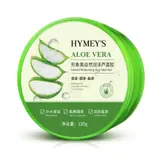
- Key Ingredients: Hyaluronic Acid (HA), Glycerin, Aloe Vera, Urea, and Alpha Hydroxy Acids (AHAs) like Lactic Acid.
- Best For: All skin types, particularly dehydrated skin lacking water.
2. Emollients (The Smoothers)
Emollients are oil-based ingredients that fill the gaps between skin cells, smoothing the skin’s texture and improving flexibility. They help repair the “mortar” of the skin barrier. See our Lip Scrub collection.
- Key Ingredients: Fatty Acids (e.g., Linoleic Acid), Squalane, Jojoba Oil, Ceramides, and Shea Butter.
- Best For: Rough, flaky, or mature skin needing barrier repair.
3. Occlusives (The Sealants)
Occlusives create a physical, water-repellent layer on the skin’s surface, acting like a protective “lid.” They are the most effective at preventing TEWL, thereby locking in the hydration provided by humectants. Popular with buyers: Soap.
- Key Ingredients: Petrolatum (Petroleum Jelly), Mineral Oil, Lanolin, and high-concentration Silicones (e.g., Dimethicone).
- Best For: Severely dry, cracked, or impaired skin barriers.
Choosing the Right Moisturizer for Your Skin Type
Selecting the correct product consistency and ingredient profile is vital for maximizing benefits and avoiding common skin issues like breakouts or irritation. Find more at Tools.
| Skin Type | Concerns & Needs | Ideal Texture | Key Ingredients to Look For |
| Dry Skin | TEWL, flakiness, tightness, impaired barrier. Needs heavy sealing. | Thick Cream or Balm | Occlusives (Petrolatum, Shea Butter), Ceramides, Hyaluronic Acid, Lanolin. |
| Oily Skin | Excess sebum production, prone to clogged pores, shiny T-zone. Needs light hydration. | Gel or Light Lotion | Non-comedogenic oils (Squalane), Niacinamide (to control oil), Glycerin, Salicylic Acid (light exfoliant). |
| Combination Skin | Oily T-zone, dry cheeks. Needs balanced, non-greasy moisture. | Lightweight Cream or Oil-Free Lotion | Hyaluronic Acid, Glycerin, Ceramides (mid-range concentration). Avoid heavy butters. |
| Sensitive/Reactive Skin | Redness, stinging, prone to irritation, rosacea, eczema. Needs soothing care. | Fragrance-Free Cream or Calamine Lotion | Colloidal Oatmeal, Aloe Vera, Allantoin, Chamomile. Avoid fragrance, alcohol, and essential oils. |
| Acne-Prone Skin | Breakouts, inflammation, congestion. Needs hydration without clogging pores. | Oil-Free Gel or Non-Comedogenic Lotion | Benzoyl Peroxide or Salicylic Acid (in medicated options), Niacinamide, Squalane. |
| Mature Skin | Loss of elasticity, fine lines, dryness due to reduced lipid production. | Rich Cream with Anti-Aging Boosters | Peptides, Retinoids (used carefully), Ceramides, Antioxidants (Vitamin C/E), richer Emollients. |
Advanced Ingredients and Their Benefits
Modern moisturizers often include powerful active ingredients that offer benefits beyond basic hydration: Worth exploring: Combo Offer.
- Ceramides: These are natural lipids found in the skin barrier. Replenishing ceramides (often labelled as Ceramide NP, AP, etc.) is crucial for dry and sensitive skin, as it restores the skin’s ability to retain moisture and protects against environmental stressors.
- Niacinamide (Vitamin B3): A multi-tasker that minimizes pore appearance, improves uneven skin tone, softens fine lines, and strengthens a compromised barrier. It also helps regulate oil production, making it excellent for oily and acne-prone skin.
- Hyaluronic Acid (HA): A powerful humectant capable of holding up to 1000 times its weight in water.12 It provides immediate plumping and hydration. Look for formulas with different molecular weights (high and low) for deeper penetration.
- Squalane: A highly stable and non-comedogenic form of Squalene (a lipid naturally produced by the skin). It provides light, effective emollients without a greasy feel, perfect for almost every skin type.
- Peptides: Short chains of amino acids that signal the skin to produce more collagen. They are included in moisturizers targeting firmness and reducing the appearance of wrinkles.
- Antioxidants (e.g., Vitamin C and E): These ingredients protect the skin from damage caused by free radicals from pollution and UV exposure.14 When used in a morning moisturizer, they boost the efficacy of sunscreen.
Moisturizer Price Guide in Bangladesh (BDT)
The market for moisturizers in Bangladesh is diverse, ranging from highly affordable local and mass-market brands to premium international, dermatologist-recommended lines. Prices are influenced by the brand’s origin, the inclusion of active ingredients (like Ceramides or Niacinamide), and product volume. Customers love Lipsticks in Bangladesh.
Here is an estimated price range for some of the most popular and available moisturizer brands across different market segments in Bangladesh: A top choice: Soothing Gel.
| Brand & Product Type | Typical Size | Price Range (BDT) | Key Ingredient/Benefit | Target Skin Type |
| Budget/Local Brands | ||||
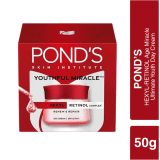
| Pond’s Super Light Gel | 50g / 100g | 250 – 650 | Hyaluronic Acid, Gel Texture | Oily, Combination (Humid Climate) |
| Himalaya Nourishing Skin Cream | 50ml / 150ml | 110 – 250 | Herbal Extracts, All-purpose Cream | Normal, Dry (General Use) |
| Vaseline Blue Seal Petroleum Jelly | 50ml / 100ml | 220 – 380 | Petrolatum (Occlusive), Intensive Sealing | Extremely Dry, Barrier Repair |
| Mid-Range/Accessible International | ||||
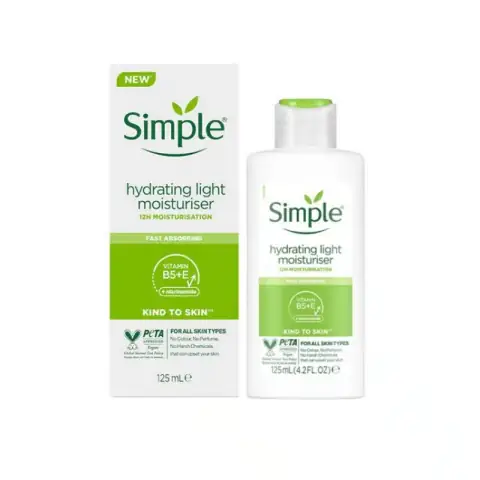
| Simple Hydrating Light Moisturiser | 125ml | 700 – 950 | Pro-Vitamin B5, Niacinamide, Light Lotion | Normal, Sensitive, Combination |
| Neutrogena Hydro Boost Water Gel | 50ml | 1,250 – 1,700 | Hyaluronic Acid, Non-greasy Gel | Oily, Combination, Dehydrated |
| The Ordinary Natural Moisturizing Factors | 30ml / 100ml | 1,100 – 1,800 | NMF, Amino Acids, Barrier Support | All Types |
| K-Beauty (e.g., COSRX, Illiyoon) | ||||
| COSRX Snail 92 All in One Cream | 100g | 1,500 – 2,000 | Snail Mucin, Repair, Light Cream | All Types, Acne Scars |
| Illiyoon Ceramide Ato Concentrate Cream | 200ml | 1,800 – 2,500 | Ceramides, Hypoallergenic | Dry, Sensitive, Impaired Barrier |
| Dermatologist-Recommended/Premium | ||||
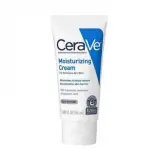
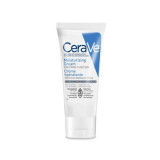
| CeraVe Moisturizing Cream | 56ml / 236ml | 1,000 – 2,800 | 3 Essential Ceramides, Hyaluronic Acid | Normal to Dry, Sensitive |
| Cetaphil Moisturizing Cream | 100g / 453g | 1,000 – 3,500 | Rich Emollients, Gentle, Non-comedogenic | Dry, Very Dry, Sensitive |
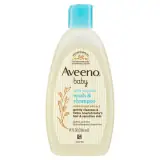
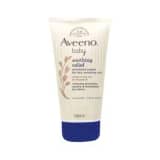
| Aveeno Daily Moisturizing Lotion | 100ml / 500ml | 1,400 – 2,900 | Colloidal Oatmeal, Soothing | Dry, Eczema-Prone, Sensitive |
Application Techniques: Maximizing Efficacy
The way you apply moisturizer can significantly impact its performance. Don't miss Eye Primer while shopping.
- Timing is Key (The Damp Skin Rule): Apply your moisturizer immediately after washing your face, applying serums, and before the skin is completely dry. Occlusives and emollients are most effective when applied to damp skin because they seal in the existing water molecules, maximizing hydration.
- Proper Amount: Use a coin-sized amount (dime or nickel size). Less is usually more, especially for oilier skin. Over-application can lead to clogged pores or a sticky residue.
- Gentle Massage: Gently massage the moisturizer into your face and neck using upward, circular motions. This helps with absorption and promotes blood circulation. Do not neglect the neck and décolletage, as these areas show signs of aging quickly.
- SPF Integration (The Morning Routine): During the day, your final protective step should always be a moisturizer containing a broad-spectrum SPF 30 or higher.17 This combined product streamlines your routine and ensures adequate UV protection. If your chosen moisturizer does not contain SPF, apply a dedicated sunscreen immediately after the moisturizer has absorbed.
- Night Cream vs. Day Cream: Night creams are often thicker and contain a higher concentration of active repair ingredients (like Retinol or higher percentages of Peptides) since the skin enters a regeneration cycle while you sleep.18 Day creams are lighter and prioritize UV protection.
Common Moisturizing Mistakes to Avoid
- Applying to Dry Skin: As mentioned, applying moisturizer to parched skin means you are mostly sealing air, not water. Always apply to damp skin for optimal efficacy.
- Using a Moisturizer That Is Too Heavy: For oily or acne-prone skin, using a heavy cream (rich in petrolatum or coconut oil) can lead to congestion, milia, and breakouts. Stick to oil-free gels and lotions.
- Skipping the Neck: The skin on the neck is thin and vulnerable. It needs the same care as the face.
- Ignoring the Ingredients: Don’t just follow trends. If you have sensitive skin, immediately discard products listing high amounts of fragrance, alcohol (denatured), or potentially irritating essential oils.
- Inconsistent Use: The benefits of a moisturizer accumulate over time. Skipping days, especially in cold or dry weather, will compromise your skin barrier and reverse progress.
The Role of Moisturizers in Diverse Climates
The environment plays a significant role in dictating your skin’s moisturizing needs: Highly rated: Cotton Pads.
- Humid Climates (like Bangladesh): In high humidity, the air is saturated with moisture, making it easier for humectants to work. A light gel or gel-cream is often sufficient, as heavy occlusives can feel suffocating and contribute to clogged pores. Focus on humectants (HA, Glycerin) and oil-controlling ingredients (Niacinamide).
- Cold/Dry Climates: In cold weather and low humidity, TEWL is accelerated.23 This environment demands thicker creams rich in emollients (Ceramides, Fatty Acids) and occlusives (Shea Butter, Petrolatum) to create a protective shield against the harsh elements.
- Air-Conditioned Environments: Even in a tropical country, indoor air conditioning creates a highly desiccating (drying) environment. If you spend most of your time indoors, you may need a slightly richer cream than the outdoor temperature would suggest.
Conclusion
Moisturizers are the unsung heroes of skincare, performing the crucial dual role of providing hydration and protection. They are not merely cosmetics but essential dermatological tools that maintain the structural integrity and health of the skin barrier.24 By understanding your skin type, discerning the function of key ingredients (humectants, emollients, and occlusives), and adopting correct application techniques, you can effectively choose and use a moisturizer that keeps your complexion resilient, smooth, and radiantly healthy, year after year.