








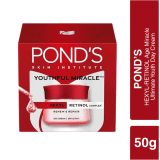
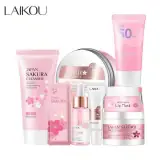
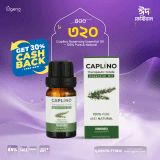
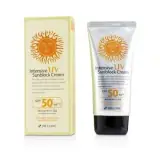
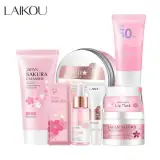
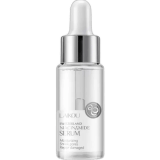
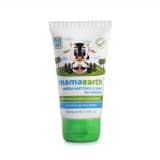

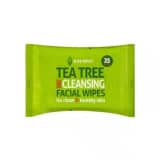


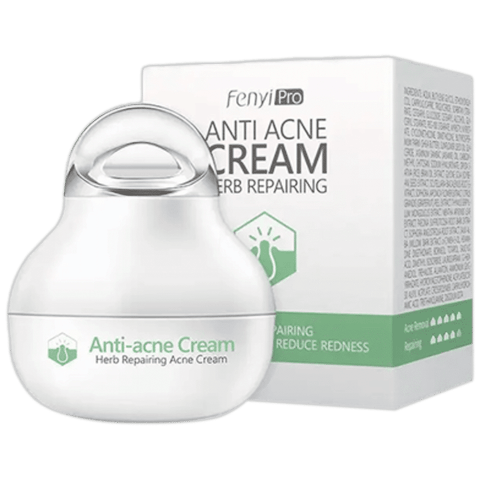
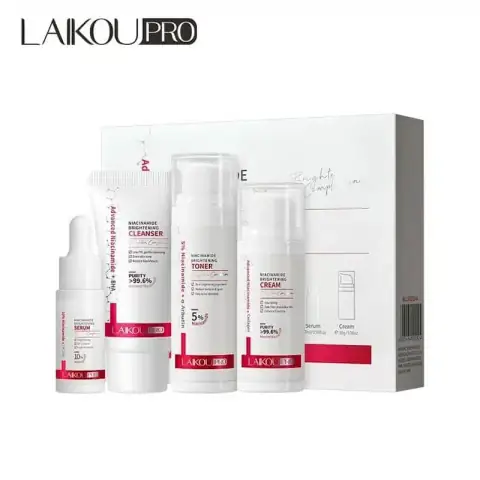
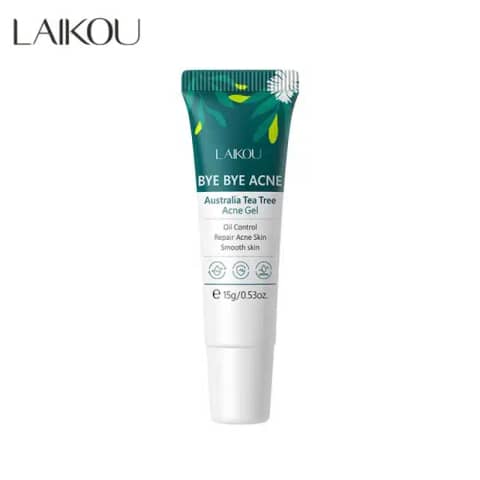
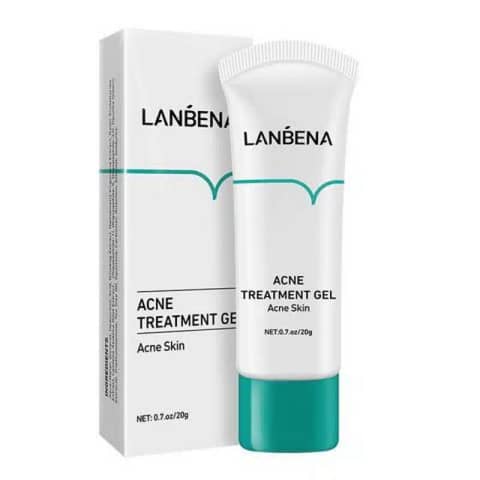
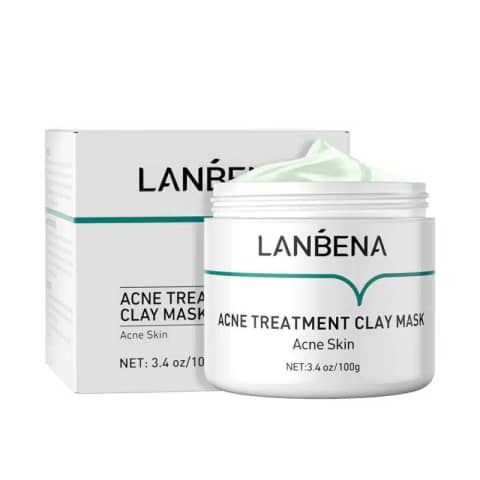
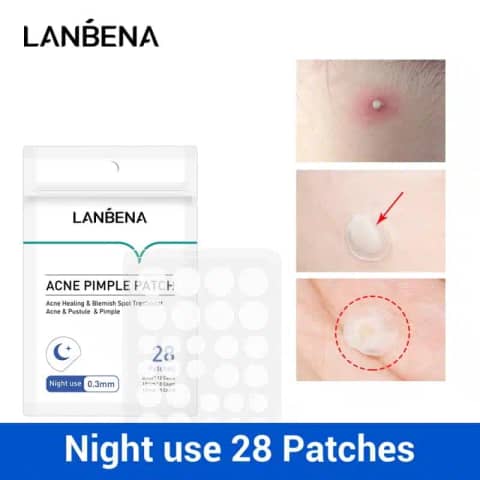
Acne is one of the most common skin conditions affecting Bangladeshis of all ages — from teenagers navigating hormonal changes to adults dealing with stress-triggered breakouts and post-acne scarring. Bangladesh's tropical climate — with its heat, humidity, and dust pollution — creates the perfect environment for clogged pores and acne bacteria to thrive. At RuSu, our Acne Care collection brings together the most effective, science-backed products available in Bangladesh for preventing breakouts, treating active pimples, and healing the post-acne marks that linger long after the blemish is gone.
Understanding Acne – Why It Happens
Acne forms through a multi-step process: excess sebum (oil) production combined with dead skin cell buildup clogs hair follicles, creating a microenvironment where Cutibacterium acnes bacteria multiply. The immune response to this bacterial overgrowth causes the redness, inflammation, and swelling we recognize as pimples. Understanding this process reveals why effective acne care addresses multiple steps simultaneously: Worth exploring: RuSu.
- Control excess oil (niacinamide, clay, zinc)
- Exfoliate dead skin cells that clog pores (salicylic acid, AHAs)
- Kill acne-causing bacteria (benzoyl peroxide, tea tree oil)
- Reduce inflammation (niacinamide, azelaic acid, centella asiatica)
- Prevent scarring (vitamin C, retinol, SPF protection)
Key Acne-Fighting Ingredients Explained
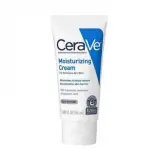
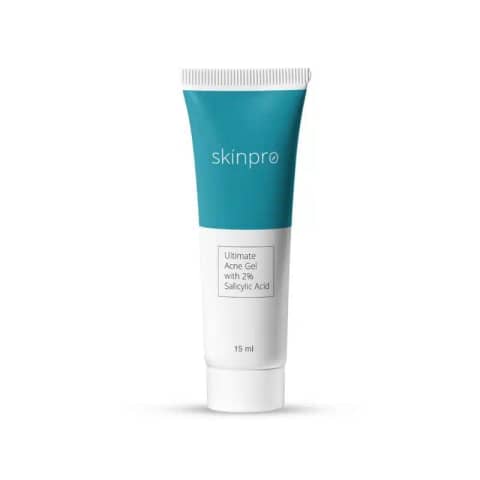
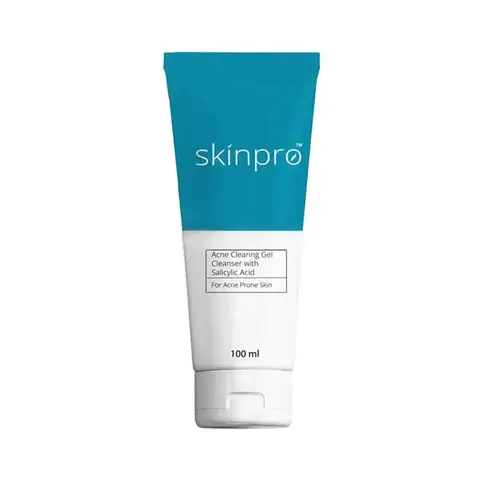
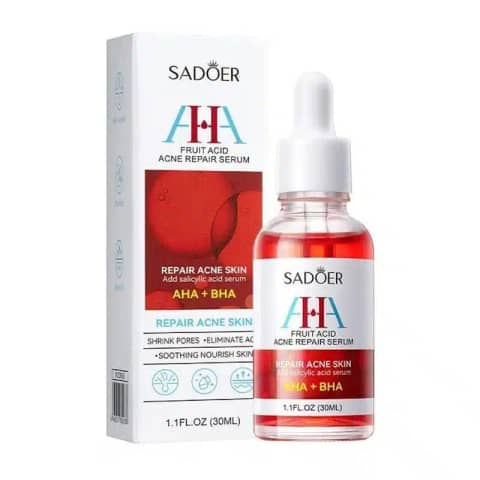
Salicylic Acid (BHA): The most important OTC acne-fighting ingredient. Oil-soluble, which means it penetrates into pores and dissolves the sebum-dead cell plugs that cause blackheads and whiteheads. Available in concentrations of 0.5–2% in face washes, toners, and spot treatments. The Neutrogena Oil-Free Acne Wash and CeraVe SA Cleanser are leading salicylic acid products at RuSu.
Benzoyl Peroxide: The most effective OTC antibacterial for acne — kills C. acnes bacteria and reduces inflammation. Available in 2.5%, 5%, and 10% concentrations. Lower concentrations (2.5%) are equally effective as higher ones with significantly less irritation. Use as a spot treatment on active pimples or all-over treatment for widespread acne. Note: benzoyl peroxide bleaches fabric — use white towels and pillow cases. Customers love Hair Color in Bangladesh.
Niacinamide: A multi-tasking ingredient that reduces sebum production, minimizes pore appearance, calms redness and inflammation, fades post-acne marks (PIH), and strengthens the skin barrier. At 10% concentration, niacinamide significantly reduces sebum excretion rate — making it one of the best long-term management tools for oily, acne-prone skin.
Azelaic Acid: Antibacterial, anti-inflammatory, and brightening — azelaic acid is particularly effective for post-acne hyperpigmentation (the dark marks left after pimples heal). Gentle enough for daily use and safe for all skin tones. A top choice: Mascara.
Retinol/Retinoids: Vitamin A derivatives that normalize skin cell turnover — preventing the dead cell buildup that clogs pores. Long-term retinol use reduces acne formation, fades post-acne marks, and improves overall skin texture. Start with low concentrations (0.025–0.05%) and use 2–3x per week until skin adjusts.
Tea Tree Oil: Natural antibacterial with proven efficacy against C. acnes. A 5% tea tree oil gel has been shown to be as effective as 5% benzoyl peroxide for mild to moderate acne, with fewer side effects. Dilute in carrier oil for spot application; never apply undiluted as it can burn skin. Don't miss Online Grocery Shop while shopping.
Centella Asiatica (Cica): Anti-inflammatory and wound-healing — centella soothes irritated acne-prone skin and supports barrier recovery after acne treatments that can be drying or irritating.
Building an Acne Care Routine
Morning routine for acne-prone skin: Highly rated: Cleanser.
- Gentle salicylic acid or niacinamide face wash
- BHA toner (salicylic acid) or niacinamide toner
- Lightweight niacinamide serum
- Oil-free, non-comedogenic moisturizer
- SPF 30+ (non-comedogenic formula) — critical, as acne marks darken with UV exposure
Evening routine:
- Double cleanse — oil cleanser first if wearing SPF/makeup, then face wash
- BHA exfoliating toner (3–4 nights per week)
- Treatment serum (niacinamide, azelaic acid, or vitamin C for marks)
- Spot treatment (benzoyl peroxide or tea tree) on active pimples only
- Light moisturizer
- Retinol (2–3x per week, alternating nights with BHA)
Acne in Bangladesh's Climate – Specific Considerations
Bangladesh's humidity and heat increase sebum production and sweat, which combine to create the perfect breeding ground for acne bacteria. Masks (from cloth, dust, or pollution) cause "maskne" — acne along the mask line from friction and trapped sweat. Reapplying sunscreen throughout the day (necessary in Bangladesh's strong UV) can feel heavy and pore-clogging if you don't choose lightweight, non-comedogenic formulas specifically designed for acne-prone skin. Consider Hair Mask for your routine.
Adapt your routine seasonally: during humid months, use lighter moisturizers and more frequent BHA toning. During drier winter months, balance acne treatment with adequate moisturization to prevent over-drying that paradoxically increases oil production as a rebound response. Trending now: BB Cream.
Post-Acne Mark Treatment
Post-inflammatory hyperpigmentation (PIH) — the dark marks left after pimples heal — is often more distressing than the pimple itself. Treatment requires patience: these marks fade gradually over weeks to months with consistent use of brightening actives and daily SPF. Vitamin C serum (morning), niacinamide (morning and evening), and azelaic acid (evening) are the most effective OTC PIH treatments. Retinol accelerates cell turnover that brings fresh, unpigmented cells to the surface. Never attempt to speed the process by picking or squeezing — this causes deeper damage and more severe, longer-lasting marks.
When to See a Dermatologist
OTC acne products are highly effective for mild to moderate acne. Consult a dermatologist when: acne is severe (nodular or cystic, covering large areas), causing significant scarring, not responding to 2–3 months of consistent OTC treatment, or causing significant psychological distress. Prescription treatments (topical antibiotics, tretinoin, oral antibiotics, spironolactone, isotretinoin) are available through dermatologists in Bangladesh for cases requiring medical intervention. Browse Pain Relief for more options.
Acne Care Brands at RuSu Bangladesh
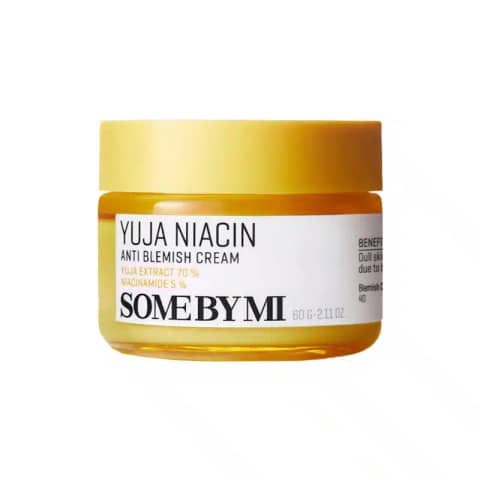
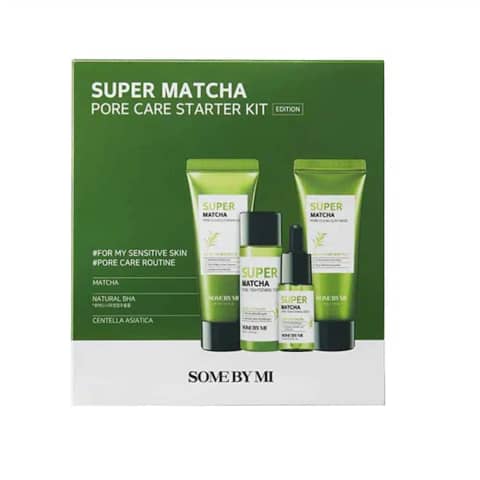
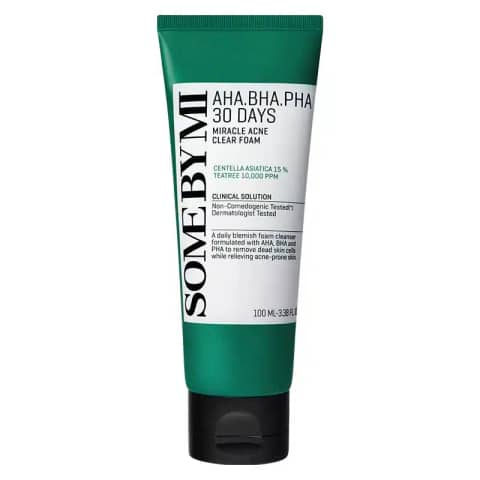
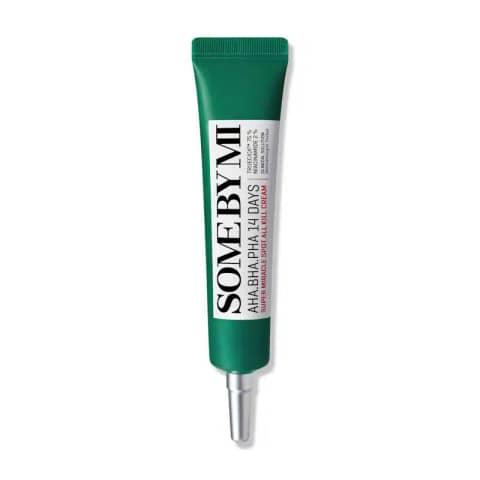
Our acne care collection includes: Neutrogena, CeraVe, Cetaphil (for sensitive acne-prone skin), Some By Mi, Cosrx, The Ordinary, La Roche-Posay Effaclar, Himalaya Purifying Neem, Garnier Pure Active, Pond's Clear Solutions, and more. Spanning all budgets from affordable drugstore options to premium skincare, RuSu provides genuine options for every acne concern and every wallet. Shop today and start your journey to clearer, healthier skin.
Understanding Your Acne Type for Better Treatment
Acne is not one condition but several, and identifying your specific type determines which products will work best for you. Comedonal acne consists of non-inflammatory blackheads (open comedones) and whiteheads (closed comedones) without redness — best treated with BHA exfoliants like salicylic acid that penetrate pores. Inflammatory acne involves red papules and pustules — requires antibacterial ingredients like benzoyl peroxide, niacinamide, or tea tree. Nodular and cystic acne involves deep, painful, inflamed nodules that often require professional medical treatment (prescription retinoids, antibiotics, or hormonal therapy) alongside skincare. Identifying your dominant acne type is the first step to building an effective acne care routine. Explore Gel on our store.
The Role of Diet in Acne: Bangladesh-Specific Considerations
Research increasingly links certain dietary patterns to acne flares. High-glycemic foods — refined carbohydrates like white rice, white bread, and sugary beverages — spike blood sugar and insulin, which triggers increased sebum production and inflammatory responses that worsen acne. In a typical Bangladeshi diet where white rice and refined carbs are staples, this connection is particularly relevant. Dairy, particularly skim milk, has been linked to acne in multiple studies — possibly due to IGF-1 and hormonal content. Conversely, foods high in omega-3 fatty acids (fish, which Bangladesh has in abundance), zinc (meat, lentils), and antioxidants (vegetables, green tea) are associated with reduced inflammation and better acne outcomes. You don't need to eliminate all trigger foods — moderate, mindful adjustments can complement your skincare routine significantly.
Building an Acne Care Routine: Morning and Night
Morning routine: Gentle low-pH cleanser → toner (niacinamide or BHA toner for oily skin) → lightweight moisturizer → SPF sunscreen (non-comedogenic formula). Keep mornings simple — save active treatments for evening when they're more effective and less likely to cause sun sensitivity. Discover Hair Oil for quality choices.
Evening routine: Double cleanse if wearing sunscreen and makeup (oil cleanser + gentle face wash) → BHA exfoliant (salicylic acid toner or serum, 2-3 times per week) → treatment serum (niacinamide daily; benzoyl peroxide on active spots; or retinol 2-3 times per week) → non-comedogenic moisturizer. Introduce actives gradually — starting all at once commonly causes irritation that worsens acne temporarily.
Spot Treatment vs. Full-Face Treatment
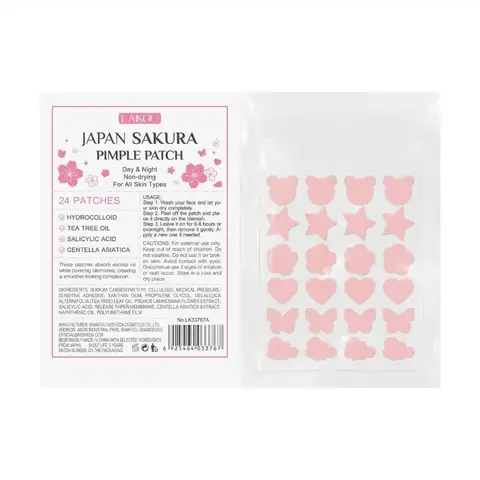
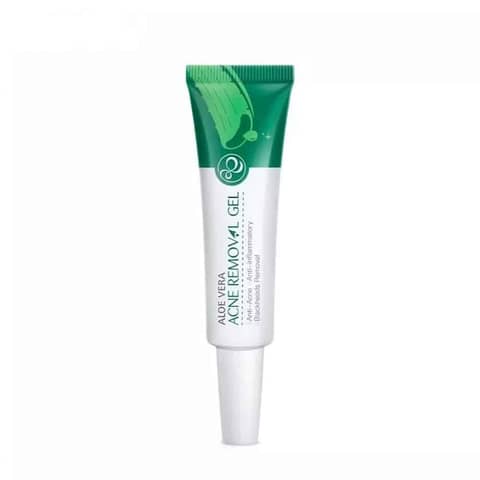
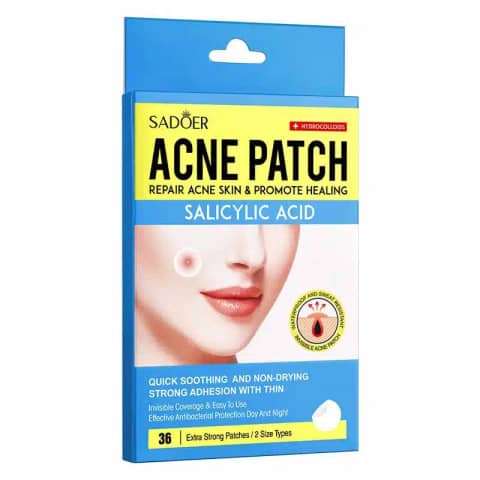
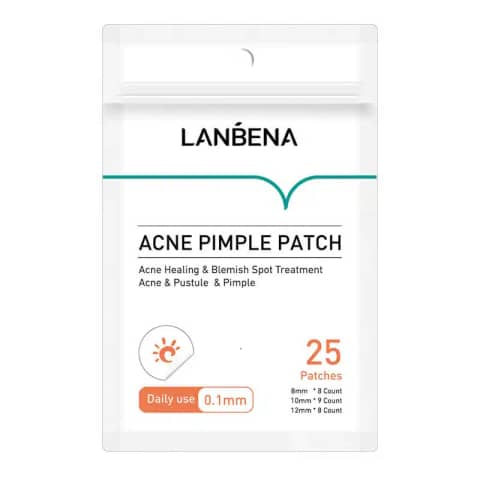
Spot treatments target existing pimples specifically — applying a concentrated active ingredient (usually benzoyl peroxide 2.5-5%, salicylic acid, or sulfur) directly onto individual blemishes for faster resolution. They work best on surface-level papules and pustules. Full-face treatments (niacinamide serum, BHA toner, retinol) address the underlying conditions that cause acne formation — preventing new breakouts rather than treating existing ones. Both approaches are complementary and most effective when used together: full-face preventive treatment as a daily routine, spot treatment for active pimples as they appear. Shoppers also recommend BB Powder.
Acne Scarring: Prevention and Treatment
Post-inflammatory hyperpigmentation (PIH) — the dark marks left after acne heals — is often more distressing than the acne itself, particularly for darker South Asian skin tones that are more prone to PIH. Prevention is much easier than treatment: never pick or squeeze acne (this dramatically worsens PIH); apply SPF daily (UV exposure darkens existing PIH significantly); use niacinamide during the active acne phase to reduce post-inflammatory pigmentation from forming. For treating existing marks: vitamin C serum, azelaic acid, kojic acid, and alpha-arbutin all reduce hyperpigmentation with consistent use over 8-12 weeks. Chemical exfoliation with AHAs (glycolic, lactic acid) accelerates cell turnover, bringing fresher, lighter skin to the surface faster.