
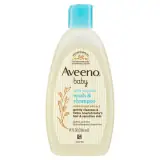


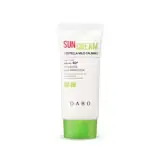
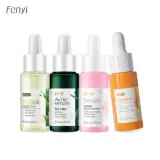








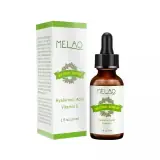
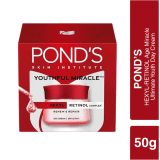
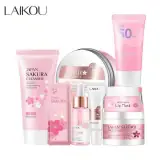





Skin allergies and sensitivities affect a significant portion of Bangladesh's population, manifesting as redness, itching, hives (urticaria), eczema, contact dermatitis, and generalized skin reactivity. Bangladesh's environment presents multiple triggers: high pollen counts during season changes, intense UV radiation, dust and particulate pollution in urban areas, insect exposure, and a wide variety of food and airborne allergens. Anti-allergic skincare and products address these concerns from multiple angles — soothing existing reactions, strengthening the skin barrier to prevent allergen penetration, and avoiding common irritants that trigger flares. See our RuSu collection.
Understanding Skin Allergies vs. Skin Sensitivity
Skin allergy (allergic contact dermatitis) is an immune-mediated reaction where the immune system identifies a specific ingredient as harmful and mounts an inflammatory response — even to very small amounts of the allergen. This reaction typically appears 24-72 hours after exposure (delayed hypersensitivity) as red, itchy, blistering rash at the contact site. Common cosmetic allergens include fragrance compounds (the most frequent), nickel in jewelry, formaldehyde-releasing preservatives, specific dyes, and certain plant extracts like tea tree oil or lavender in high concentrations. Popular with buyers: Moisturizing.
Skin sensitivity (not a true allergy) is a condition of heightened reactivity where the skin barrier is compromised or inherently delicate, causing irritation from physical friction, temperature extremes, or ingredients that don't cause reactions in people with intact barriers. Symptoms include burning, stinging, tightness, and redness without a true immune response. Both conditions require gentle, minimalist skincare approaches, but true allergies require complete avoidance of identified allergens, while sensitivity management focuses on barrier repair and reducing overall irritant load. Find more at Dress.
Identifying Common Allergens in Skincare Products in Bangladesh
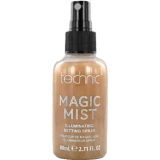
The most common allergens in skincare and beauty products used in Bangladesh: Fragrance (parfum) — the leading cause of cosmetic allergic reactions worldwide; a single fragrance formula can contain dozens of individual allergens, and "fragrance-free" products are significantly safer for allergic-sensitive individuals. Formaldehyde releasers (DMDM hydantoin, imidazolidinyl urea, quaternium-15) — common preservatives in many budget products that release small amounts of formaldehyde over time, causing delayed reactions. Parabens — while generally well-tolerated, methylparaben and ethylparaben can trigger reactions in pre-sensitized individuals. Specific plant extracts — aloe vera, tea tree oil, lavender oil, and cinnamon extract can trigger reactions in sensitive individuals despite being considered "natural." Nickel in jewelry and metal tools that touch the skin — relevant for earrings, rings, watches, and bangles. Latex — found in some elastic cosmetic sponges. Worth exploring: Highlighter.
Building an Anti-Allergic Skincare Routine
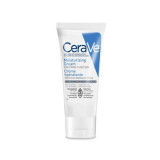
For sensitive, allergy-prone skin in Bangladesh, the skincare routine philosophy is: fewer products with simpler formulas. Every additional product introduces additional potential allergens. A minimal effective routine: a gentle, fragrance-free cleanser (Cetaphil, CeraVe, or similar); a simple hydrating toner (alcohol-free, fragrance-free); a moisturizer focused on barrier repair (ceramides, niacinamide, glycerin, hyaluronic acid in a fragrance-free base); a broad-spectrum mineral SPF (zinc oxide and titanium dioxide are the least sensitizing UV filters — physical rather than chemical). Introduce new products one at a time with 2-week intervals between introductions, so if a reaction occurs, you can identify the cause. A top choice: Sunscreen. Customers love Facial Scrub in Bangladesh.
Patch testing every new product before full use is non-negotiable for allergic skin: apply a small amount to the inner forearm or behind the ear, leave for 24 hours (some reactions take 48-72 hours), and assess for redness, itching, or swelling before applying to the face. This 5-minute precaution prevents the discomfort and potential scarring of a full facial allergic reaction. In Bangladesh, where skincare products of varying quality are available from multiple sources, patch testing becomes even more important before trying unfamiliar brands or ingredient combinations. Don't miss Toys while shopping.
Anti-Allergic Oral Medications for Skin Reactions
Beyond topical products, anti-allergic (antihistamine) medications manage systemic and widespread skin allergic reactions. Oral antihistamines block histamine receptors, reducing the itching, redness, and hive formation triggered by allergic reactions. First-generation antihistamines (chlorphenamine, hydroxyzine) are available in Bangladesh pharmacies, are highly effective for acute reactions, but cause significant drowsiness. Second-generation antihistamines (cetirizine, loratadine, fexofenadine) have minimal sedation and are appropriate for regular use in people with chronic allergic skin conditions. For severe acute reactions (anaphylaxis, angioedema), immediate medical attention is required — epinephrine injections, not antihistamines, are the emergency treatment. For chronic urticaria or eczema with significant impact on quality of life, a dermatologist can prescribe stronger medications or biologics. Highly rated: WOMEN BAG.
Traditional and Natural Anti-Allergic Remedies in Bangladesh
Traditional Bangladeshi and South Asian approaches to skin allergy management include several remedies with genuine evidence. Neem (Azadirachta indica): broad antibacterial, anti-inflammatory, and antihistamine properties — neem oil diluted in a carrier oil or neem-based creams can soothe inflammatory skin reactions. Turmeric: curcumin (the active compound) has well-documented anti-inflammatory and mild antihistamine properties — applied as a mask or consumed as golden milk for internal anti-inflammatory benefit. Aloe vera gel: directly applied gel from the plant provides cooling, anti-inflammatory relief for irritated skin — apply fresh gel (not processed products with multiple additives) for maximum soothing effect. Cooling and astringent foods and preparations from traditional medicine (hakim) may also help manage symptoms. These traditional remedies complement, rather than replace, modern dermatological approaches, particularly for severe or persistent reactions. Consider Loose Powder for your routine.
Anti-Allergic Skincare Product Recommendations for Bangladesh
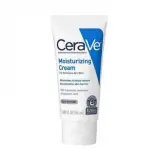
Building a reliable anti-allergic skincare routine in Bangladesh requires careful product selection. The most trusted anti-allergic brands — products dermatologist-tested and formulated for sensitive, reactive skin — available in Bangladesh: CeraVe (fragrance-free, ceramide-rich products recognized by dermatologists globally), Cetaphil (the most prescribed brand by dermatologists for sensitive skin, very accessible in Bangladesh), La Roche-Posay Toleriane (formulated specifically for intolerant, reactive skin), Avène (thermal spring water-based products with minimal formulations for the most sensitive skin), Bioderma Sensibio (the pioneering micellar water brand, formulated for sensitive skin). These brands prioritize minimal, well-tested formulas over fragrance, color, and marketing ingredients — the opposite approach from many general consumer products. In Bangladesh, these brands are increasingly available through pharmacies, specialty skincare stores, and e-commerce platforms with international shipping. Browse Wipes for more options. Trending now: Foot Care.
Environmental Allergens Affecting Bangladeshi Skin
Beyond cosmetic product allergens, Bangladesh's environment contains multiple allergens that affect the skin. Seasonal pollen from flowering trees and grass (particularly elevated during spring and fall season changes in Bangladesh) causes contact urticaria (hives) and atopic dermatitis flares in sensitized individuals. Dust mites — thriving in Bangladesh's humid climate — are among the most common aeroallergens affecting both respiratory and skin conditions. Insect stings and bites from mosquitoes (pervasive throughout Bangladesh), bees, wasps, and other insects cause local allergic reactions that can range from mild swelling to severe systemic responses. Latex in household and medical products, nickel in everyday jewelry and accessories, and formaldehyde in fabrics and processed products all contribute to skin allergic burden for sensitive individuals. Identifying and reducing contact with environmental allergens alongside careful product selection creates the most comprehensive approach to skin allergy management in Bangladesh. Explore GLASS on our store.
Managing Allergic Skin Reactions During Bangladesh's Seasons
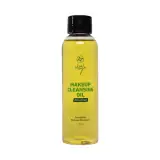
Bangladesh's seasonal transitions create predictable periods of increased allergic skin activity. The transition from dry winter to pre-monsoon spring (February-April) brings high pollen levels as trees and grasses bloom simultaneously after the dormant season — airborne pollen causes both respiratory allergies and contact urticaria in sensitized individuals. During this period, limit time outdoors on high-pollen days, shower and change clothes after outdoor exposure, and keep antihistamines accessible for symptom management. The monsoon season (June-September) brings different challenges — increased mold spore counts, higher dust mite activity in humidity, and insect exposure. The cooling in late October-November can trigger skin barrier changes that increase reactivity. During each seasonal transition, preemptively ensuring your skincare routine is as minimal and gentle as possible reduces the allergic burden on the skin when environmental triggers are elevated. A basic hypoallergenic routine maintained consistently through the year provides better baseline skin resilience than reactive treatment after reactions occur. Discover Makeup Remover for quality choices.
Anti-Allergic Approach to Makeup for Sensitive Skin in Bangladesh
For people with skin allergies or sensitivities in Bangladesh, makeup selection requires as much care as skincare. Makeup products contact skin for extended periods and cover large surface areas — any allergenic ingredient is in prolonged, repeated contact. The most problematic makeup categories for sensitive skin: foundations and concealers with extensive ingredient lists that include multiple potential allergens; pressed powder products that may contain fragrance and colorants; mascaras with fiber components that can migrate and irritate the eye; lipsticks with D&C dyes and fragrances that contact the oral mucosa. Mineral makeup — primarily zinc oxide, titanium dioxide, and iron oxides as both coverage and sun protection — offers the simplest, least allergenic alternative for all face base products. Mineral pressed eyeshadows, mineral blushes, and mineral bronzers avoid the liquid base ingredients that often contain sensitizers. Brands formulating specifically for sensitive and allergic skin — Clinique (fragrance-free, allergy-tested), bareMinerals (mineral-based), and several Korean brands with simple formulations — are increasingly accessible in Bangladesh through online retailers and specialty stores. Shoppers also recommend Lotion.
Patch Testing Protocol for Allergic-Prone Skin
A systematic patch testing approach protects sensitive skin from full-face reactions when introducing new skincare or makeup. The protocol: apply a small amount (coin-sized) of the new product to the inside of the forearm or behind the ear; leave uncovered for 24 hours; if no reaction, repeat for a second 24 hours; then carefully apply a small amount to an inconspicuous area of the face and monitor for 24-48 hours before proceeding to normal use. True allergic reactions typically appear 24-72 hours after exposure (not immediately, which is more characteristic of irritant reactions). For particularly sensitive individuals, testing on the inner wrist rather than arm provides skin more similar to facial sensitivity. During patch testing of a new product, do not introduce any other new products simultaneously — isolation of variables allows accurate identification of the responsible ingredient when a reaction occurs. Documenting which products passed your patch test creates a trusted "safe list" you can confidently use going forward. Check out Baby Powder & Lotion for great picks.