










Mehendi, known globally as henna, is far more than just a temporary dye; it is a profound cultural and ceremonial art form deeply embedded in the social fabric of Bangladesh. From the joyous celebrations of Eid and Puja to the sanctity of a wedding, Mehendi symbolizes good fortune, prosperity, and the vibrant spirit of South Asian traditions. The application of this reddish-brown dye, derived from the powdered leaves of the Lawsonia inermis plant, transforms hands and feet into canvases of intricate beauty, marking life’s most significant milestones.
The Significance and Uses of Mehendi
The history of henna traces back over 5,000 years, with its origins spanning the Indian subcontinent, the Middle East, and North Africa. Originally used for its natural cooling properties in hot desert climates—where a paste would be applied to cool the palms and soles—it evolved into a decorative art form upon the discovery of the dye, lawsone, that binds to the keratin in the skin. Explore RuSu on our store.
In Bangladesh, Mehendi is primarily associated with adornments and celebrations.
- Weddings (Gaye Holud): The Mehendi Shondha (Henna Night) is a central pre-wedding ritual. Intricate designs are applied to the bride’s hands, arms, and feet, often containing the groom’s initials hidden within the pattern. The darkness of the stain is traditionally believed to signify the depth of love between the couple and the good relationship with the mother-in-law. The groom in some regions may also receive simpler designs.
- Festivals: Women and girls passionately adorn themselves with Mehendi for religious festivals like Eid-ul-Fitr, Eid-ul-Adha, and Durga Puja, making the ritual an essential part of the festive preparation.
- Body Art: Beyond ceremonial use, Mehendi is a popular form of temporary, safe body art, appreciated for its beautiful, geometric, and floral patterns that last one to three weeks.
- Medicinal and Cosmetic Use (Hair Dye): Historically and currently, Mehendi has medicinal applications due to its antimicrobial and anti-inflammatory properties, used to treat minor skin conditions and headaches. A major and widespread use, especially in a domestic context, is as a natural hair dye and conditioner. Henna powder is mixed to a paste and applied to the hair to impart a reddish-brown color, cover grey hairs, condition the strands, and promote shine. Some specialized products are also available for coloring nails.
Availability and Best Brands in Bangladesh
Mehendi products are widely accessible across Bangladesh, found in pharmacies, cosmetic stores, local markets, and large online e-commerce platforms like Daraz. Products are generally available in two primary forms: powder and pre-mixed cones. Discover Soothing Gel for quality choices.
Forms of Mehendi:
- Henna Powder (Mehendi Pata Gura): This is the purest form, made from dried and finely milled henna leaves. It is generally preferred for hair coloring and for professional artists who prefer to mix their own fresh, high-quality, 100% natural paste for body art to control the ingredients and achieve the darkest stain.
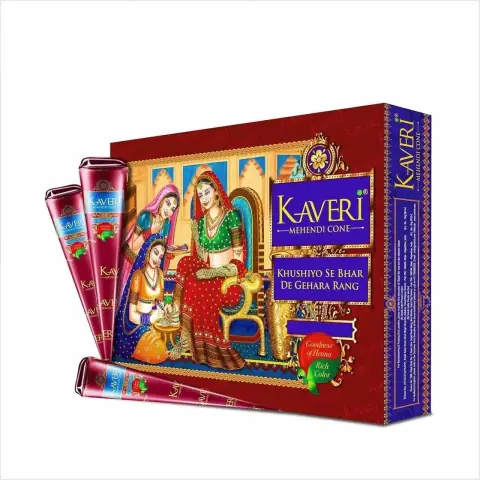
- Ready-to-Use Cones and Tubes: These are the most popular and convenient form for body art, providing a fine nozzle for direct application of intricate designs. They often contain a blend of henna powder, essential oils (like eucalyptus or tea tree), and sometimes a chemical stabilizer or dye (for “instant” color), which warrants caution (see Precautions section).
Popular Mehendi Brands in Bangladesh:
While many local and organic, homemade brands are popular, several established names dominate the market: Shoppers also recommend Eye Primer.
- Mumtaz: A widely recognized brand offering both cone and tube Mehendi, often certified by local bodies like BSTI. They are known for their accessibility and traditional formulations.
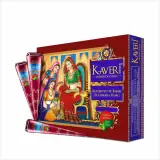
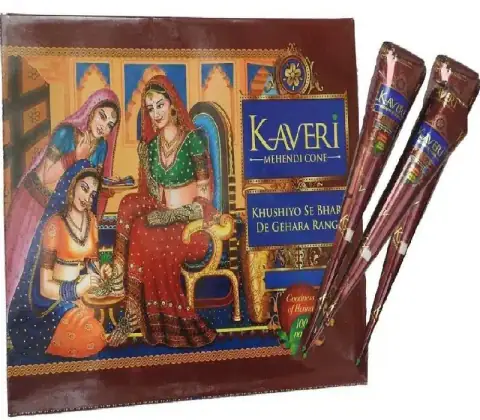
- Kaveri: An Indian brand highly favored for its rich color and reliable quality in ready-to-use cones.
- Neeta Natural: Another brand available in Bangladesh, often sold in multi-packs of natural cones.
- Nisha, Dulhan, and Rani Kone: These brands are also commonly found, offering various cones and powdered options aimed at providing deep color for festive use.
- Hennahub India: Primarily supplies cosmetic-grade Henna powder for hair and professional use, emphasizing quality and organic sourcing.
Mehendi Price in Bangladesh
The price of Mehendi is highly variable, depending on the format, brand reputation, quality of ingredients (especially whether it’s 100% natural or contains instant dye additives), and the quantity.
- Ready-to-Use Cones (Single Piece): Prices for a single, standard Mehendi cone typically range from BDT 40 to BDT 120. High-end organic or specialized bridal cones may cost more.
- Packs of Cones: Multi-packs (e.g., a pack of 6 or 12 cones) are more economical. For instance, a pack of 12 cones from a popular brand might cost between BDT 100 to BDT 400, depending on the brand and size.
- Henna Powder (100g): Henna leaf powder, often used for hair or making fresh paste, is generally priced from BDT 50 to BDT 150 for a 100g packet, with organic or higher-quality powders fetching a higher price.
The local market offers a strong price range, ensuring that Mehendi is affordable for all socio-economic groups, from budget-friendly options to premium natural products. Check out Cotton Pads for great picks.
Application, Aftercare, and Best Stain Practices
Achieving a dark, long-lasting Mehendi stain is a blend of proper application and diligent aftercare. See our Spices collection.
Before Application:
- Preparation: Wash the area to be decorated thoroughly with soap and water to remove any oil, lotion, or residue. The skin must be completely clean and dry, as oils can act as a barrier to the dye.
- Patch Test: Always conduct a small patch test behind the ear or on the inner arm 24 hours prior to full application, especially with a new or unfamiliar product, to check for allergic reactions.
- Exfoliation: Gently exfoliate the skin 24 hours before to remove dead skin cells, allowing the dye to bind better to the fresh skin layer.
During Application:
- Technique: Apply the paste using a cone, ensuring a consistent flow. Traditional designs include intricate nets (Jaali), floral motifs, peacocks, and mandalas.
- Drying: Allow the paste to dry completely, which can take 20 to 30 minutes depending on the humidity. The paste should be semi-dry and cracked, but not flaking off entirely.
- Moisturizing/Setting: To lock in the paste and deepen the color, apply a solution of lemon juice and sugar after the paste is semi-dry. This mixture moistens the paste and helps it adhere to the skin for longer.
Aftercare (Scraping Off):
- Keep it On: The longer the paste remains on the skin, the darker the stain will be. It is recommended to keep it on for a minimum of 4-6 hours, ideally overnight for the darkest results.
- Removal: Do not wash the paste off with water. Use a blunt knife edge, a spoon, or coconut/olive oil to gently scrape the dry flakes of paste off the skin.
- Water/Soap Avoidance: Avoid washing the stained area with water and especially soap for at least 12 to 24 hours. Water interferes with the initial oxidation process of the lawsone dye.
- Heat and Oil: Apply a natural oil like olive or coconut oil, or even a balm like Vicks VapoRub, to the design after scraping. The oil helps to deepen the color. Keeping the area warm, perhaps by wrapping it lightly, also aids in color development.
- Color Development: The initial stain will appear bright orange. The color will naturally darken to its final deep reddish-brown or mahogany shade over the next 24 to 48 hours due to oxidation.
Precautions: The Danger of “Black Henna”
A critical precaution consumers must be aware of is the danger of “Black Henna.” Natural henna is never black. The resulting stain is always a variation of reddish-brown. The black color in many “instant” Mehendi cones is often achieved by adding a chemical dye called Paraphenylenediamine (PPD).
PPD is a toxic chemical that can cause severe, long-lasting allergic reactions, chemical burns, permanent scarring, and lifelong skin sensitization. Always opt for 100% natural, pure henna cones or powder. If a cone promises a deep black color that stains instantly, it is likely adulterated and should be avoided. Always check the ingredient list and buy from trusted sources. A true natural henna paste is greenish-brown and smells earthy. Popular with buyers: Underarm.
Conclusion
Mehendi remains a powerful, beautiful tradition in Bangladesh, intertwining art, culture, and personal expression. Whether it is the simple joy of children decorating their fingers for Eid or the complex bridal motifs signifying a life-changing event, the ritual continues to thrive. By understanding the different brands, price points, and, most importantly, the necessary precautions—particularly against PPD—consumers can ensure a safe and stunning experience with this cherished South Asian art form. The longevity and darkness of the stain will forever be a testament to the care taken and the celebration shared. Find more at Eye Shadow.
Frequently Asked Questions (FAQs)
What is Mehendi made from?
Mehendi paste is made from the dried, powdered leaves of the henna plant (Lawsonia inermis), mixed with an acidic liquid like lemon juice or strong tea, and often an essential oil like eucalyptus or tea tree oil to aid in color release. Worth exploring: Covid 19.
What is the natural color of Mehendi? Customers love Tea in Bangladesh.
The natural, safe color of Mehendi is a range of reddish-browns, starting as orange when the paste is removed and deepening over 24-48 hours. Natural Mehendi is never black.
Is “Black Henna” safe to use? A top choice: Mask.
No. Black Henna is extremely unsafe. It typically contains Paraphenylenediamine (PPD), a chemical dye that can cause severe allergic reactions, chemical burns, and permanent scarring. Always choose 100% natural henna. Don't miss Eyebrows while shopping.
What is the best way to get a dark Mehendi stain?
To achieve a dark stain, follow these steps: Highly rated: Cream.
- Ensure the skin is clean and oil-free before application.
- Leave the paste on the skin for as long as possible (ideally 6-12 hours).
- Keep the paste moist by dabbing a mixture of lemon juice and sugar over it.
- Scrape the paste off gently—do not wash it off with water.
- Keep the area away from water for at least 12 hours after removal.
- Apply a natural oil or balm to the stained skin.
How long does Mehendi last on the skin? Consider Acne Care for your routine.
A good-quality Mehendi stain on the palms and soles typically lasts between one to three weeks before gradually fading due to the natural exfoliation of the skin.
Can men use Mehendi? Trending now: Gift Card.
Yes. While traditionally an adornment for women, men use Mehendi, often for hair coloring and conditioning. For body art, simple patterns are sometimes applied for specific celebratory occasions like weddings. Browse Eyelashes for more options.
Can I use the Mehendi cones meant for skin on my hair?
It is not recommended. Cones formulated for body art may contain additional ingredients and essential oils that might not be ideal for the entire scalp. For hair, use pure henna powder mixed with water or other ingredients appropriate for a hair mask. Explore Digital on our store.
How much does Mehendi generally cost in Bangladesh? Discover Eye Care for quality choices.
A single ready-to-use cone generally costs between BDT 40 and BDT 120. Henna powder (100g) ranges from BDT 50 to BDT 150. Prices vary significantly by brand and product quality.