







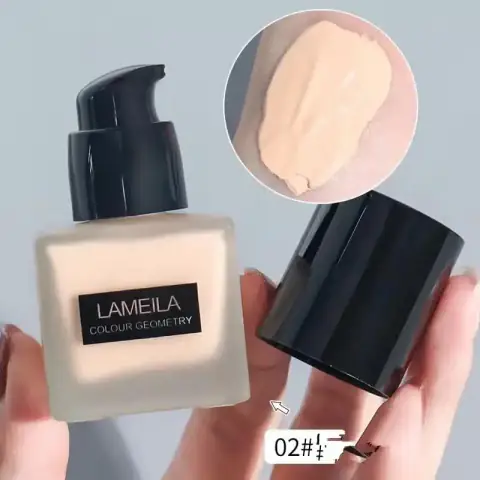
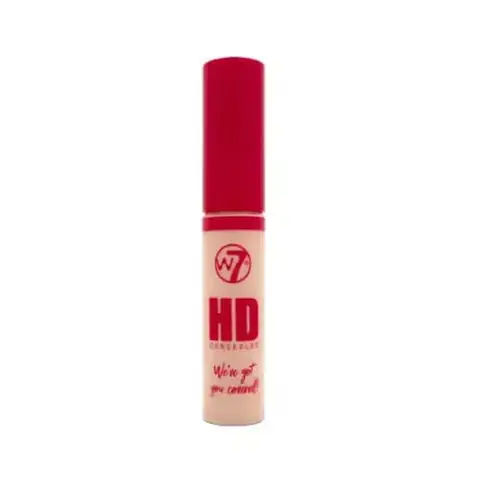
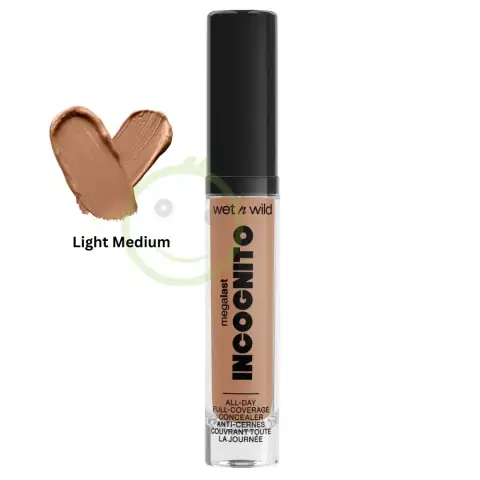
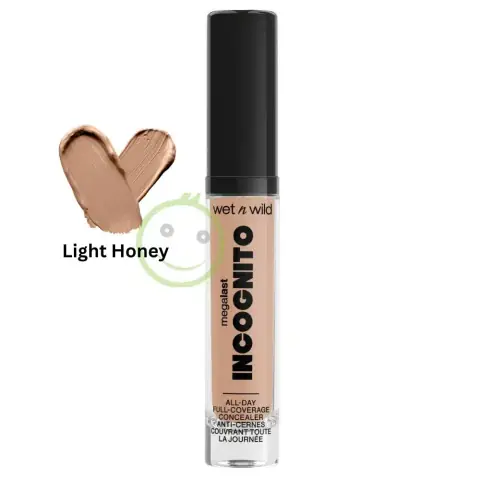
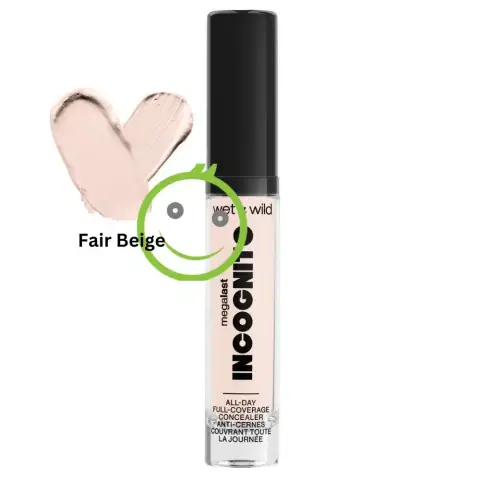
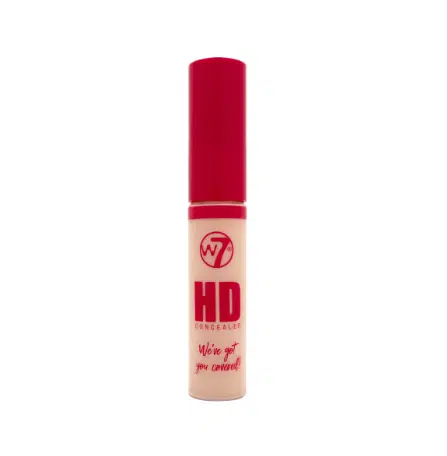
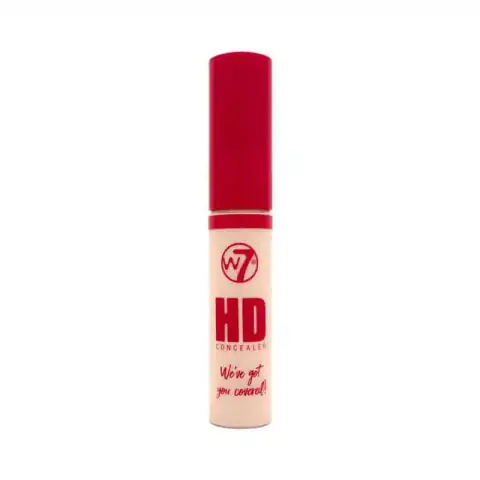
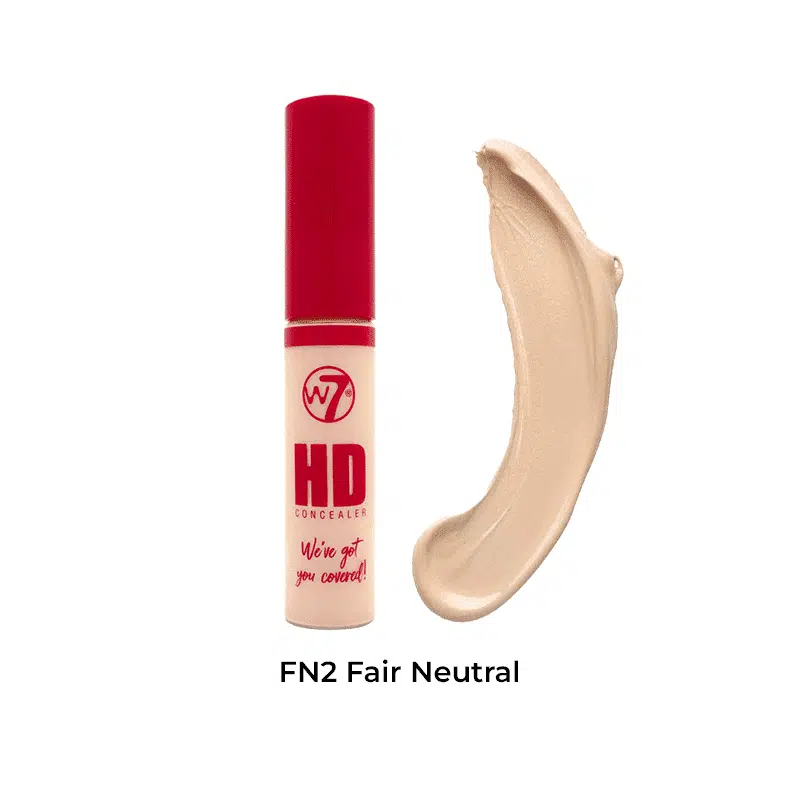
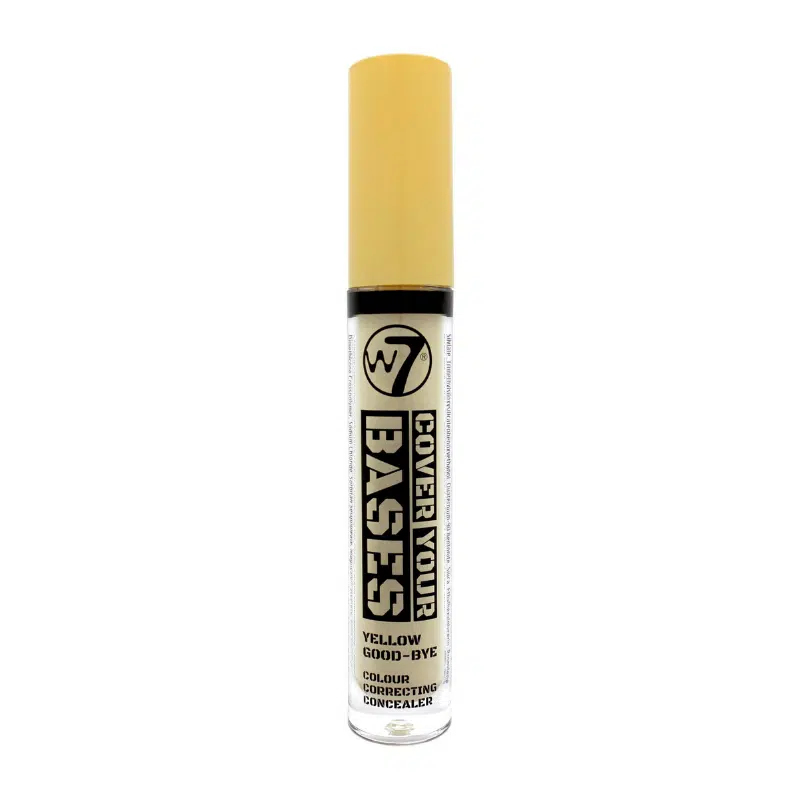
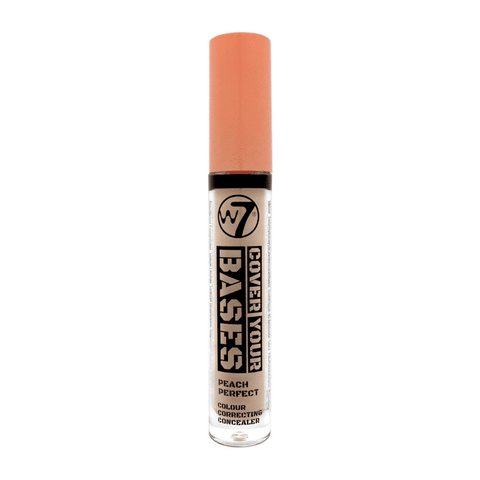
Concealer is often called the most hardworking product in the makeup bag — a targeted, higher-coverage formula designed to address exactly the concerns that foundation doesn't fully cover. From the deep dark circles that genetics and Bangladesh's lifestyle habits create, to the post-acne hyperpigmentation marks so common with South Asian skin, to the active breakouts that appear at the worst moments, concealer applied correctly transforms these specific concerns invisibly. Understanding shade selection, color correction, application technique, and how to make concealer last in Bangladesh's challenging climate unlocks the full transformative potential of this essential product. See our RuSu collection.
Understanding Concealer Types and Formulas
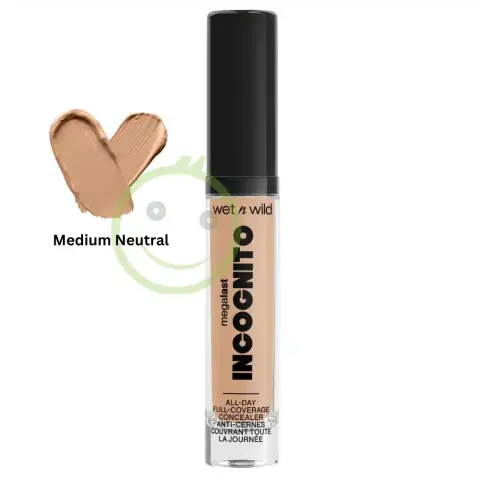
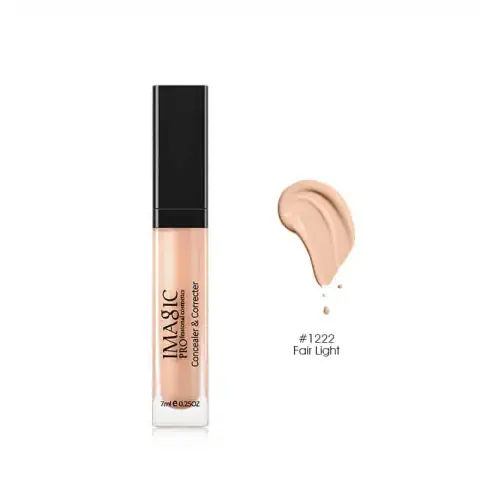
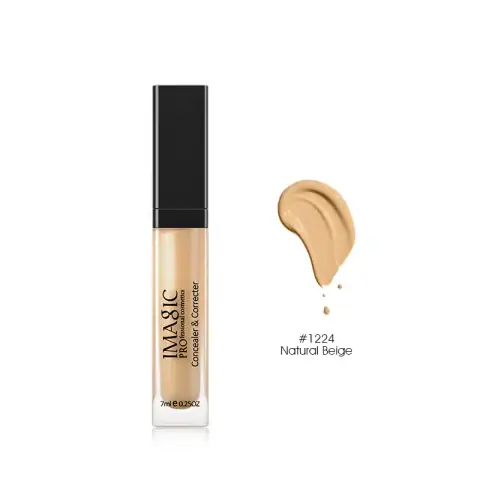
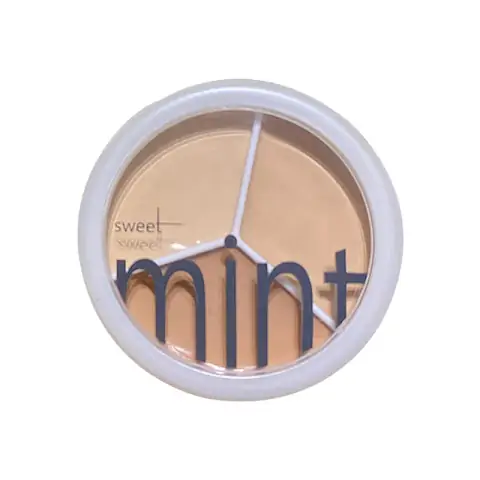
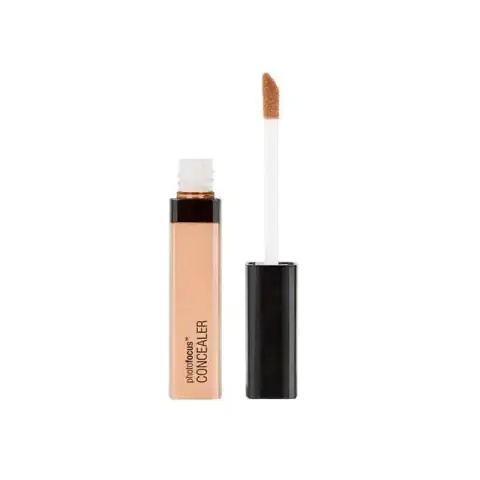
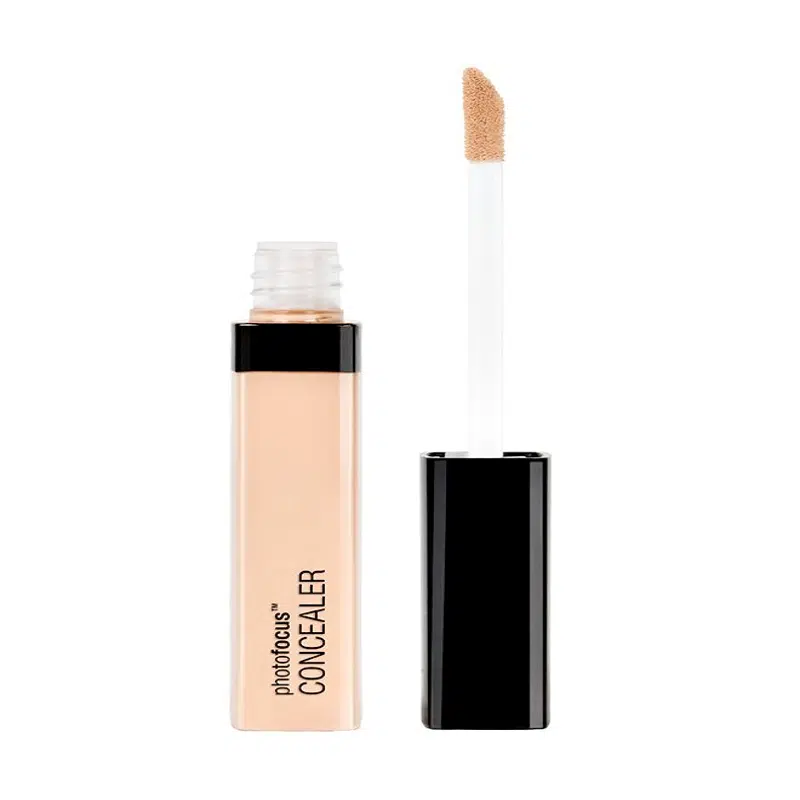
Concealers come in several formula types, each optimized for different areas and concerns. Liquid concealers are the most versatile — they range from lightweight, buildable formulas for everyday under-eye use to high-coverage, full-pigment formulas for covering tattoos and severe hyperpigmentation. Liquid concealers blend most naturally into the skin and are appropriate for both the under-eye and spot coverage. Stick concealers provide high coverage in a waxy, more concentrated formula — they're excellent for spot-concealing blemishes but can look heavy or emphasize texture in the thin skin under the eyes. Pot or cream concealers are rich, full-coverage formulas applied with a small brush — the professional standard for full coverage needs; they stay in place well but require thorough setting with powder to prevent creasing. Popular with buyers: Teeth Care.
Coverage levels: sheer concealers provide light, natural-looking coverage that evens tone without fully concealing — appropriate for even-toned skin needing minimal work. Medium coverage handles most common concerns including mild dark circles and moderate discoloration. Full coverage handles severe dark circles, deep hyperpigmentation, scarring, and anything that needs complete concealment. Buildable coverage (starting light and adding layers for more coverage) is the most elegant approach — you can always add coverage but can't remove it once applied. Worth exploring: Mascara. Find more at Hair Color.
Shade Selection for Bangladeshi Skin: The Most Important Step
Getting the correct concealer shade is more complex than foundation shade matching because concealer serves different purposes in different areas. For spot concealing (blemishes, hyperpigmentation): use a shade exactly matching or slightly lighter than your foundation/skin tone — using lighter concealer on body spots makes them appear highlighted rather than concealed. For under-eye concealing: use a shade 1-2 tones lighter than your foundation to brighten the hollow (the under-eye area naturally falls into shadow because of its recessed position). For color correction (applying a correcting concealer before the skin-toned concealer): Bangladeshi and South Asian dark circles often present as dark brown or bluish-black — a peach or orange-toned color corrector counteracts these dark tones before applying regular concealer on top, dramatically reducing the amount of concealer needed for full coverage. Customers love Online Grocery Shop in Bangladesh.
Common shade mistakes with Bangladeshi skin: choosing a shade that's too light (often from aspirational shade selection or limited shade availability) creates an ashy, gray under-eye area or highlighted spots; choosing a shade that's too dark (picking foundation shade for under-eye use) fails to brighten; and choosing a shade with wrong undertone (cool/pink on warm/golden Bangladeshi skin) creates an unnatural mask effect. Test concealer on the inner wrist — it's closer to the face's tone than the back of the hand — in natural daylight to assess both shade and undertone match before purchasing. A top choice: Cleanser.
Color Correction: The Secret to Easier Concealing
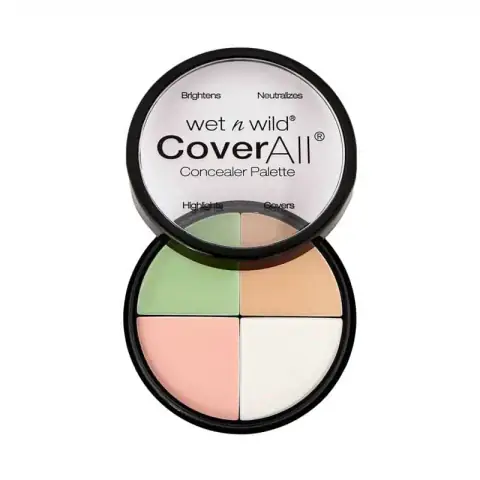
Color correction uses complementary colors (colors opposite on the color wheel) to neutralize specific discolorations before applying skin-toned concealer, reducing the work the concealer needs to do and the amount of product required. For dark circles with blue/purple tones: peach or salmon corrector (particularly for medium to dark skin). For dark circles with deep brown or almost-black tones (most common in Bangladeshi skin): orange or deep peach corrector applied first, then standard concealer. For post-acne red marks (active or healing): green corrector neutralizes redness. For overall dull, sallow tone across the face: lavender primer or corrector adds brightness. Color correctors should be applied in a very thin layer — too much creates a color-intensive look that shows through the concealer rather than correcting beneath it. A tiny amount of corrector does significant work. Highly rated: BB Cream. Don't miss Hair Mask while shopping.
Application Techniques for Natural-Looking Results
The most common concealer mistake is applying too much product. A small amount — a dot the size of a pencil eraser for each under-eye area — is usually sufficient when applied with the right technique and set properly. For under-eye application: apply dots of concealer in an inverted triangle shape under the eye, with the triangle pointing toward the cheek — this shape covers more area and creates a lifting, brightening effect across a larger zone than just applying directly beneath the eye. Blend using a damp beauty sponge with tapping (not dragging) motions — this stipples the product into a thin, even layer that looks most like skin. Consider Pain Relief for your routine.
For spot concealing: use a small flat brush or fingertip to place a small dot directly on the spot; tap gently outward to blend the edges while leaving coverage concentrated on the center of the spot; avoid blending too broadly which spreads the coverage too thin to conceal. For the most durable concealer application that resists Bangladesh's heat: after applying and blending concealer, allow 30-60 seconds to set, then press (don't dust) translucent powder over the area using a damp sponge — this "baking" technique creates a crease-resistant finish under the eye. Brush away excess powder after 3-5 minutes to reveal a smooth, set result. Browse Hair Oil for more options. Trending now: Gel.
Making Concealer Last in Bangladesh's Climate
Concealer in Bangladesh's heat migrates, creases, and fades — particularly in the under-eye area where natural movement and oil accumulate. A multi-step approach for maximum longevity: prep the skin well with moisturizer that has fully absorbed (applying concealer over freshly applied moisturizer reduces adhesion); apply a thin layer of primer or eyeshadow primer to the under-eye area before concealer — this provides a grip layer; apply concealer in a thin layer (rather than one thick layer); set with translucent powder using the baking technique; apply a final setting spray after all makeup is complete. For events in Bangladesh's heat, this full preparation process is the difference between concealer that lasts through the evening and concealer that creases within hours. Explore BB Powder on our store.
Touch-ups during the day should use blotting papers first (to remove excess oil that causes creasing) and then the lightest possible reapplication of concealer — rather than adding product to already-migrated concealer, gently remove with a cotton bud and start fresh on that area if needed. Under-eye creasing is most effectively prevented by preparation rather than correction after the fact — investing in the setting and baking step prevents the need for later touch-ups. Discover Perfume for quality choices.
Concealer for Men in Bangladesh
Men's use of concealer in Bangladesh is a growing but still underrepresented trend — the increasing visibility of male beauty influencers, K-pop culture influence, and broader acceptance of men's grooming and skincare has opened the conversation. Men's concealer use is typically more targeted and minimal than women's: spot-concealing blemishes and redness (particularly relevant for men with active acne, very common in oily-skinned Bangladeshi men); concealing dark under-eye circles associated with long work hours; and evening out localized discoloration. Men's skin is generally thicker and oilier than women's, making mattifying, oil-control concealers with good staying power the most appropriate choice. For men beginning with concealer: start with a small amount applied only where needed using a fingertip, blend thoroughly, and set with a light translucent powder to reduce the appearance of product. "Barely there" coverage is usually the goal — concealing concerns without appearing to be wearing visible makeup is the standard most men aim for in Bangladesh's social context. Check out Hair Removal for great picks. Shoppers also recommend Essential Oil.
Concealer for Specific Skin Concerns in Bangladesh
Bangladeshi skin faces a constellation of specific concerns that different concealer approaches address most effectively. For post-acne marks (post-inflammatory hyperpigmentation, PIH) — one of the most common Bangladeshi skin concerns after acne: choose a full-coverage concealer in the exact skin tone shade (not lighter, which would highlight the area); apply with a small flat brush, tapping rather than dragging; set firmly with translucent powder. Over time, combining daily topical niacinamide with careful concealer use means PIH gradually fades, requiring less coverage. For melasma (hormonal hyperpigmentation common in Bangladeshi women during or after pregnancy): a peach or orange color corrector under a full-coverage, skin-toned concealer followed by setting powder creates the most effective coverage of the brownish-gray melasma patches. For dark circles (extremely common in Bangladesh due to genetic factors, late working hours, and heat-related dehydration): the combination of color correction (peach or orange corrector) + brightening concealer 1-2 shades lighter + thorough setting creates coverage that lasts. For eczema patches and contact dermatitis (where redness and scale are present): use a very gentle, fragrance-free formula applied with clean fingers rather than brushes that irritate compromised skin; avoid setting powder on active eczema areas. See our Blush collection.
Concealer Brushes and Tools for Better Application in Bangladesh
The right tools make concealer application significantly more precise and professional-looking. A small flat concealer brush (4-6mm wide, with flat, synthetic bristles) provides the most precise spot application — the firm, flat bristle structure places concentrated product exactly where needed without spreading. This brush is ideal for covering blemishes and pinpoint dark spots. A medium-sized pointed synthetic brush (sometimes called a "concealer brush" or "detail brush") applies concealer to larger zones like the under-eye area with more precision than a sponge while still allowing blending at the edges. A damp beauty sponge (beauty blender or similar) creates the most natural, skin-like blending — it stipples concealer into the skin for a seamless, no-lines result that looks like very good skin rather than obvious product. For the under-eye area specifically, a damp sponge creates the most undetectable finish for photos and daylight. Cleaning concealer brushes after every use prevents bacteria buildup that transfers to the skin — particularly important for brushes used on blemish-prone areas. In Bangladesh's humidity, leaving brushes unwashed between uses creates a faster bacterial environment than in drier climates — regular cleaning is a hygiene-essential, not just a brush-care step. Popular with buyers: Personal Care.