



















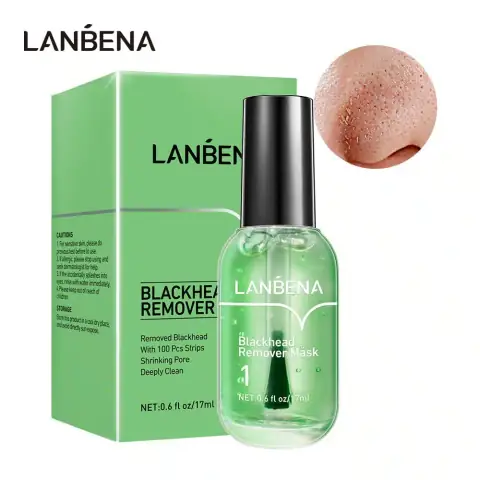
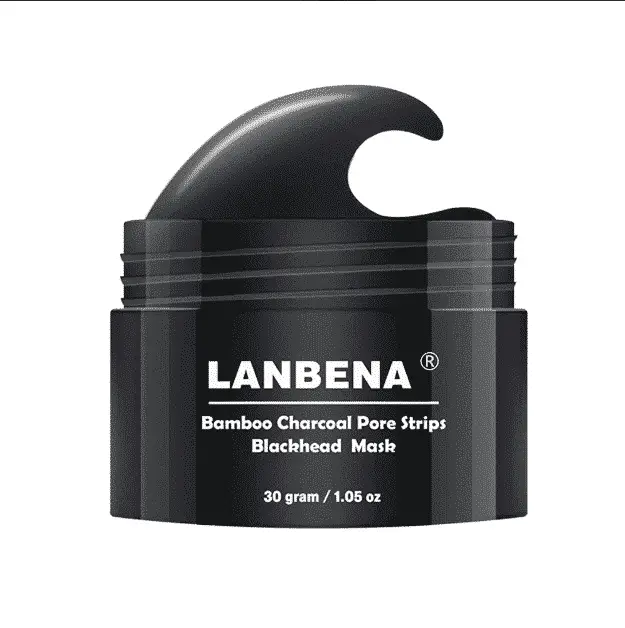
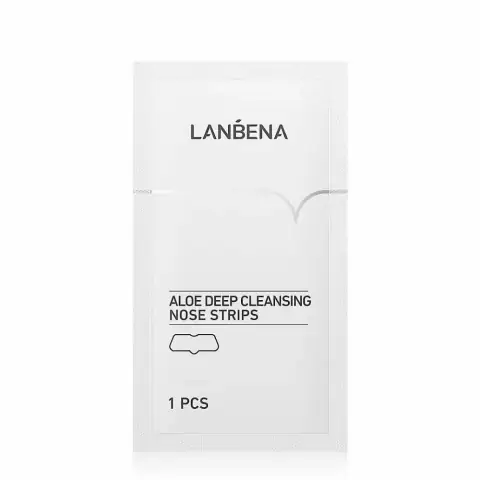
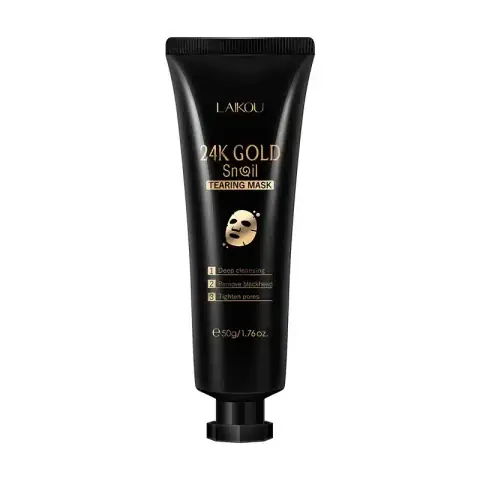
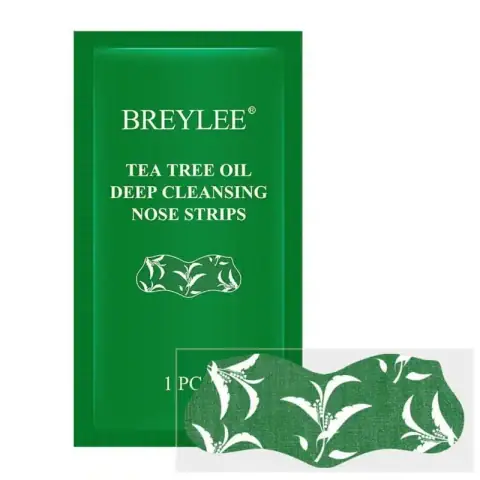
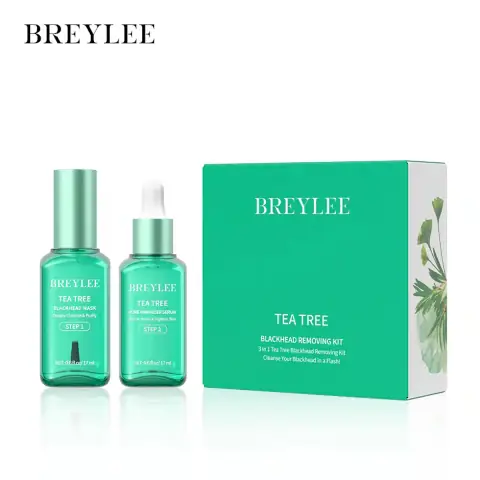
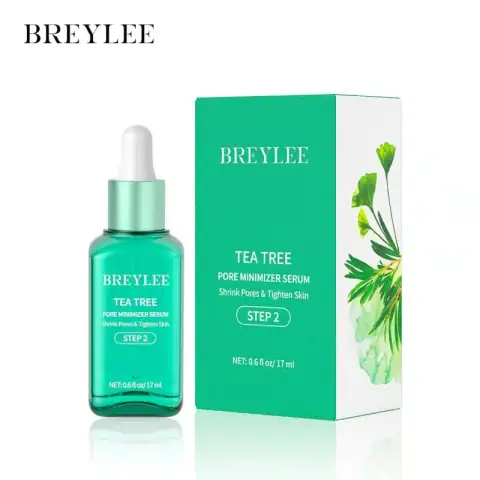
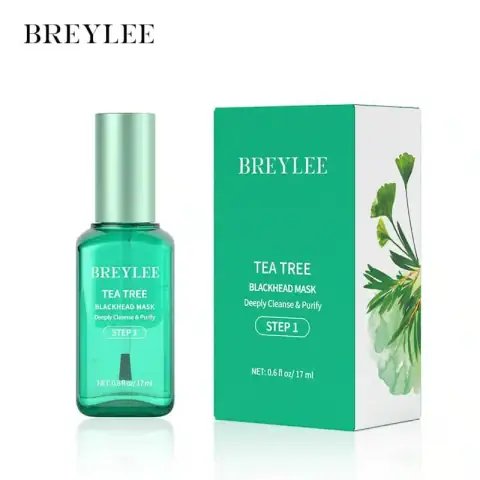
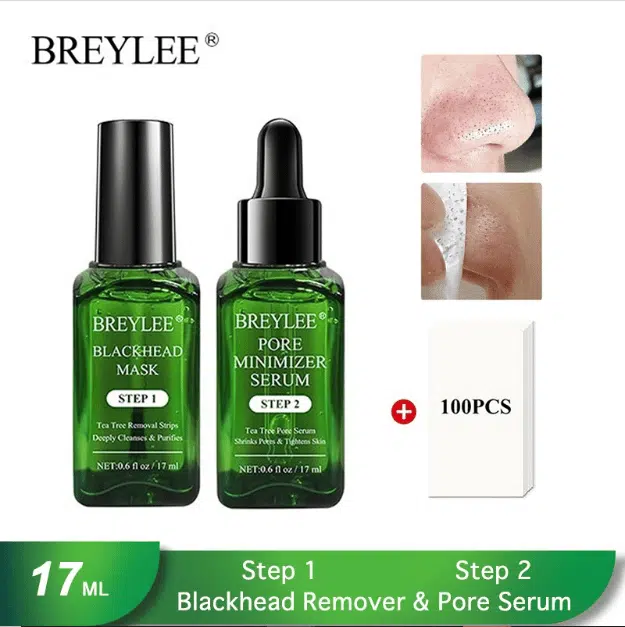
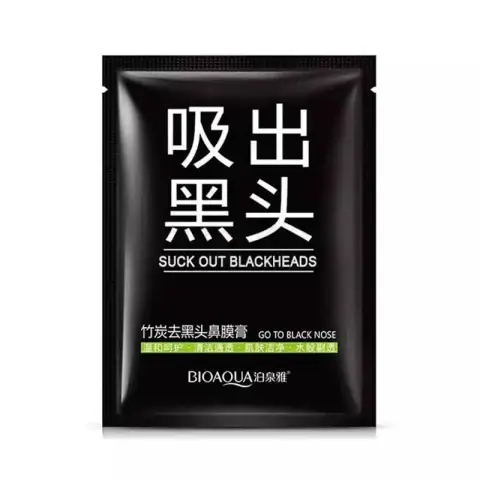
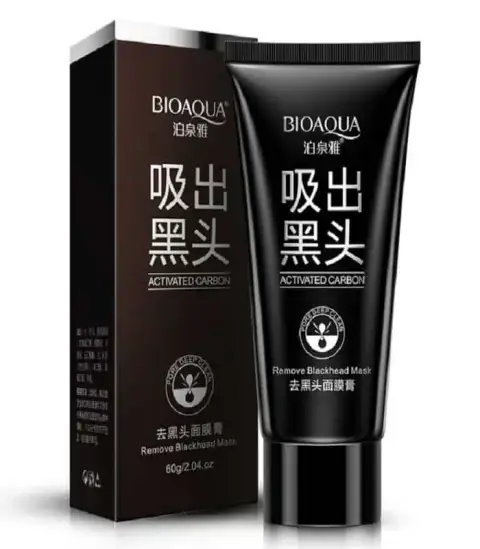
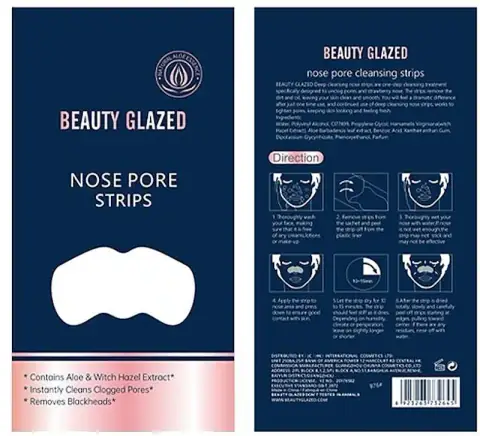
Blackheads (open comedones) are one of the most universally common skin concerns, and they're particularly prominent in Bangladesh's population given the combination of genetic predisposition to larger pores in South Asian skin, high humidity, intense heat, and the environmental pollution of urban centers like Dhaka. A blackhead forms when a pore becomes clogged with sebum (skin oil) and dead skin cells — the top of this plug oxidizes when exposed to air, turning from white to the characteristic dark brown or black color. Contrary to popular belief, the dark color comes from oxidation, not dirt. Blackhead masks have become a cornerstone of pore-care routines precisely because they provide visible, satisfying results for this persistent concern. Customers love RuSu in Bangladesh.
Types of Blackhead Masks and How They Work
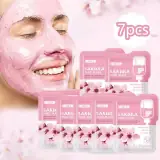
The blackhead mask category encompasses several distinct product types that work through different mechanisms. Clay masks (kaolin clay, bentonite clay, French green clay) are the most traditional and gentle approach. Clay minerals have natural absorbent properties that draw out excess sebum, debris, and environmental impurities from the skin surface and upper pore. They create a physical drying effect that temporarily reduces oil production and pore appearance. For regular use 1-2 times weekly, clay masks are safe and effective for all skin types, particularly oily and combination skin. They do not forcibly extract blackheads but gradually reduce the conditions that cause them. A top choice: Hair Removal.
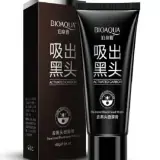
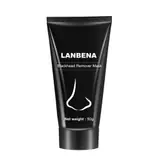
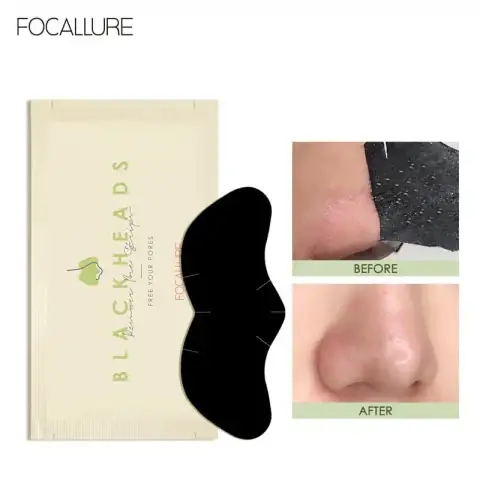
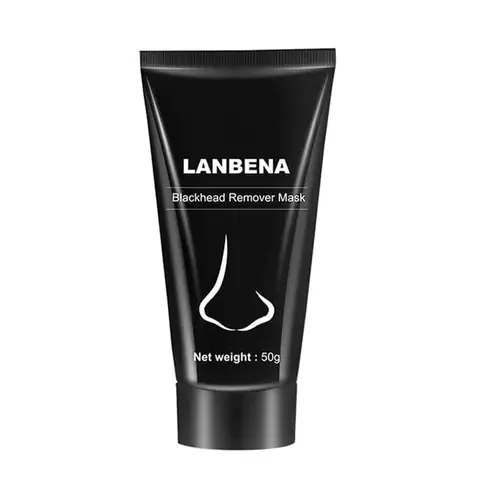
Peel-off masks (often black-colored, containing activated charcoal or PVA glue-like polymers) are the dramatic, visual type popularized on social media. When peeled from the skin, they mechanically pull out the top portions of blackhead plugs — the satisfying dark dots visible on the removed mask. While visually compelling, these masks have a relatively superficial action and can cause irritation, redness, and sensitivity, particularly if pressed too firmly against the skin or removed too aggressively. They're most appropriate for oily, resilient skin types used occasionally (once every 1-2 weeks maximum) rather than as a frequent routine step. Highly rated: Perfume. Don't miss Blush while shopping.
Charcoal masks combine activated charcoal — a highly porous carbon material that adsorbs (attracts and holds onto the surface) impurities and sebum — with clay or gel bases. The charcoal's microscopic surface area provides exceptional oil-absorbing capacity beyond what clay alone achieves, making charcoal masks particularly effective for very oily skin. Salicylic acid masks incorporate BHA (beta hydroxy acid) that penetrates into the pore lining and dissolves the sebum and dead skin that form comedones — addressing blackheads at a chemical level rather than through physical absorption or extraction. These are the most effective treatment option but require more careful use due to the active exfoliant. Consider Essential Oil for your routine.
Building an Effective Blackhead-Fighting Routine for Bangladesh
Using blackhead masks is more effective as part of a consistent routine than as an occasional emergency treatment. A comprehensive pore-care routine for Bangladesh's conditions: double-cleanse in the evening — an oil cleanser first (to dissolve sebum-based blackhead plugs) followed by a gentle foam or gel cleanser (to remove the oil cleanser residue and surface impurities). Use a BHA exfoliant (salicylic acid 0.5-2%) two to three times per week to maintain clear pores between mask treatments — this is arguably more effective at preventing blackheads than masks alone. Apply a clay or charcoal mask once weekly for additional sebum control and debris removal. Use non-comedogenic moisturizer and SPF daily — skipping moisturizer causes skin to overproduce sebum as compensation, worsening blackheads. Browse Bronzer for more options. Trending now: Hair Remover.
In Bangladesh's intense heat and high UV environment, sun damage contributes to pore-wall weakening that increases blackhead formation — consistent SPF use is part of long-term pore management. Choosing lightweight, non-comedogenic formulations for all skincare products (moisturizer, SPF, makeup) prevents the additional product-clogging that exacerbates genetically enlarged pores. Explore Personal Care on our store.
Correct Application for Maximum Blackhead Mask Effectiveness
Getting the most from blackhead masks requires proper preparation and technique. Preparation is critical: steam the face first (a warm shower, or hold the face over a bowl of hot water for 5-10 minutes under a towel) to open pores and soften the sebum plugs, allowing the mask to penetrate and extract more effectively. Cleanse the face before mask application to remove surface makeup and sunscreen. Apply the mask to a clean, slightly damp face in an even layer, avoiding the eye and lip area. Leave on for the recommended time — typically 10-15 minutes; leaving clay masks on longer until they're completely dry and cracking is counterproductive as the over-dried mask can strip too much moisture and cause irritation. Shoppers also recommend Hair Serum. Discover Face Cream for quality choices.
Removal technique matters for clay and peel-off masks. Clay masks: rinse thoroughly with lukewarm water using gentle circular motions — this gentle rubbing provides a secondary light exfoliation. Peel-off masks: peel slowly from the edge inward in one continuous peel rather than yanking sections, which causes less skin irritation. Always follow any blackhead mask with toner and moisturizer to restore the skin's balance and prevent the dryness rebound that triggers more sebum production — the reverse of what you're aiming for. Check out Concealer for great picks.
When Blackhead Masks Are Not Enough
For persistent blackheads that don't respond to regular masking, in-clinic treatments provide more significant results. Professional extractions performed by a trained aesthetician safely and hygienically remove individual blackheads without the infection risk of at-home squeezing. Salicylic acid chemical peels provide deeper pore-clearing than any at-home product. Laser and light treatments tighten the pore walls and reduce sebum production. Retinol used consistently (0.025-0.1%) is the most evidence-backed at-home ingredient for long-term pore minimizing — it accelerates cell turnover, prevents the dead skin buildup that forms comedones, and firms the skin around pores over time. For severe blackhead concentrations that don't respond to routine treatment in Bangladesh, consulting a dermatologist provides access to prescription-strength options and professional treatments. Popular with buyers: Serum. See our Razor collection.
Blackhead Prevention vs. Blackhead Treatment: A Long-Term Strategy
Most people focus primarily on removing existing blackheads without addressing the conditions that continuously produce new ones — a reactive rather than preventive approach that requires perpetual intensive effort. A more effective long-term strategy combines active treatment with ongoing prevention. Prevention: using non-comedogenic products for all skincare and makeup steps (particularly moisturizer and SPF, which are applied daily in large amounts); maintaining a consistent BHA exfoliant use (salicylic acid 1-2% applied 2-3 times weekly prevents the pore clogging that produces blackheads); cleansing thoroughly every evening to remove sebum, product, and environmental buildup; avoiding heavy, pore-blocking ingredients (coconut oil, isopropyl myristate, certain silicones) in daily-use products. When prevention is working well, the need for intensive extraction masks reduces — maintenance becomes easier as the blackhead population stays lower. Bangladesh-specific prevention: controlling oil production in the heat (niacinamide, BHA, oil-control products) and managing the pollution exposure that contributes to pore clogging are essential in Dhaka and other urban environments. Find more at Hair Treatment.
Professional Blackhead Treatments Available in Bangladesh
For persistent or severe blackhead concerns not adequately managed by home care, professional treatments in Bangladesh's growing aesthetics sector provide more significant results. Professional extractions performed in a clinical setting safely remove individual blackheads hygienically without the infection risk of at-home attempts — a single professional extraction session can clear what weeks of masking cannot. Salicylic acid chemical peels (available in medical and aesthetic clinics in Dhaka, Chittagong, and other cities) penetrate deeply into pore linings for professional-strength clearing, with results lasting several weeks. Blackhead-focused facial treatments combining steam, professional mask, and gentle extraction are available at reputable beauty salons and dermatology clinics. Prescriptions for tretinoin (retinoic acid) from a dermatologist provide the most evidence-based long-term pore management — this prescription retinoid prevents new comedone formation at the follicular level more effectively than any over-the-counter product. Customers love Skin Care in Bangladesh. Worth exploring: Contour.
The Role of Diet in Blackhead Formation for Bangladesh
While topical treatments address the symptoms of blackheads, diet influences the underlying causes — sebum production, skin cell turnover rate, and inflammatory response. High-glycemic foods (white rice, white bread, sugary drinks — common in Bangladesh's diet) cause rapid blood sugar spikes that trigger insulin and IGF-1 hormone surges, directly stimulating sebaceous gland activity and increasing sebum production. Research on acne and comedone formation shows consistent associations between high-glycemic diets and increased breakout frequency. Dairy products, particularly skim milk, show associations with acne and comedonogenesis in some population studies, though this varies by individual. On the positive side: omega-3 fatty acids (found in fish — significant in Bangladesh's coastal diet) have anti-inflammatory properties that may reduce the inflammatory component of acne and comedone formation. Antioxidant-rich vegetables and fruits provide the building blocks for skin cell turnover and barrier health. Adequate hydration supports sebum regulation and skin cell function. These dietary factors don't replace topical treatment but may meaningfully reduce the burden that masks and actives need to manage when addressed consistently. A top choice: Anti Allergic.
Maintaining Clear Pores After Blackhead Treatment
The work of maintaining clear pores after successful blackhead treatment is ongoing but becomes easier with the right routine. Once blackheads are cleared through consistent masking and BHA exfoliation, maintenance requires less intensive treatment than initial clearing. A simplified maintenance protocol: BHA exfoliant (salicylic acid) 1-2 times weekly rather than the 3 times weekly used during active clearing; clay or charcoal mask once every 10-14 days rather than weekly; maintaining non-comedogenic daily products consistently. The most common maintenance failure is abandoning the prevention steps (BHA, non-comedogenic products) once the immediate visible blackhead problem is reduced — this allows the conditions to rebuild until another intensive treatment is required. Thinking of pore management as ongoing maintenance rather than a problem to solve-and-finish creates the most sustainable approach. Bangladesh's sebum-stimulating heat means this maintenance is more active than in cooler climates, but a manageable twice-weekly BHA routine provides very effective ongoing pore management when maintained consistently year-round. Don't miss Baby Oral Care while shopping.