





















Why Body Oils Deserve a Place in Your Skincare Routine
Body oils have been used for thousands of years across civilizations — from ancient Egyptian anointing rituals to Ayurvedic abhyanga massage in India. In modern skincare, body oils are experiencing a well-deserved renaissance as people seek richer, more effective alternatives to standard body lotions. Unlike creams and lotions that contain a high percentage of water, body oils deliver concentrated nutrients directly to the skin, locking in moisture and building a protective barrier that keeps your skin supple and radiant throughout the day.
In Bangladesh's tropical climate — where humidity is high and the sun beats down intensely — the right body oil can do wonders: cooling the skin after a shower, protecting against pollution, and preventing the ashy, dry patches that air conditioning tends to cause. Whether you're new to body oils or looking to upgrade your routine, this guide covers everything you need to know. Check out RuSu for great picks.
Types of Body Oils and Their Key Benefits
Sweet Almond Oil
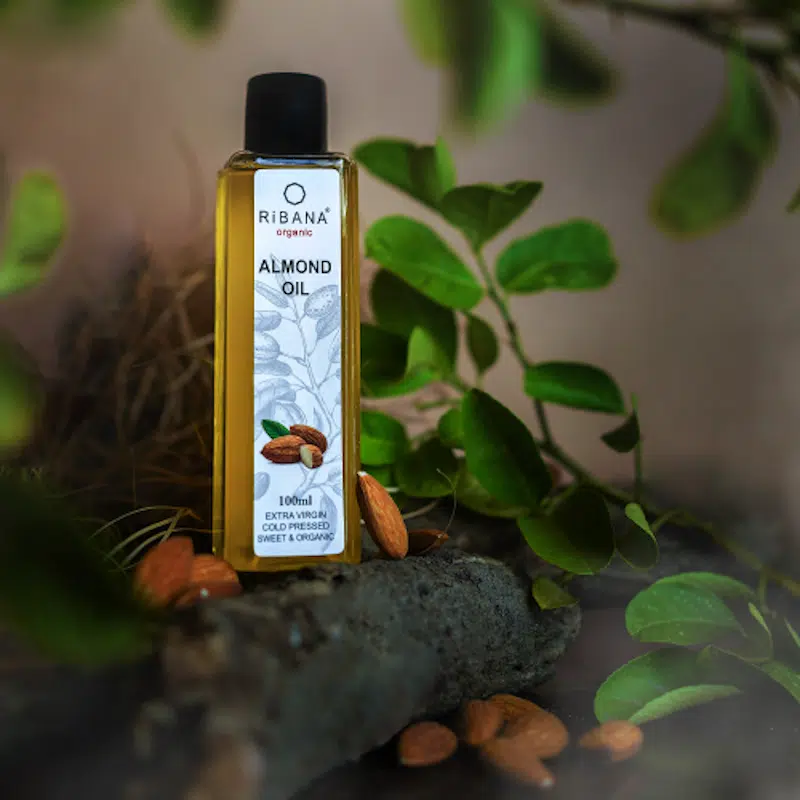
One of the most universally loved body oils, sweet almond oil is lightweight, non-greasy, and packed with vitamins E, A, and B. It absorbs quickly into the skin without leaving a heavy residue, making it ideal for daily post-shower use. Almond oil is particularly effective for softening rough elbows, knees, and heels, and its mild emollient properties make it safe for sensitive and baby skin alike. It also has a gentle, pleasant scent that doesn't overpower perfumes or other products.
Coconut Oil (Body Grade)
Coconut oil is one of the most popular natural body oils in Bangladesh, and for good reason. Its high lauric acid content gives it powerful antibacterial and antifungal properties, making it ideal for preventing body acne, keratosis pilaris, and minor skin infections. As a body moisturizer, coconut oil creates a thick barrier that seals in moisture overnight — excellent for cracked heels and very dry skin. For daytime use, fractionated (liquid) coconut oil is preferred as it absorbs faster and doesn't solidify in cooler conditions. See our Face Makeup collection.
Rosehip Seed Oil
Famous in facial skincare, rosehip oil is equally powerful on the body. Rich in vitamin C, retinoids, and essential fatty acids like linoleic and oleic acid, it helps fade stretch marks, surgical scars, and uneven pigmentation on arms and legs. Regular use visibly improves skin tone and texture over weeks, making it a popular choice for post-pregnancy body care and anti-aging body treatments. Popular with buyers: Bath & Body.
Jojoba Oil
Technically a liquid wax rather than an oil, jojoba closely mimics the skin's natural sebum, making it one of the most compatible body oils for all skin types — including oily and acne-prone skin. It balances sebum production, reduces inflammation, and provides sustained hydration without clogging pores. Jojoba oil is heat-stable and has an impressively long shelf life, making it excellent for DIY body oil blends and massage oils.
Argan Oil
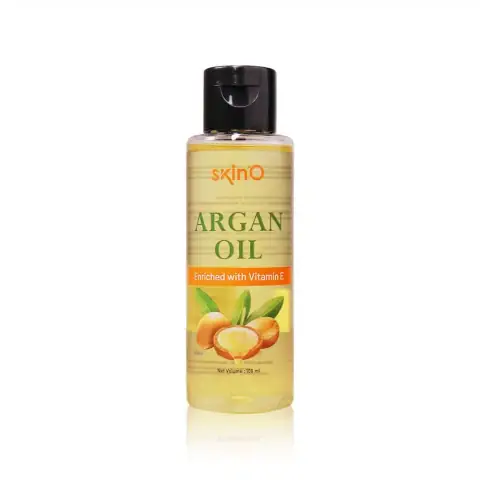
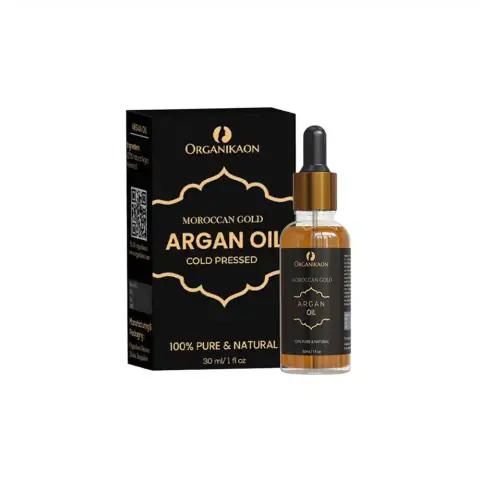
Known as "liquid gold," argan oil is extracted from the kernels of the Moroccan argan tree. While widely used on hair, its body benefits are equally impressive. High in vitamin E, squalene, and polyphenols, argan oil softens skin beautifully, reduces the appearance of stretch marks, and provides antioxidant protection against environmental damage. A little goes a long way, and its non-greasy texture makes it suitable for application before getting dressed. Find more at Lip Balm.
Sesame Oil
Deeply embedded in South Asian traditions, sesame oil is a staple in Ayurvedic body care. Its warming properties make it ideal for cold-weather use and winter massage. Sesame oil is rich in sesamol and sesamin — powerful antioxidants — as well as vitamins E and B. In Bangladesh, sesame oil is often used for joint massage, foot care, and as a base for herbal body preparations. It has a distinctive nutty scent that many find grounding and comforting.
Rose Body Oil
Infused with rose extracts or essential oil, rose body oils offer both skincare benefits and an indulgent sensory experience. Rose has natural anti-inflammatory and antioxidant properties, helping to soothe irritated skin and reduce redness. The romantic floral scent lingers on the skin, making rose body oil a popular choice for special occasions, romantic date nights, and luxury gifting. Many rose body oils also contain additional skin-brightening ingredients like vitamin C and niacinamide. Worth exploring: Mud Mask.
Vitamin E Body Oil
Vitamin E (tocopherol) is one of the most powerful antioxidants for skin health. Vitamin E body oils help neutralize free radicals, prevent oxidative stress, and accelerate skin cell renewal. They are particularly effective at reducing the appearance of scars, dark spots, and stretch marks. Applied regularly to elbows, knees, and heels, vitamin E oil dramatically softens and lightens these commonly darkened areas within a few weeks. Customers love Lip Makeup in Bangladesh.
How to Apply Body Oil for Maximum Effectiveness
The "Damp Skin" Technique
The golden rule of body oil application is to apply it to slightly damp — not dry — skin. After showering or bathing, pat your body gently with a towel leaving some moisture, then immediately massage in your body oil. This technique dramatically improves absorption: the oil helps seal the water molecules into the skin rather than letting them evaporate. You'll notice significantly softer, more hydrated skin compared to applying oil to completely dry skin.
Massage for Circulation and Absorption
Take a few minutes to massage the oil into your skin using upward strokes (toward the heart). This stimulates lymphatic drainage, improves blood circulation, and helps the oil absorb deeper into the skin. Focus on particularly dry areas like elbows, knees, shins, and heels. A 5-minute self-massage with body oil is not just great skincare — it's a simple daily ritual for stress relief and body awareness. A top choice: Beauty Fest.
Layering with Body Lotion
If you prefer extra hydration, apply body lotion first and seal it in with a layer of body oil. The oil acts as an occlusive, locking the lotion's moisture-attracting ingredients into the skin. This is particularly effective for very dry skin, during dry winters, or in heavily air-conditioned environments.
Choosing the Right Body Oil for Bangladesh's Climate
Bangladesh's climate presents unique skincare challenges. The hot, humid summer months (April–September) call for lightweight, fast-absorbing oils like jojoba, almond, and lightweight rose oils that won't feel heavy or clog pores in the heat. During the cooler months (November–February), richer options like sesame, coconut, and vitamin E oil provide the deeper nourishment that drier winter air demands. Don't miss Lip Liner while shopping.
If you're dealing with sweat-prone skin during summer, look for non-comedogenic oils (those that don't clog pores) and apply sparingly. Many people in Bangladesh prefer using body oil in the evening before bed during hot months, allowing the oil to work overnight without causing discomfort during the day. Highly rated: Shampoo & Conditioner.
Body Oil vs. Body Lotion: Which Is Better?
This is one of the most common skincare questions, and the answer is: it depends on your needs. Body lotions are generally better for locking in hydration right after a shower for all skin types, offering a lighter, non-greasy feel. Body oils are superior for targeted treatment of very dry areas, for people with eczema or extremely dry skin, for massage, and for achieving a radiant glow. Ideally, both can be used together for the best results.
DIY Body Oil Blends to Try at Home
One of the joys of body oils is how easy it is to blend them at home for customized skincare. Here are three popular combinations: Consider Makeup Sponge for your routine.
- Glow Blend: 4 tbsp almond oil + 1 tbsp rosehip oil + 10 drops frankincense essential oil — for brightening and anti-aging
- Relaxation Blend: 4 tbsp jojoba oil + 1 tbsp sesame oil + 10 drops lavender essential oil — for a calming evening massage
- Dry Skin Rescue: 3 tbsp coconut oil + 2 tbsp vitamin E oil + 5 drops rose essential oil — for intensive overnight treatment
Always do a patch test with any new blend and store in a dark glass bottle away from sunlight to preserve potency.
Best Practices for Storing Body Oils
Most natural body oils are susceptible to oxidation when exposed to heat, light, and air. Store your body oils in a cool, dark location — a bathroom cabinet away from the shower steam is ideal. Prefer glass bottles over plastic, as some oils can leach chemicals from plastic containers over time. Once opened, most body oils have a shelf life of 6–12 months; rosehip and other vitamin C-rich oils tend to oxidize faster and are best used within 6 months of opening. Trending now: Body Mist.
Shop Our Bath & Body Oils Collection
RuSu brings you a carefully curated selection of premium bath and body oils from trusted brands available in Bangladesh. Whether you're looking for a gentle daily moisturizer, a luxurious self-care treat, or a targeted treatment for dry and rough skin, our collection has something for everyone. Filter by skin type, concern, fragrance preference, and price to find your perfect body oil — with fast delivery across Dhaka and Bangladesh. Browse Lip Oil for more options.
Body Oil Application for Specific Skin Concerns
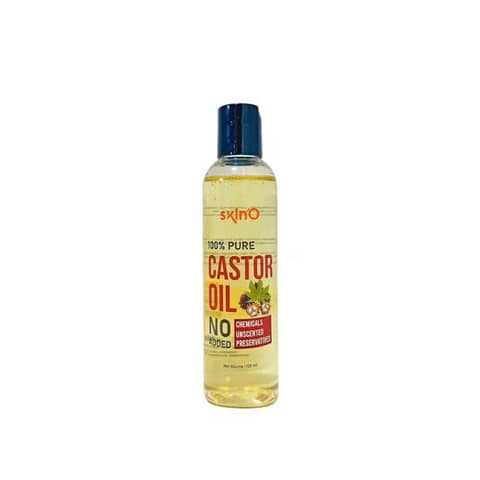
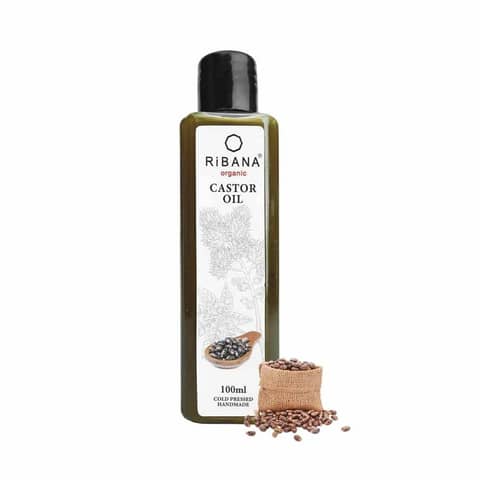
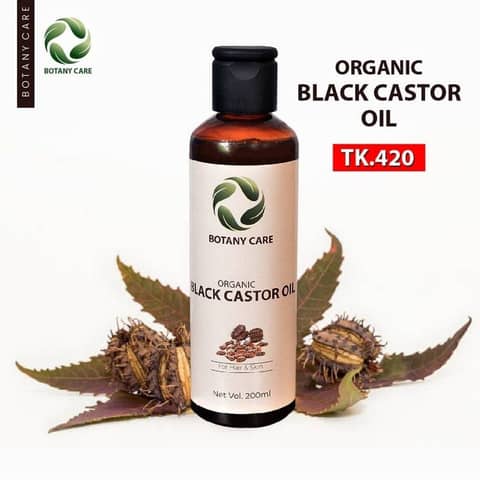
Different body areas have different needs and respond best to targeted oil application. Elbows and knees naturally have thicker, often darker skin — apply a rich oil like castor or vitamin E oil with a slightly firmer massage on these areas nightly for progressive softening and brightening. Cracked heels require intensive treatment: apply thick coconut or castor oil, cover with cotton socks overnight, and repeat for one week for dramatically improved heel texture. Stretch marks respond over time to consistent application of rosehip or bitter almond oil — results take months, but regular application maintains skin elasticity and reduces the appearance of existing marks. Very dry shin and lower leg skin, a common concern in Bangladesh's dry winter months, benefits from sesame or sweet almond oil applied liberally after showering before skin completely dries.
Body Oil for Men: Breaking the Misconception
Body oils are increasingly popular among men for post-workout skin care, beard conditioning, and general moisturization. Lightweight jojoba and sweet almond oil are particularly suited to men's body care — non-greasy textures that absorb quickly without leaving a heavy residue. Body oil is far more effective than thick creams for post-sport moisturization when skin is warm and pores are open from physical activity. Cedarwood, sandalwood, or vetiver-infused body oils provide masculine scent profiles that make body oiling a practical and pleasant grooming habit. In Bangladesh's male grooming market, body oil is an emerging but growing category. Explore Sleeping Mask on our store.
Using Body Oil in the Bath
Adding a few drops of body oil to bathwater is a luxurious practice that delivers full-body moisturization during the bath itself. The oils emulsify with water and deposit a thin layer of oil on the skin as you exit — providing gentle but effective all-over moisturization without requiring separate post-bath application. Use non-fragrance or lightly fragrance oils for this purpose and be very cautious of slipping in the oiled bath. Coconut oil, almond oil, and bath-specific blend oils work particularly well. This approach is especially beneficial for those with very dry or eczema-prone skin who need consistent, gentle moisturization without the effort of full post-bath application.