






Understanding Baby Skin: Why It Needs Special Care
The skin of a newborn is a remarkable but fragile organ. At birth, it is covered by vernix caseosa — a protective white coating — which gradually absorbs into the skin over the first few days of life. Beneath that protective layer, newborn skin is significantly thinner and more permeable than adult skin, with a less mature barrier function and a highly reactive immune response. This means that what you apply to your baby's skin matters enormously.
In Bangladesh, the environmental factors that affect baby skin include high humidity and heat during summer, cooler and drier air in winter, and exposure to dust and pollutants common in urban areas. A comprehensive baby skincare routine using the right products helps your child navigate all of these challenges comfortably. Customers love Baby Powder & Lotion in Bangladesh.
RuSu is committed to providing Bangladeshi parents with access to the best, safest, and most effective baby skincare products available — from global leaders to reliable local brands. A top choice: GLASS.
The Core Baby Skincare Product Categories
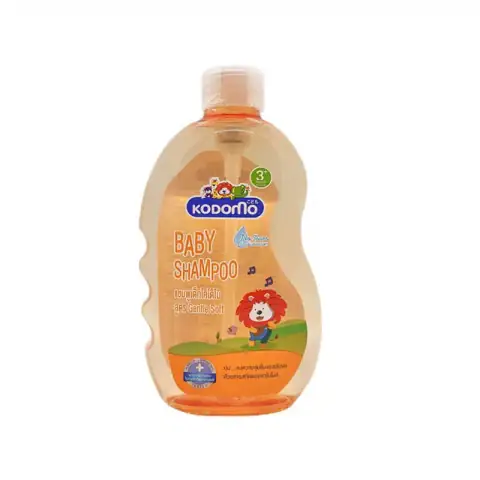
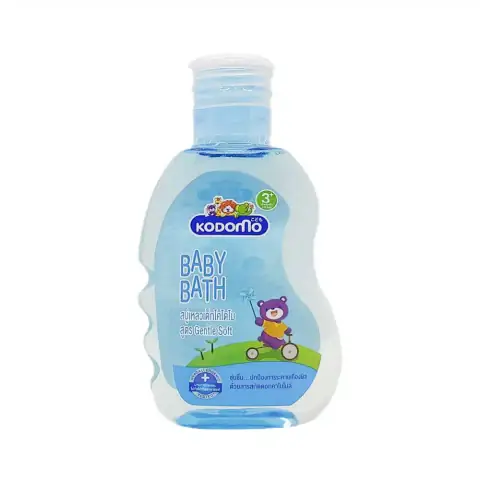
Baby Wash and Shampoo
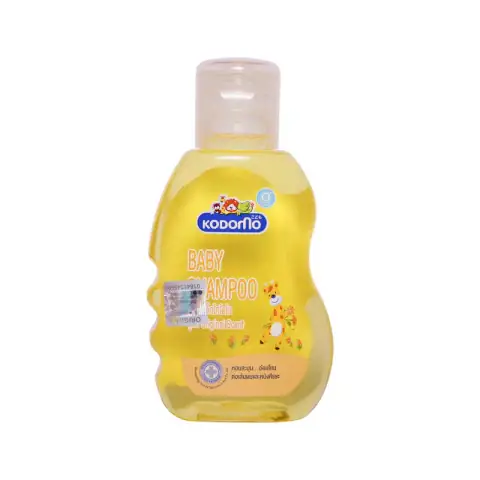
The foundation of any baby skincare routine is a gentle, tear-free baby wash and shampoo. Look for products that are sulfate-free, pH balanced (around 5.5 to match baby skin), and free from parabens, artificial fragrances, and harsh preservatives. For newborns, plain warm water is sufficient for the first week or two; after that, a mild baby wash can be incorporated.
Top recommendations available at RuSu include Johnson's Baby Wash, Sebamed Baby Bubble Bath, Pigeon Baby Shampoo, and Chicco No Tears Shampoo. Don't miss Makeup Setting Spray while shopping.
Baby Moisturizers and Creams
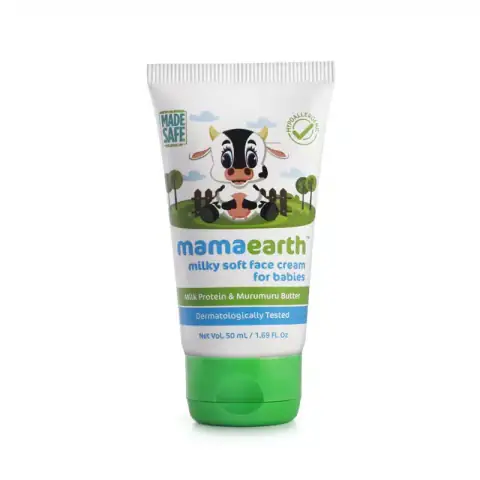
Moisturizing is essential year-round in Bangladesh. During the humid summer months, a lightweight lotion prevents sweat-related irritation while maintaining hydration. In cooler months, a richer cream or balm formula helps protect against moisture loss through the skin barrier. Always apply moisturizer immediately after bathing while the skin is still slightly damp to maximize absorption and lock in hydration. Highly rated: Lotion.
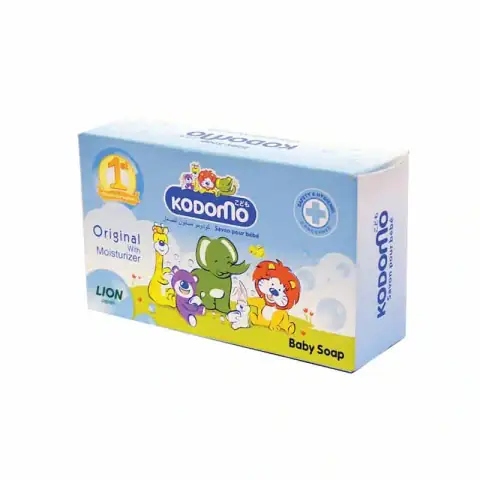
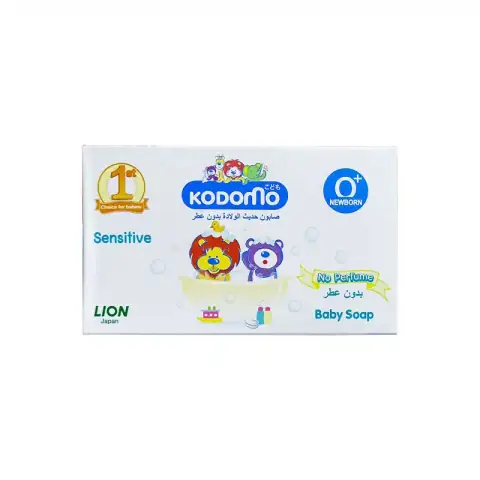
Key ingredients to look for: shea butter, cocoa butter, panthenol (vitamin B5), aloe vera, oat extract, and calendula. Ingredients to avoid: alcohol, mineral oil (in high concentrations), artificial colorants, and strong fragrances. Consider Soap & Bodywash for your routine.
Baby Oil
Baby massage is a beloved tradition in Bangladesh and across South Asia, known to strengthen the bond between parent and child while also improving circulation, aiding digestion, and promoting better sleep. Baby oil is the primary vehicle for massage and comes in various formulations:
- Mineral Oil-Based: The most common and affordable option. Light and non-sticky, it provides an excellent glide for massage. Johnson's Baby Oil is the most popular variant in Bangladesh.
- Natural and Organic Oils: Coconut oil, almond oil, sunflower oil, and olive oil are all traditionally used across Bangladesh. Cold-pressed, unrefined versions retain more nutrients. However, some studies suggest that olive oil and mustard oil (a local favorite) may weaken the baby's skin barrier — consult your pediatrician before regular use.
- Blended Baby Oils: Commercial blended oils combine the best properties of multiple oils with added vitamins and herbal extracts. These are available on RuSu from brands like Pigeon, Himalaya, and Johnson's.
Diaper Rash Cream and Balms
Diaper rash cream is a non-negotiable item in any Bangladeshi baby's care kit. Products containing zinc oxide create a protective barrier on the skin, shielding it from moisture and irritants. Apply a thin layer at each diaper change to prevent rash, or a thicker layer to treat existing irritation. Weleda, Bepanthen, Sudocrem, and Himalaya Baby Diaper Rash Cream are among the top-selling products in this category on RuSu. Trending now: DRESS.
Baby Sunscreen
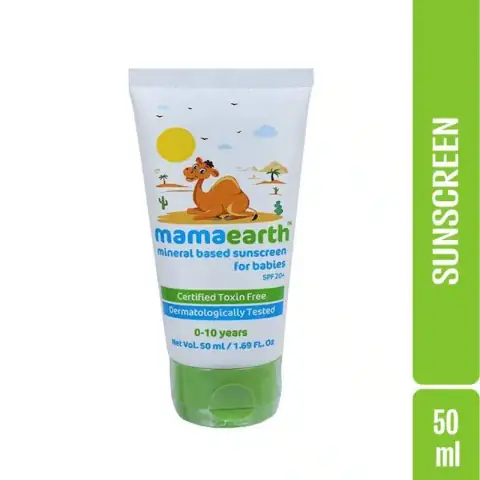
Bangladesh receives intense UV radiation throughout the year, particularly from March to October. While sunscreen is not recommended for babies under six months (the American Academy of Pediatrics recommends keeping young infants out of direct sunlight and using protective clothing instead), older babies and toddlers benefit greatly from a mineral sunscreen with at least SPF 30. Mineral sunscreens containing zinc oxide and/or titanium dioxide are safest for young children as they sit on top of the skin rather than being absorbed. Browse Pressed Powder for more options.
Baby Wipes
Wipes are an everyday essential for diaper changes, face cleaning, and quick freshening up. Choose wipes that are alcohol-free, fragrance-free, and dermatologically tested. Water-based wipes or those with added aloe vera are gentler on sensitive baby skin. Avoid wipes with strong preservatives like methylisothiazolinone, which can cause contact dermatitis.
Building a Daily Baby Skincare Routine
- Morning: Gentle face wipe with a soft damp cloth or baby wipe. Dress baby in clean, breathable cotton clothing.
- Bath Time (every 1–2 days): Use a mild baby wash and shampoo in warm water for 5–10 minutes. Pat dry gently.
- Post-Bath: Apply baby lotion or cream while skin is still slightly damp. Focus on arms, legs, and any dry patches.
- Diaper Changes: Clean, pat dry, apply rash cream as needed, and use a light dusting of baby powder.
- Massage Time: A 15–20 minute baby massage using baby oil 2–3 times a week (or daily for newborns) promotes circulation and relaxation.
- Bedtime: Apply a light moisturizer and dress baby in breathable sleepwear.
Seasonal Skincare Adjustments for Bangladeshi Babies
Summer (March–October)
Bangladesh's summer brings intense heat and humidity. During this period, prioritize light, non-comedogenic moisturizers, use baby powder in skin folds to prevent prickly heat, dress your baby in light cotton, and ensure good ventilation in sleeping areas. Bathe your baby once or twice daily if needed to combat sweating and discomfort. Explore Mehndi on our store.
Winter (November–February)
The cooler months can bring dryness, especially for babies born in this season. Switch to a richer moisturizer or baby cream, and apply oil before bathing to prevent the bath from stripping too much moisture. Keep the room humidified if possible, and dress baby in soft, breathable layers. Discover Eye Makeup for quality choices.
Signs That a Baby Skincare Product Is Not Right for Your Baby
- Redness, hives, or rash appearing after product application
- Unusual dryness or flaking in areas where product was applied
- Baby becomes unusually fussy or uncomfortable during or after skin care
- Persistent crying or rubbing of the treated area
If any of these signs appear, discontinue the product immediately, cleanse the area with warm water, and consult your pediatrician. Always keep a record of new products you introduce to help identify potential allergens. Shoppers also recommend Accessories.
Why RuSu Is the Best Place to Buy Baby Skincare in Bangladesh
RuSu offers the most comprehensive range of baby skincare products in Bangladesh, with genuine items from global and local brands, transparent ingredient listings, and detailed product descriptions that help you make informed choices. Our platform makes it easy to compare products by price, brand, skin concern, and customer ratings. With secure payment options, cash on delivery, and fast shipping to all major districts, RuSu is the trusted shopping partner for parents across Bangladesh. Browse our baby skincare collection today and give your little one the gentle care they deserve.
Baby Skincare Essentials for Bangladesh's Climate
Infant skin requires fundamentally different care than adult skin, and Bangladesh's climate creates specific considerations for baby skincare. Newborn skin is approximately 30% thinner than adult skin, has less developed barrier function, and a higher surface-area-to-body-weight ratio that makes topical product absorption both easier and more potentially concentrated than in adults. The clinical recommendation for newborn skincare in Bangladesh: minimize product use in the first weeks of life; plain lukewarm water bathing is appropriate for the first month; when cleansing agents are introduced, choose products specifically tested for infant use with pH near 5.5 (matching the developing acid mantle), free from fragrance, dyes, and harsh surfactants. Sunscreen for infants under 6 months is not recommended by most pediatric authorities — keep infants out of direct sun and use physical protection (clothing, shade, hats) rather than topical SPF on newborn skin. After 6 months, mineral SPF (zinc oxide) specifically formulated for babies is appropriate for sun-exposed outings in Bangladesh's high UV environment. Check out Primer for great picks.
Protecting Baby Skin from Bangladesh's Environmental Challenges
Bangladesh's environment creates specific threats to infant skin health that parents should actively address. Bangladesh's mosquito population is dense and year-round, with malaria, dengue, and chikungunya transmitted by Aedes and Anopheles species — protecting infant skin from mosquito bites is both a comfort and a serious health measure. For infants under 2 months: DEET-containing repellents are not recommended; use physical protection (mosquito nets, appropriate lightweight clothing, and avoiding peak mosquito activity times at dawn and dusk). For infants 2 months and older: repellents containing up to 30% DEET, picaridin, or IR3535 are safe when applied per instructions (not on hands, around eyes or mouth, or under clothing); natural repellents (citronella, eucalyptus) have variable effectiveness and lower safety documentation for infants than DEET products at appropriate concentrations. Heat rash (miliaria, prickly heat) is common in Bangladesh's infant population due to the heat and humidity — preventing by keeping infants cool with lightweight breathable clothing, maintaining air circulation, and using fragrance-free, cooling body powder or lotion at skin folds (neck, groin, armpits) where heat rash most commonly develops. See our Moisturizers collection.
Common Infant Skin Conditions in Bangladesh and Care
Several common infant skin conditions in Bangladesh require specific care approaches. Cradle cap (infantile seborrheic dermatitis) — scaly, yellowish patches on the scalp — is common and typically resolves without treatment, but gentle care with a soft brush and mild baby shampoo manages the appearance. Applying a small amount of baby oil before bathing softens the scales for easier removal. Eczema (atopic dermatitis) — red, itchy, dry patches that can appear anywhere but commonly on cheeks and skin folds — is the most common chronic skin condition in infancy and is aggravated by Bangladesh's heat and sweat. Management: keep skin moisturized consistently with a thick, fragrance-free emollient; avoid known triggers (heat, rough fabrics, certain soaps); consult a pediatrician if severe. Milia (tiny white bumps, commonly on the nose and cheeks of newborns) require no treatment and resolve naturally within weeks. Infant acne (small pimples appearing at 2-4 weeks) is caused by maternal hormones and resolves within weeks without intervention — do not attempt to squeeze or treat with adult acne products. Diaper rash responds to barrier cream (zinc oxide paste), frequent diaper changes, and brief "air time" allowing the skin to dry between changes — most diaper rash in Bangladesh resolves within 3-5 days of consistent barrier cream use.