















The Inside-Out Approach to Beauty
True beauty is not just skin deep — it begins at the cellular level. The health of your skin, hair, and nails is fundamentally determined by what's happening inside your body: your nutrition, hydration, sleep, hormonal balance, and metabolic processes. No amount of topical skincare can fully compensate for nutritional deficiencies or chronic health issues that manifest on the surface of the skin and body.
This is the philosophy behind "beauty from within" — a growing movement that combines traditional nutritional wisdom with modern nutraceutical science to support radiant skin, lustrous hair, strong nails, and overall vitality from the inside out. In Bangladesh, where dietary patterns are sometimes insufficient in key micronutrients and where the demands of modern lifestyle (stress, pollution, irregular diet) are high, targeted health and beauty supplementation is increasingly relevant. Highly rated: RuSu.
This guide explores the most important health and beauty supplements, how they work, what the science says, and how to choose quality products for your specific concerns. Consider Tea for your routine.
Biotin: The Beauty Vitamin
Biotin (vitamin B7) is arguably the most well-known beauty supplement, widely associated with stronger nails, healthier hair, and improved skin. Biotin is a water-soluble B vitamin that plays a crucial role in the metabolism of fatty acids, amino acids, and glucose — processes fundamental to the production of keratin, the protein that makes up hair, nails, and the outer layer of skin. Trending now: Mask.
What the Research Says
Clinical evidence most strongly supports biotin supplementation for nail health — multiple studies show significant improvement in nail thickness and firmness in people with brittle nail syndrome taking biotin supplements. For hair, evidence is strongest in people with diagnosed biotin deficiency (which causes hair loss); for those without deficiency, benefits are less certain but commonly reported anecdotally. Biotin is very safe — as a water-soluble vitamin, excess is excreted in urine rather than accumulated. Browse Eyebrows for more options.
Dosage and Usage
The adequate intake for biotin is 30-100 mcg daily. Supplements often contain much higher amounts (2,500-10,000 mcg) which are generally considered safe but not necessarily more effective than lower doses for those without deficiency. Note: very high-dose biotin can interfere with certain laboratory tests (thyroid, hormone, cardiac tests) — inform your doctor if taking high-dose biotin before any blood tests. Explore Digital on our store.
Collagen: Supporting Skin Elasticity and Youthfulness
Collagen is the most abundant protein in the human body, making up roughly 75-80% of the skin's dry weight. It forms the structural scaffold that keeps skin firm, elastic, and plump. From our mid-20s onward, collagen production declines at approximately 1-1.5% per year — contributing to the visible signs of aging: fine lines, loss of firmness, crepey texture, and sagging. Discover Acne Care for quality choices.
Hydrolyzed Collagen Peptides
Hydrolyzed collagen (collagen peptides) supplements are collagen that has been broken down into smaller amino acid chains that can be absorbed through the digestive system. Once absorbed, these peptides stimulate fibroblasts (the cells that produce collagen) in the skin to produce more collagen. Clinical studies consistently show improvements in skin hydration, elasticity, and reduction of fine lines after 8-12 weeks of daily supplementation with 2.5-10g of hydrolyzed collagen. Shoppers also recommend Gift Card.
Types of Collagen
- Type I collagen: Most abundant in skin, hair, and nails — most relevant for beauty supplementation
- Type II collagen: Found in cartilage — more relevant for joint health
- Type III collagen: Found alongside type I in skin and muscles
- Marine collagen: Derived from fish, considered highly bioavailable and particularly popular for skin
- Bovine collagen: From cattle, provides both type I and III
Vitamin C: The Collagen Booster
Vitamin C (ascorbic acid) is absolutely essential for collagen synthesis — it's a required cofactor for the enzymes that stabilize the collagen structure. Without adequate vitamin C, collagen cannot be properly formed or maintained in the body. Beyond its role in collagen production, vitamin C is one of the most powerful antioxidants, protecting against the oxidative damage from UV radiation and pollution that breaks down collagen and accelerates skin aging. Check out Eyelashes for great picks.
While many people in Bangladesh get vitamin C from diet (citrus fruits, guava, tomatoes, bell peppers), the high amounts used therapeutically for skin health often exceed what diet alone provides. Supplementing with 500-1000mg vitamin C daily supports both collagen synthesis and antioxidant defense. See our Electronics collection.
Vitamin E: Antioxidant Protection
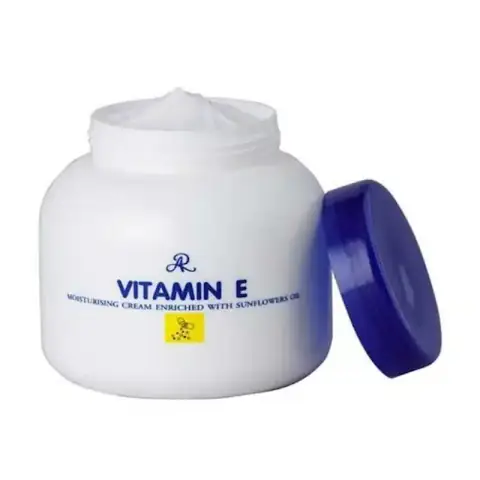
Vitamin E (tocopherol) is a fat-soluble antioxidant that protects cell membranes from oxidative damage. In the skin, it works synergistically with vitamin C to neutralize free radicals from UV and pollution exposure, preventing collagen breakdown and premature aging. Vitamin E also helps maintain skin barrier function and moisture retention. When taken alongside vitamin C, both provide greater combined antioxidant protection than either alone. Popular with buyers: Eye Care.
Omega-3 Fatty Acids: Skin's Nutritional Foundation
Omega-3 fatty acids (EPA and DHA, primarily from fish oil) play a fundamental role in maintaining the skin's lipid barrier — the protective layer that prevents trans-epidermal water loss and keeps skin hydrated. Omega-3 supplementation has demonstrated benefits for inflammatory skin conditions like eczema and psoriasis, acne (by reducing the inflammatory component), and general skin hydration. In a diet where oily fish consumption is sometimes low, fish oil supplements represent an accessible way to ensure adequate omega-3 intake. Find more at Computer.
Zinc: The Acne Fighter and Wound Healer
Zinc is a trace mineral critical for skin health, playing roles in immune function, protein synthesis, wound healing, and controlling sebum production. Zinc deficiency is associated with acne, delayed wound healing, and impaired barrier function. Studies show that zinc supplementation significantly reduces inflammatory acne — in some trials, performing comparably to low-dose antibiotics without antibiotic resistance concerns. Zinc also supports the production of enzymes that process and repair UV-damaged skin. Worth exploring: Eyeliner.
Iron: Preventing Hair Loss
Iron deficiency is one of the most common nutritional deficiencies globally and a leading cause of diffuse hair loss (telogen effluvium) — particularly in women of reproductive age. In Bangladesh, where iron deficiency anemia is prevalent, iron-related hair loss is a common but often misidentified concern. Hair follicles are highly metabolically active and among the first to lose nutrient supply when iron stores are depleted. Supplementing under medical guidance (with a blood ferritin test to confirm deficiency) can significantly improve hair growth and reduce shedding. Customers love Hair Care in Bangladesh.
Probiotics: The Gut-Skin Axis
Emerging research points to a bidirectional relationship between gut health and skin health — the "gut-skin axis." Gut microbiome imbalances are increasingly linked to inflammatory skin conditions like acne, rosacea, eczema, and psoriasis. Probiotic supplements that support a diverse, balanced gut microbiome may help reduce systemic inflammation that manifests in the skin. This is an exciting and rapidly growing area of beauty nutrition research. A top choice: Face Care.
Choosing Quality Health & Beauty Supplements
With so many products on the market, quality varies enormously. When selecting supplements: Don't miss Gaming Headphone while shopping.
- Look for third-party tested or certified products
- Check for allergens and unnecessary fillers
- Choose clinically studied doses — not just "a trace amount" of key ingredients
- Consult a doctor or nutritionist before starting supplements, especially if you have existing health conditions or take medications
- Set realistic expectations — most supplements require 8-12+ weeks of consistent daily use before results are visible
Shop Health & Beauty at RuSu
Browse our curated health and beauty supplement collection at RuSu — featuring biotin, hydrolyzed collagen, vitamin C, vitamin E, omega-3, zinc, iron, and comprehensive beauty multivitamins from trusted brands available in Bangladesh. Support your skin, hair, and nail health from within with quality nutraceuticals, delivered fast across Dhaka and Bangladesh. Highly rated: Kajal.
Adaptogens for Stress-Related Beauty Concerns
Chronic stress is one of the most significant factors affecting skin, hair, and nail health — and Bangladesh's fast-paced urban environment creates considerable stress for many people. Cortisol, the primary stress hormone, breaks down collagen, triggers inflammation, disrupts the skin barrier, and can cause hair loss (telogen effluvium — where stress pushes large numbers of hair follicles into the resting/shedding phase simultaneously). Adaptogenic herbs and supplements have gained scientific interest for their ability to modulate the stress response: Ashwagandha (shown in clinical studies to reduce cortisol significantly), Rhodiola rosea (reduces physical and mental fatigue), Tulsi (holy basil — traditional in Bangladeshi Ayurvedic practice), and Reishi mushroom. These botanicals don't treat beauty concerns directly but address a fundamental root cause — chronic stress — that drives many skin and hair problems. Consider Kids & Baby for your routine.
The Role of Sleep in Beauty: The Original "Beauty Sleep"
The cliché of "beauty sleep" is grounded in physiology. During sleep, the body enters its primary repair and regeneration mode. Human growth hormone, released predominantly during deep sleep, stimulates cell renewal and repair across all tissues — including skin. Melatonin (the sleep hormone) is also a powerful antioxidant that neutralizes free radical damage in skin cells during the night. Collagen production peaks during sleep. Trans-epidermal water loss is higher during wakefulness than sleep — the skin rehydrates more effectively overnight. Consistently poor sleep (under 6 hours) measurably increases skin water loss, reduces skin barrier function, increases inflammatory markers, and accelerates visible aging — all documented in clinical research. No supplement can fully compensate for chronically inadequate sleep. Prioritizing 7-8 hours of quality sleep is the most impactful, completely free beauty intervention available. Trending now: Hand Care.
Hydration: The Foundation of All Beauty
Adequate water intake is the most fundamental beauty supplement of all — and the most overlooked. The skin is approximately 64% water. When systemic hydration is insufficient, skin becomes visibly less plump, fine lines appear more pronounced, skin feels tight and rough, and overall radiance diminishes. In Bangladesh's heat, adequate hydration is even more critical as fluid loss through sweat is significantly higher than in temperate climates. Beyond water, electrolyte balance (sodium, potassium, magnesium) affects skin hydration at the cellular level — particularly important during intense heat and physical activity. Coconut water, widely available in Bangladesh, is an excellent natural electrolyte beverage. Hydration-supporting supplements like electrolyte powders, hyaluronic acid (which holds 1000x its weight in water in the body), and vitamin C (which supports the connective tissue that retains water) all complement adequate fluid intake.