

















Tea and Wellness: A Relationship Steeped in Centuries
Tea has been consumed for over 5,000 years, and modern science continues to validate what traditional healers have long known—that certain teas offer remarkable benefits for physical and mental health. In Bangladesh, tea (cha) is woven into the fabric of daily life; from morning karak at a roadside stall to afternoon green tea in an office pantry, it is the country's most beloved beverage. But beyond the familiar milk tea, a vibrant world of health and beauty teas is gaining momentum among wellness-conscious Bangladeshis who want their daily cup to do more than taste good.
RuSu's tea category brings together some of the finest health and beauty teas available—green tea, white tea, herbal infusions, detox blends, and beauty teas—all shipped fast to your home or office anywhere in Bangladesh. Find more at Pain Relief.
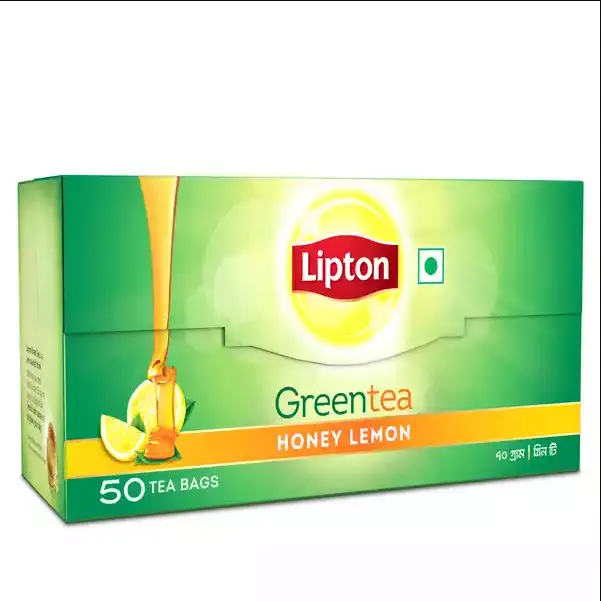
Green Tea: Bangladesh's Favourite Wellness Brew
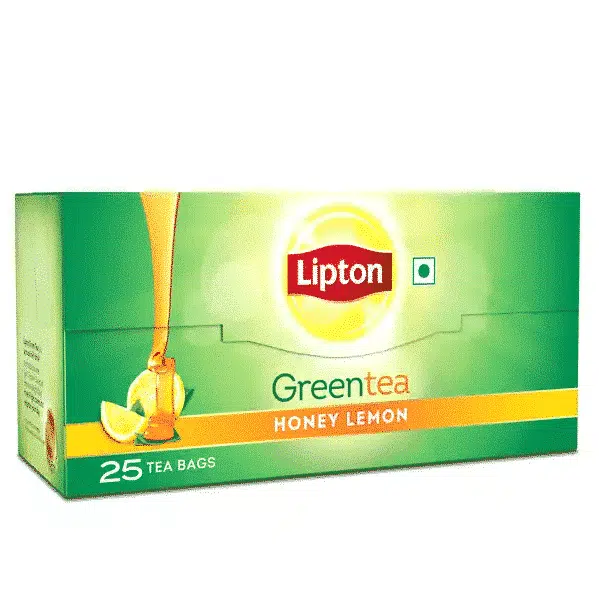
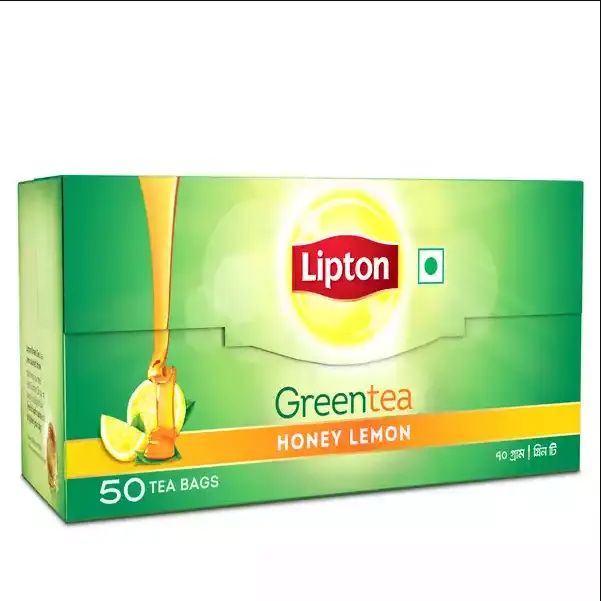
Green tea is arguably the most researched beverage in nutritional science. Made from Camellia sinensis leaves that have not been oxidised (unlike black tea), green tea retains a rich profile of antioxidants known as catechins—particularly EGCG (epigallocatechin gallate), which has been linked to a remarkable range of health benefits: Worth exploring: Gel.
- Metabolism and weight management: EGCG and caffeine work synergistically to increase fat oxidation and slightly boost metabolic rate. Multiple studies show modest but consistent weight management benefits with regular consumption.
- Antioxidant protection: Green tea catechins neutralise free radicals that damage cells, slow ageing, and contribute to chronic disease. The antioxidant content of green tea is significantly higher than most fruits and vegetables.
- Brain health: L-theanine, an amino acid unique to tea, promotes calm alertness by increasing alpha brain waves. Combined with caffeine, it produces focused, anxiety-free mental clarity—superior to the jittery energy of coffee for many people.
- Heart health: Regular green tea consumption is associated with reduced LDL cholesterol, lower blood pressure, and improved endothelial function.
- Skin benefits: Green tea's anti-inflammatory and antioxidant properties protect against UV damage, reduce redness, and slow the formation of wrinkles when consumed regularly.
At RuSu, we stock premium Japanese green teas (sencha, matcha), Chinese varieties (dragonwell, biluochun), and Korean green teas alongside popular bagged green teas from international wellness brands. Customers love Hair Oil in Bangladesh.
Herbal Teas: Targeted Wellness in Every Cup
Herbal teas (technically tisanes rather than true teas, as they are made from herbs rather than Camellia sinensis) offer an extraordinary range of therapeutic benefits depending on the plant used. Here are the most popular herbal teas available at RuSu: A top choice: BB Powder.
Chamomile Tea
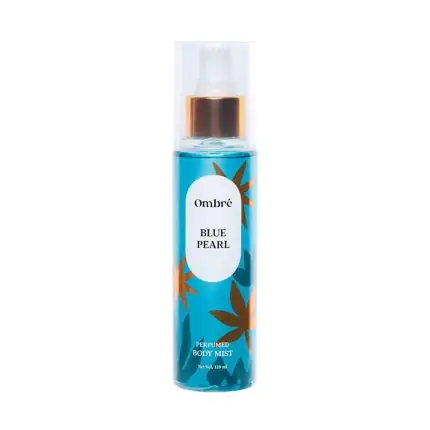
Chamomile is the gold standard of relaxation teas. It contains apigenin, a flavonoid that binds to GABA receptors in the brain—the same receptors targeted by anti-anxiety medications—producing gentle calming effects. A cup of chamomile tea before bed significantly reduces sleep onset time and improves sleep quality. It is also anti-inflammatory and soothing for the digestive system, making it useful after spicy meals common in Bangladeshi cuisine. Don't miss Perfume while shopping.
Ginger Tea
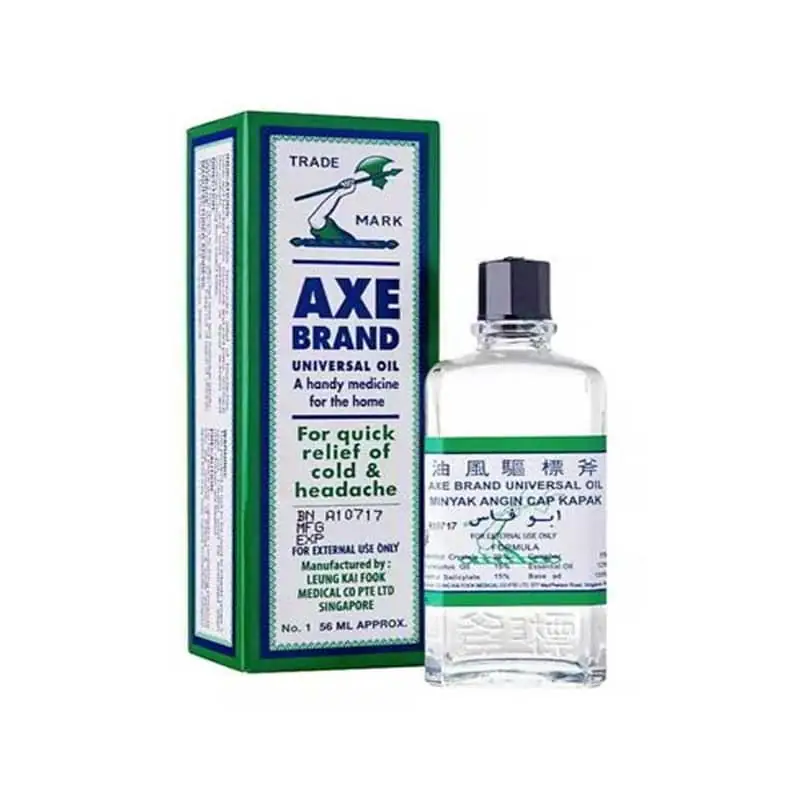
Ginger (ada) is a staple of Bangladeshi cooking and medicine. As a tea, it powerfully soothes nausea (particularly from motion sickness or morning sickness), aids digestion, reduces muscle soreness, and provides warming anti-inflammatory relief for colds and throat infections. Ginger tea with lemon and honey is a time-tested home remedy beloved across Bangladesh. Highly rated: Essential Oil.
Peppermint Tea
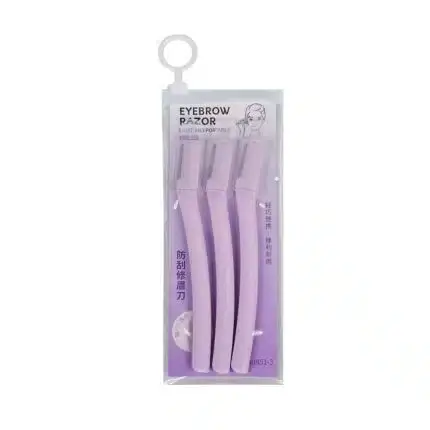
Caffeine-free and refreshing, peppermint tea relaxes the smooth muscles of the digestive tract, relieving bloating, gas, and IBS symptoms. It also clears the sinuses and provides a cooling, energising effect through menthol. Served iced, it is a refreshing alternative to sugary cold drinks during Bangladesh's summer. Consider Hair Removal for your routine.
Hibiscus Tea
Made from the dried petals of Hibiscus sabdariffa, hibiscus tea has a beautiful deep crimson colour and a tart, cranberry-like flavour. It is particularly valued for its blood pressure-lowering effects (multiple clinical trials support this), its high vitamin C content, and its liver-protective properties. Hibiscus is also increasingly popular in beauty-focused tea blends for its skin-brightening anthocyanins. Trending now: Blush.
Tulsi (Holy Basil) Tea
Sacred in Hindu tradition and widely used in Ayurvedic medicine across South Asia, tulsi is an adaptogen—it helps the body adapt to stress by modulating cortisol levels. It supports immune function, reduces inflammation, and has antimicrobial properties. Many Bangladeshis grow tulsi at home; concentrated tulsi tea bags provide a convenient daily dose of this powerful herb. Browse Personal Care for more options.
Moringa Tea
Moringa (sajne in Bengali) is native to South Asia and is one of the most nutritionally dense plants on earth. Moringa tea provides iron, calcium, vitamin C, and a broad spectrum of antioxidants. It combats fatigue, supports iron-deficiency anaemia (common among women in Bangladesh), and promotes skin radiance. Explore Face Cream on our store.
Detox and Slimming Teas
Detox teas and slimming teas are among the most searched-for products in Bangladesh's wellness market. It is important to understand what these products actually do—and what they cannot do—so you can make informed choices. Discover Hair Remover for quality choices.
Most detox teas contain a combination of: Shoppers also recommend Bronzer.
- Green tea or oolong tea (metabolism support and antioxidants)
- Senna leaf (a natural laxative—effective but not suitable for daily long-term use)
- Dandelion root (mild diuretic; reduces water retention)
- Ginger and licorice root (digestive support)
- Fennel seed (relieves bloating)
Detox teas can help reduce temporary bloating, support healthy digestion, and complement a calorie-controlled diet and regular exercise for weight management. They are not magic solutions—sustainable weight loss requires consistent lifestyle habits. Choose reputable brands without excessive senna content, and do not use senna-based teas for more than 7 to 14 consecutive days without a break. Check out Razor for great picks.
Beauty Teas: Drink Your Way to Better Skin
The beauty from within trend has arrived in Bangladesh. Beauty teas combine skin-supporting ingredients with pleasant flavours for a daily wellness ritual that works from the inside out: See our Serum collection.
- Collagen teas: Marine or plant-based collagen peptides blended with green tea or rose for skin elasticity and anti-ageing.
- Glutathione teas: The master antioxidant glutathione brightens skin tone and reduces hyperpigmentation—extremely popular across South and Southeast Asia.
- Rose hip tea: Exceptionally high in vitamin C, rosehip promotes collagen synthesis and skin brightening.
- White tea: Even more delicate and antioxidant-rich than green tea, white tea protects skin collagen from enzymatic degradation.
How to Brew the Perfect Cup
- Use filtered or boiled water. Chlorine in tap water can damage delicate tea flavours and reduce antioxidant content.
- Use the right temperature. Green and white teas: 75 to 80 degrees Celsius (not boiling—boiling water damages catechins). Black and herbal teas: 95 to 100 degrees Celsius.
- Steep for the right duration. Green tea: 2 to 3 minutes. Herbal teas: 5 to 7 minutes for full flavour and potency. Over-steeping green tea makes it bitter.
- Do not add too much sugar. Honey is a better sweetener for herbal teas. For maximum health benefits, gradually reduce sweetness until you enjoy the tea's natural flavour.
Tea Shopping Tips at RuSu
RuSu carries an extensive range of health and beauty teas sourced from certified, reputable brands. Look for teas with clear ingredient lists, no artificial flavours, and sustainable sourcing certifications where available. Our product pages include detailed descriptions to help you choose the right tea for your specific health goal. We offer fast delivery across all of Bangladesh with cash on delivery and bKash payment options—so your next wellness ritual is just a few clicks away. Popular with buyers: Hair Serum.
Tea in Bangladesh's Wellness and Skincare Culture
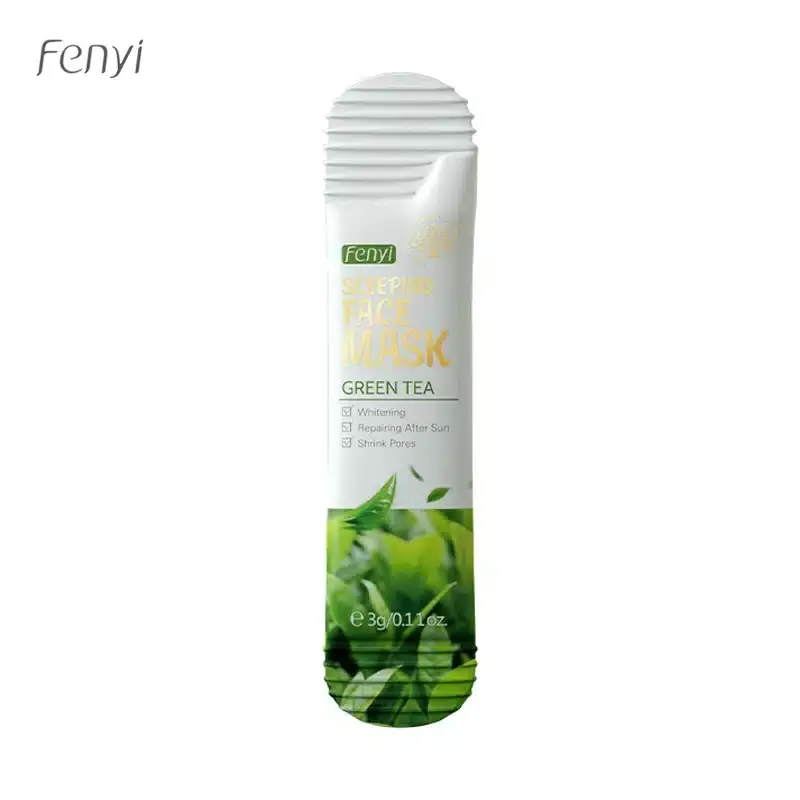
Tea occupies a central place in Bangladesh's culture — from the milky sweet cha served at tea stalls across the country to specialty teas and tea-infused wellness products. Bangladesh is itself a significant tea producer, with the Sylhet region's tea gardens producing internationally recognized varieties. Beyond the beverage itself, tea ingredients — particularly green tea and chamomile — have become prominent in skincare formulations due to their well-documented skin benefits. Green tea's catechin antioxidants (particularly EGCG, epigallocatechin gallate) have among the highest measured antioxidant capacity of any natural ingredient, with documented anti-inflammatory, anti-carcinogenic, and UV-protective properties in skin applications. Green tea extract in skincare products, green tea toners, and green tea masks provide these benefits topically. Cooled brewed green tea applied to the face as a toner or patted onto sun-stressed skin provides immediate anti-inflammatory soothing that is both accessible and effective in Bangladesh's context. Chamomile tea (less traditional in Bangladesh but increasingly available) contains bisabolol and chamazulene with documented anti-inflammatory and wound-healing properties — chamomile tea bags cooled and pressed over irritated eyes or sensitive skin provide gentle, immediate soothing. Find more at Concealer.
Tea as a Functional Wellness Beverage in Bangladesh
Beyond topical applications, the internal consumption of different teas provides systemic benefits that reflect in skin and overall health. Green tea consumed regularly (2-4 cups daily) provides antioxidant protection from within — the absorbed catechins provide systemic anti-inflammatory and free radical scavenging activity that complements topical antioxidant skincare. For Bangladesh's high-UV environment, the combination of internal antioxidant intake and topical SPF provides more comprehensive UV damage prevention than either alone. Herbal teas with adaptogenic or health-supporting properties — tulsi (holy basil, common in Bangladesh and recognized for its antistress and antioxidant properties), ginger (anti-inflammatory, digestive support), and hibiscus (high in antioxidants, traditionally used for skin health in South Asian contexts) — contribute to the wellness-through-diet approach increasingly embraced alongside topical skincare in Bangladesh's growing health-conscious community. The caffeine in traditional Bangladesh cha (black tea with milk and sugar) provides a recognized morning alertness benefit, while green and herbal tea alternatives allow the tea ritual without significant caffeine intake for those managing their caffeine consumption.