




Covid-19 prevention, protection, and health products have become an essential part of daily life in Bangladesh since the pandemic began in 2020. From masks and sanitizers to immunity-supporting supplements and health monitoring devices, Bangladesh's health and wellness market rapidly expanded to meet the needs of a population navigating one of the most challenging public health events in modern history. Understanding which protective products are effective, how to use them correctly, and where to find quality options is important for maintaining health in a post-pandemic world where Covid-19 remains an ongoing concern. A top choice: RuSu.
Essential Covid-19 Protection Products
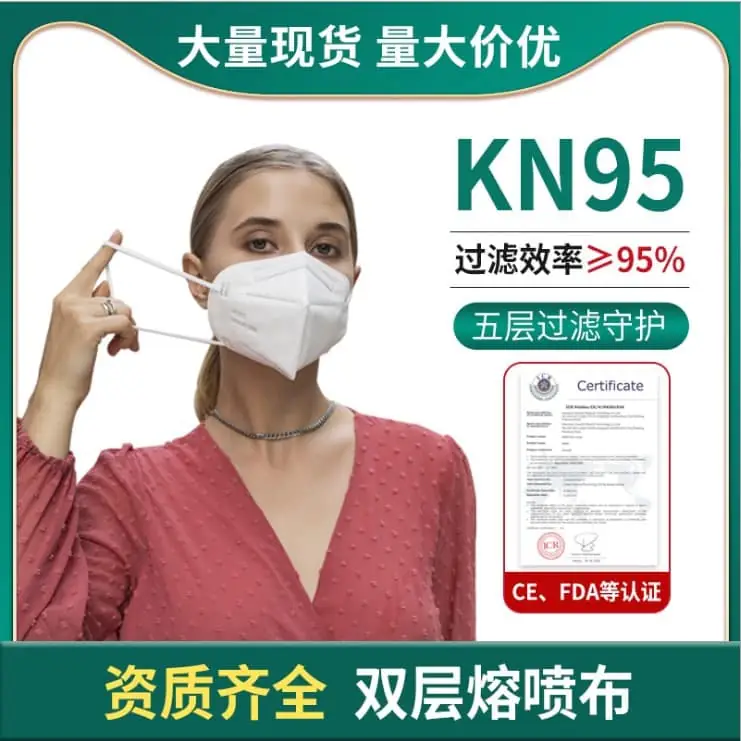
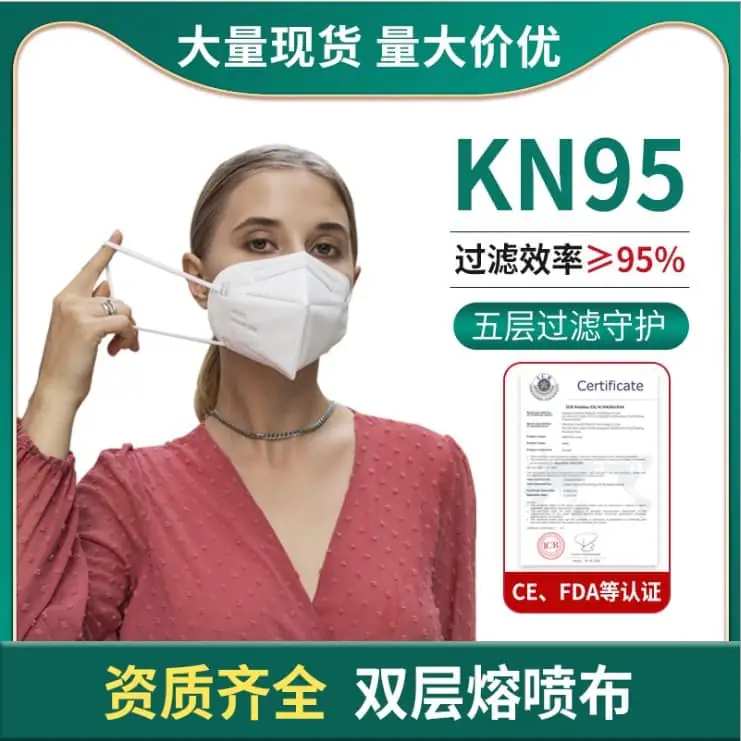
Personal protective equipment (PPE) remains the frontline defense against respiratory virus transmission including Covid-19. Face masks — particularly N95 and KN95 respirators — provide the highest level of protection by filtering 95% of airborne particles. These tight-fitting respirators are significantly more protective than surgical masks or cloth masks, which offer more variable protection. For healthcare workers and high-risk individuals in Bangladesh, N95 respirators remain the recommended choice. For general public use in crowded indoor spaces — markets, public transport, hospitals — a well-fitting surgical mask provides reasonable protection and is widely available across Bangladesh at accessible prices. Don't miss Eyeliner while shopping.
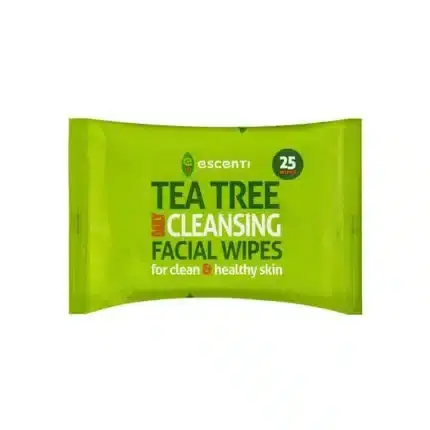
Hand sanitizers with at least 60% alcohol content remain an important hygiene tool in settings where soap and water access is limited. In Bangladesh's context, carrying a small bottle of hand sanitizer for use during commutes, visits to markets, and other public settings provides an additional hygiene layer. The formulation matters — gel sanitizers with 70-80% isopropyl or ethyl alcohol are most effective; products with lower alcohol content or without alcohol provide insufficient viral inactivation. Surface disinfectants (spray or wipe format with appropriate active ingredients) are appropriate for high-touch surfaces in healthcare and care home settings. Highly rated: Hair Care.
Immunity Support and Preventive Health Products
While no supplement prevents Covid-19 infection, several nutritional products support the immune system's overall function and may contribute to better health outcomes. Vitamin D deficiency is common in Bangladesh despite abundant sunlight — many Bangladeshis, particularly women who cover extensively outdoors, maintain lower vitamin D levels than is optimal for immune function. Vitamin D supplementation (1000-2000 IU daily for adults) corrects deficiency and supports immune regulation. Vitamin C, zinc, and vitamin B12 are other commonly recommended supplements for general immune health that have population-level evidence for supporting immune function when dietary intake is insufficient. Consider Face Care for your routine.
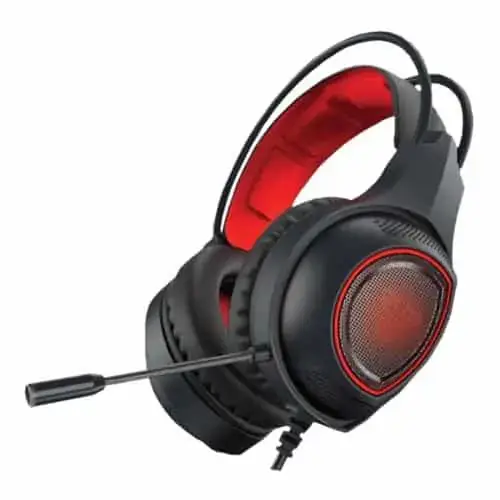
Traditional Bangladeshi health practices including consumption of turmeric (curcumin has documented anti-inflammatory properties), ginger, black seed (kalonji), and honey have been part of the cultural response to Covid-19. While none of these prevent or treat Covid-19 specifically, they contribute to overall wellness and have immune-supportive properties. The integration of traditional wellness practices with evidence-based protective measures (vaccination, masking, hand hygiene) represents the most comprehensive approach to health protection in Bangladesh's context. Trending now: Gaming Headphone.
Covid-19 Testing Products Available in Bangladesh
Rapid antigen tests (RAT) for Covid-19 provide at-home results within 15-20 minutes and are available in Bangladesh through pharmacies, hospitals, and online retailers. These tests detect the viral protein directly from a nasal swab and are most accurate when viral load is highest — typically during the symptomatic period. A positive antigen test should be treated as a confirmed case; a negative result during symptomatic illness should be confirmed with a PCR test as antigen tests have lower sensitivity for early infection. PCR testing, which detects viral genetic material with higher sensitivity, is available through hospitals and registered diagnostic laboratories across Bangladesh. For people with symptoms, healthcare providers, or those who need travel documentation, PCR testing remains the gold standard. Browse Kajal for more options.
Health Monitoring Devices for Home Use
The pandemic significantly accelerated adoption of home health monitoring devices in Bangladesh, allowing individuals to track key health indicators without requiring clinic visits for routine monitoring. Pulse oximeters — devices that measure blood oxygen saturation (SpO2) — became particularly important during Covid-19 as oxygen level decline is an early warning sign of respiratory deterioration. A reading below 95% warrants medical attention; below 90% is a medical emergency. Pulse oximeters are now widely available in Bangladesh through pharmacies and electronics retailers at accessible prices. Digital thermometers for measuring fever, blood pressure monitors for those with hypertension (a significant risk factor for severe Covid-19 outcomes), and blood glucose monitors for diabetics (another high-risk group) complete the home monitoring toolkit that has become more integrated into Bangladeshi health management post-pandemic. Explore Kids & Baby on our store.
Covid-19 Vaccination and Booster Information
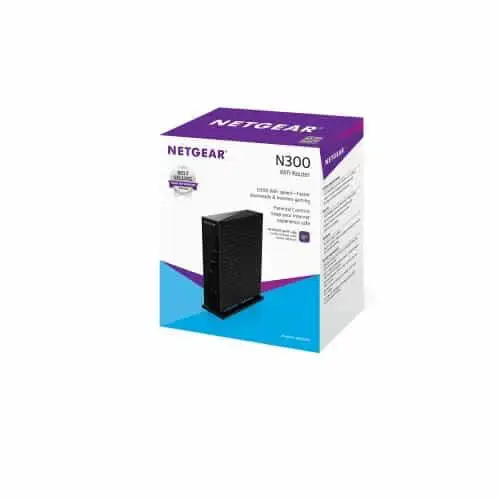
Vaccination remains the most impactful public health measure against severe Covid-19 disease, hospitalization, and death. Bangladesh's vaccination program was one of the most successful in South Asia, achieving substantial population coverage through the national immunization campaign. Multiple vaccine types were administered in Bangladesh — Oxford-AstraZeneca (Covishield), Moderna, Pfizer-BioNTech, Sinopharm, and Johnson & Johnson — all with strong safety records and efficacy profiles for preventing severe disease. Booster doses are recommended for high-risk individuals including older adults, immunocompromised people, and healthcare workers. Information about Bangladesh's current vaccination recommendations is available through the Directorate General of Health Services (DGHS) and the WHO Bangladesh country office. Ensuring vaccination records are maintained and boosters are received per current recommendations provides continued protection as Covid-19 variants evolve. Shoppers also recommend Router. Discover Hand Care for quality choices.
Post-Covid Recovery Health Products
Post-Covid syndrome ("long Covid") affects a significant minority of people who recover from acute Covid-19 infection, producing persistent symptoms including fatigue, brain fog, shortness of breath, and joint pain for weeks to months after the initial illness. Bangladesh's healthcare system is increasingly recognizing and addressing long Covid through specialized clinics in major hospitals. Recovery support products for post-Covid symptoms: nutritional support (B-complex vitamins, iron for fatigue; omega-3 for inflammation; protein for muscle recovery); respiratory support (breathing exercise devices, incentive spirometers for lung capacity recovery); and cognitive support through cognitive exercises and adequate sleep. For persistent or severe symptoms, consultation with a physician who can assess and treat specific post-Covid manifestations is more appropriate than self-managed supplementation alone. Check out Lash Glue for great picks.
Protective Products for High-Risk Settings in Bangladesh
Different settings in Bangladesh carry different Covid-19 transmission risk levels, and protective product needs vary accordingly. Hospitals and healthcare facilities carry the highest risk — visitors and healthcare workers benefit from N95 respirators, eye protection (face shields or goggles), and gloves in high-exposure areas. For Bangladesh's crowded markets (bazaars, kitchen markets, Sadarghat) where ventilation is limited and proximity is close, a well-fitting surgical mask or N95 is strongly advisable. In Bangladesh's extensive public transport system — buses, rickshaws, CNGs, trains — where air circulation is variable and proximity to others is unavoidable, mask use significantly reduces transmission risk. Workplaces with good ventilation and lower crowd density carry lower risk and may need only basic hygiene products and minimal masking for fully vaccinated individuals. See our Lifestyle collection.
Air purifiers with HEPA filters are increasingly available in Bangladesh and can meaningfully reduce indoor airborne virus concentration in enclosed, poorly ventilated spaces — relevant for offices, classrooms, and homes where family members have known Covid-19 exposure. Bangladesh's hot climate often means windows are open, which provides natural ventilation that reduces indoor aerosol concentration — taking advantage of natural airflow is a simple, zero-cost protective measure in Bangladesh's building environment. Popular with buyers: Health & Beauty.
Children and Covid-19: Protection Products for Bangladeshi Families
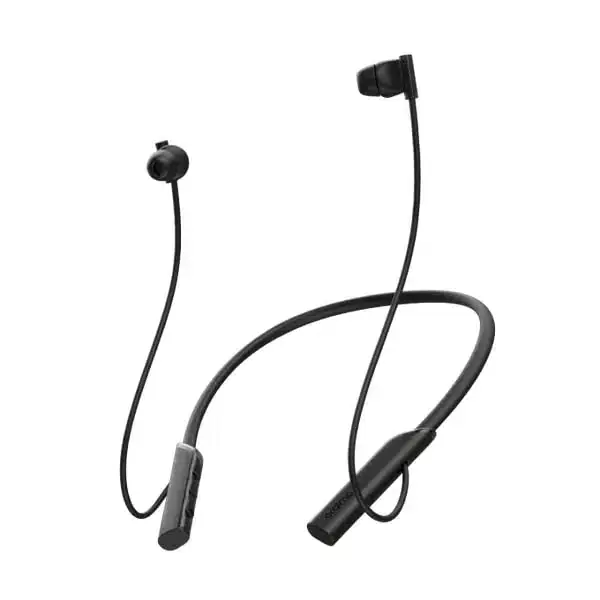
Children's Covid-19 protection requires age-appropriate approaches, as standard adult protocols and products don't directly translate to pediatric use. Children aged 5 and above are eligible for Covid-19 vaccination in Bangladesh — pediatric vaccine formulations were developed specifically for this age group. Mask use for younger children is challenging — below age 2, masks are not recommended as they can interfere with breathing; for children 2-5, masking in high-risk settings is appropriate when supervision is maintained and the child can tolerate the mask; children aged 6 and older can generally tolerate masks similarly to adults. Child-sized masks (available through pharmacies and online retailers in Bangladesh) provide better fit than adult masks that don't seal properly on smaller faces. Hand sanitizer for children should be adult-applied in younger children to prevent ingestion of alcohol — hand washing with soap and water is preferable for young children as a primary hygiene practice. Find more at Earbuds.
Workplace and School Covid-19 Products in Bangladesh
Bangladesh's return to near-normal workplace and school functioning has been accompanied by the institutionalization of certain Covid-19 protective measures that have ongoing value. Touchless hand sanitizer dispensers placed at building entrances, in bathrooms, and at common areas provide automatic hygiene prompting for large numbers of people. Infrared non-contact thermometers for rapid temperature screening remain standard at hospital entrances and some public buildings. Surface disinfection products — spray disinfectants and disinfecting wipes — are used for regular cleaning of high-touch surfaces (door handles, elevator buttons, desks, phones). For Bangladesh's garment industry — which employs millions and requires close working proximity — factory Covid-19 protocols including PPE provision, ventilation improvements, and testing accessibility represent worker welfare measures that have broad health impact beyond Covid-19. Worth exploring: Makeup Brush.
Mental Health and Wellness Products During and After Covid-19
The psychological impact of the Covid-19 pandemic — anxiety, depression, grief, isolation, and burnout — has been substantial in Bangladesh as globally. Mental health product support complements physical protective measures for comprehensive wellbeing. Wellness products relevant to pandemic-related mental health: aromatherapy diffusers with calming essential oils (lavender, bergamot, frankincense) create supportive home environments; sleep support products (sleep tracking, melatonin supplements where appropriate, sleep hygiene tools) address the sleep disruption common during Covid-19 and recovery; exercise equipment for home use supports the physical activity that is among the most evidence-backed interventions for anxiety and depression. Online mental health resources and telepsychology services have expanded in Bangladesh during and since the pandemic — digital mental health support is increasingly accessible through mobile platforms for Bangladeshis who might not access in-person psychological services due to cost, stigma, or geographic barriers. Recognizing pandemic-related mental health challenges as legitimate health concerns alongside physical ones is part of the comprehensive health response that Bangladesh's health system continues to develop. Customers love Makeup in Bangladesh.
Buying Covid-19 Health Products Safely in Bangladesh
Bangladesh's market for Covid-19 health products has included both legitimate, effective products and counterfeit or fraudulent items, particularly during the peak pandemic period when demand exceeded supply and regulatory oversight was stretched. Safe purchasing guidelines for Bangladesh: purchase from registered pharmacies (look for DGDA — Directorate General of Drug Administration — registered establishments) rather than unverified street vendors or unregulated online sellers; check product registration and lot numbers for medical devices like oximeters and thermometers; be skeptical of miracle cure claims — no supplement or product prevents or cures Covid-19 beyond the protective equipment and vaccines discussed; verify rapid test kits are from WHO Emergency Use Listed manufacturers for reliability. E-commerce platforms in Bangladesh have improved their health product verification, but due diligence from consumers — checking seller ratings, reading product details, and purchasing from brand-authorized sellers — remains important for health products where quality directly affects effectiveness. A top choice: Lip Care.