









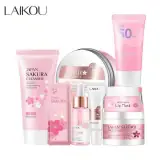
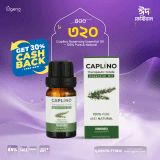
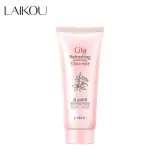




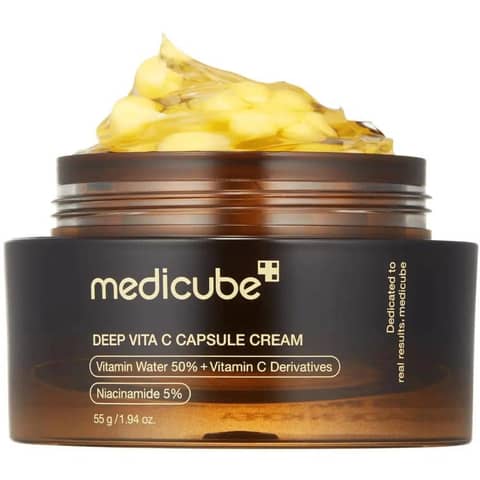
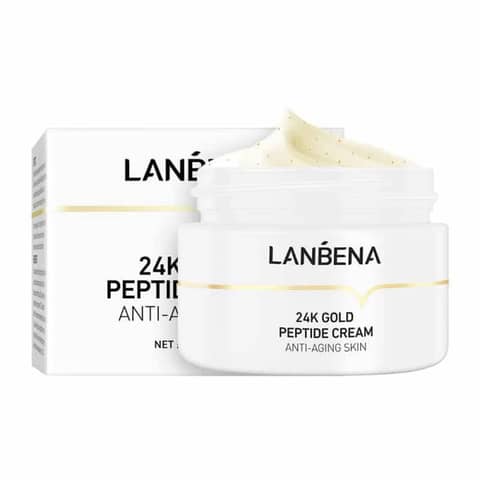
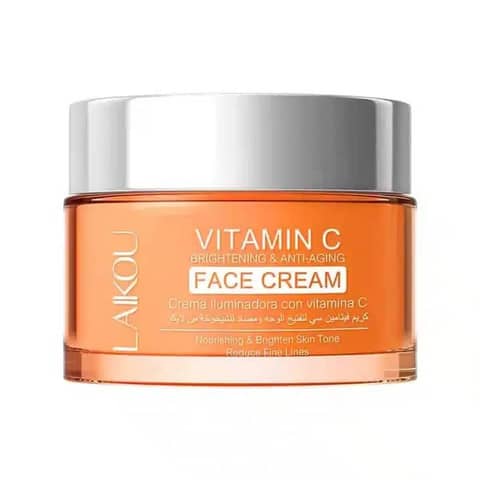
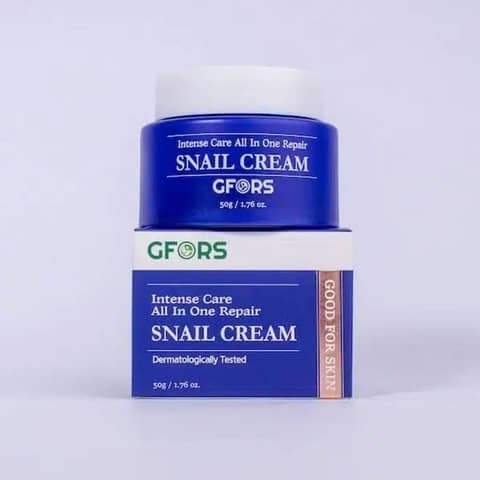
Face creams are essential in every woman’s skincare routine, offering hydration, protection, and nourishment to keep the skin looking youthful and radiant. For women in Bangladesh, where the climate can be harsh on the skin, choosing the right face cream is crucial. This comprehensive guide will help you understand the different types of face creams, their benefits, and how to choose the best one for your skin type.
The Importance of Face Creams:
Face creams play a crucial role in maintaining healthy skin by:
- Hydrating: Providing essential moisture to keep the skin soft and supple.
- Protecting: Shielding the skin from environmental pollutants and UV rays.
- Nourishing: Delivering essential nutrients and vitamins for skin repair and regeneration.
- Anti-aging: Reducing the appearance of fine lines, wrinkles, and other signs of aging.
Types of Face Creams: Shoppers also recommend RuSu.
- Moisturizing Creams:
Moisturizing creams are designed to keep the skin hydrated by locking in moisture.
- Day Creams: Light and non-greasy, perfect for daytime use.
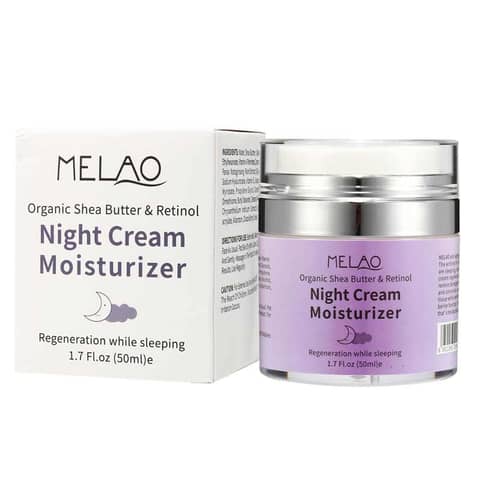
- Night Creams: Richer formulations that work overnight to repair and rejuvenate the skin.
Key Ingredients: Hyaluronic acid, glycerin, aloe vera, and vitamin E.
Product Information: Check out Baby Powder & Lotion for great picks.
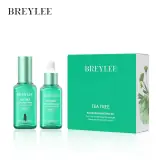
- Breylee Hyaluronic Acid Face Cream (40g): Packed with nourishing ingredients that restore skin suppleness and elasticity with intense hydration.
- Face Facts Hyaluronic Hydrating Face Cream (50ml): Smooths, plumps, and hydrates the skin with hyaluronic acid and glycerin.
- Anti-Aging Creams:
Anti-aging creams help combat the signs of aging by promoting collagen production and improving skin elasticity.
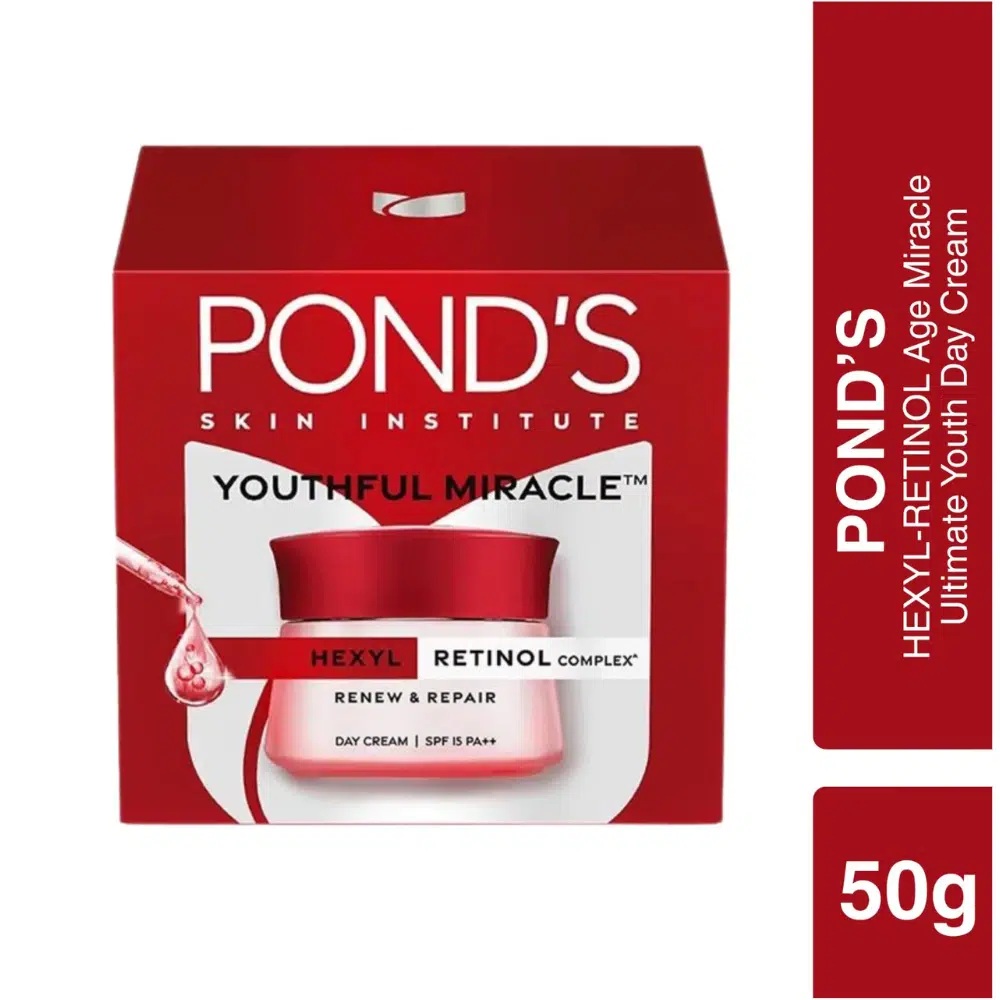
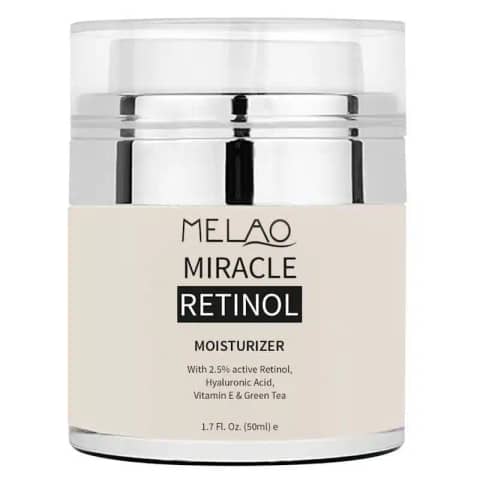
- Retinol Creams: Contain retinoids that stimulate collagen production.
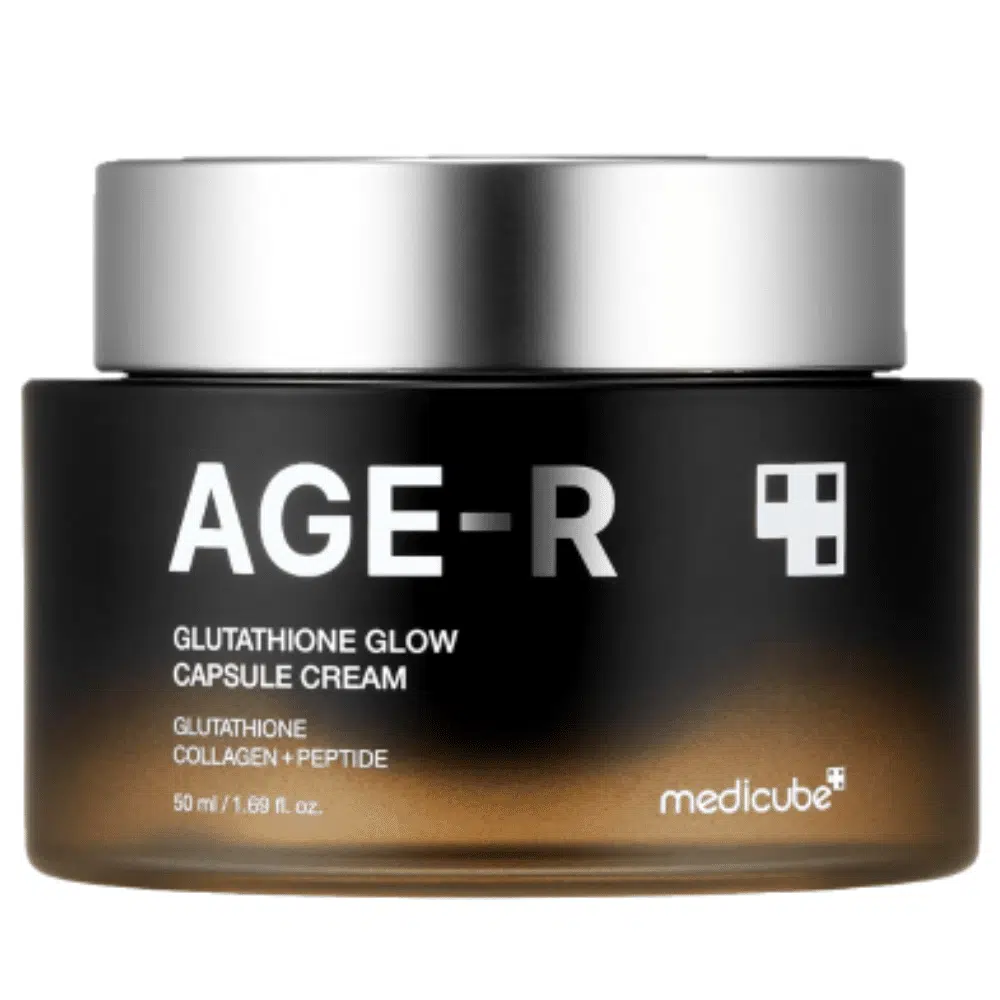
- Peptide Creams: Use peptides to enhance skin firmness and reduce wrinkles.
Key Ingredients: Retinol, peptides, antioxidants, and vitamin C.
Product Information: See our DRESS collection.
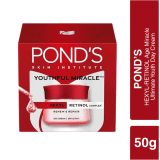
- Breylee Retinol Face Cream (40g): Firms the skin and reduces wrinkles and fine lines.
- Brightening Creams:
Brightening creams target hyperpigmentation, dark spots, and uneven skin tone to give you a radiant complexion.
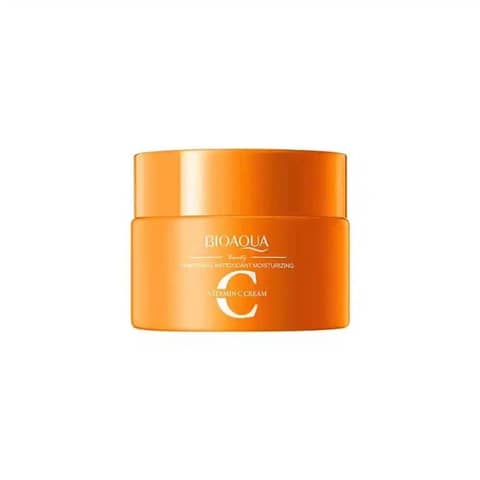
- Vitamin C Creams: Known for their brightening and antioxidant properties.
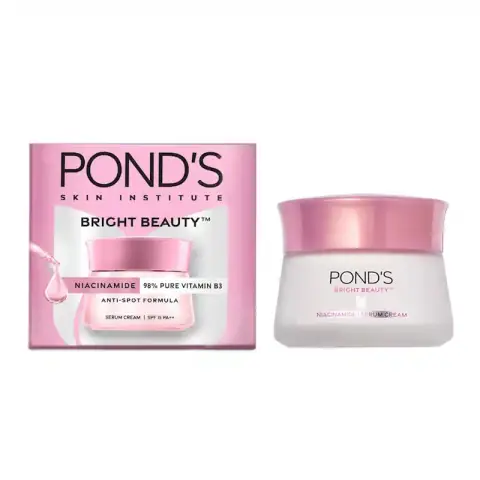
- Niacinamide Creams: Help improve skin texture and tone.
Key Ingredients: Vitamin C, niacinamide, licorice extract, and alpha arbutin.
Product Information: Popular with buyers: Makeup Setting Spray.
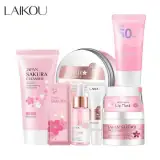
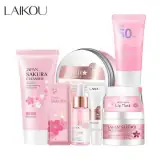
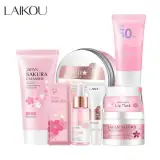
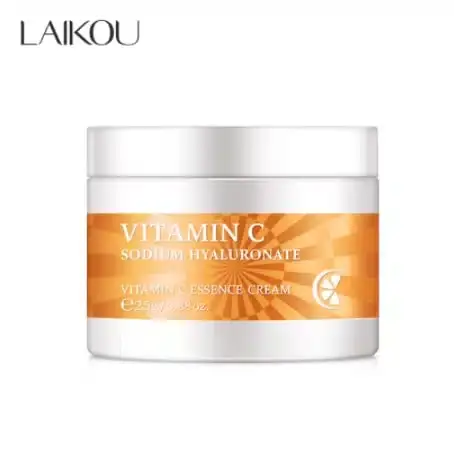
- LAIKOU Niacinamide Brightening Face Cream (30g): Improves skin texture and tone, reducing dark spots and unevenness.
- Sunscreen Creams:
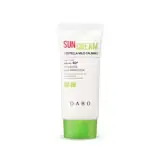
Sunscreen creams protect the skin from harmful UV rays, preventing sunburn, premature aging, and skin cancer.
- SPF 30 and Above: Provides broad-spectrum protection against UVA and UVB rays.
Key Ingredients: Zinc oxide, titanium dioxide, and avobenzone.
Product Information: Find more at Mehndi.
- Breylee Vitamin C Sunscreen Brightening Orange Blossom SPF 50+ (40ml): Offers high SPF protection while brightening the skin.
- Sensitive Skin Creams:
Sensitive skin creams are formulated to be gentle and soothing, minimizing irritation and redness.
- Hypoallergenic Creams: Free from fragrances and harsh chemicals.
- Calming Creams: Contain soothing ingredients to reduce inflammation.
Key Ingredients: Chamomile, aloe vera, oatmeal, and ceramides.
Choosing the Right Face Cream for Your Skin Type: Worth exploring: Soap & Bodywash.
- Dry Skin:
Dry skin requires intense hydration and moisture retention.
- Recommended Creams: Rich, emollient creams with ingredients like shea butter, hyaluronic acid, and glycerin.
- Oily Skin:
Oily skin benefits from lightweight, non-comedogenic creams that won’t clog pores.
- Recommended Creams: Gel-based or oil-free creams with ingredients like salicylic acid, niacinamide, and tea tree oil.
- Combination Skin:
Combination skin needs balanced hydration to manage both oily and dry areas. Customers love Accessories in Bangladesh.
- Recommended Creams: Lightweight creams with ingredients like hyaluronic acid and aloe vera.
- Sensitive Skin:
Sensitive skin requires gentle, soothing formulations to prevent irritation.
- Recommended Creams: Hypoallergenic creams with ingredients like chamomile, oatmeal, and ceramides.
Popular Face Cream Brands:
The market offers a variety of face creams from both local and international brands: A top choice: Pressed Powder.
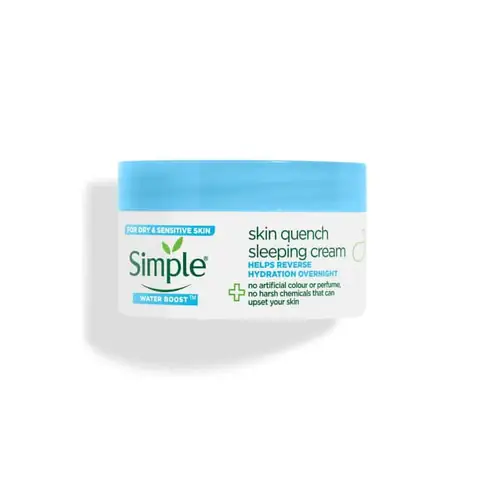
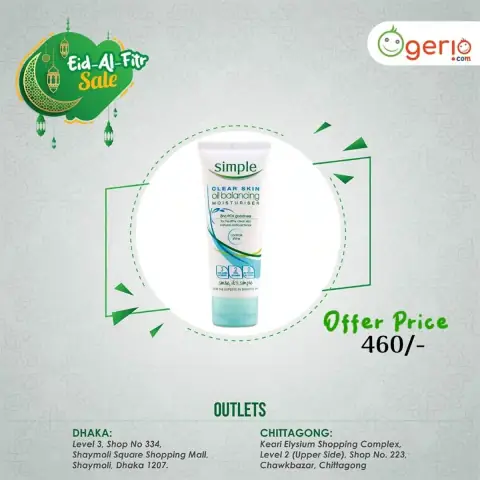
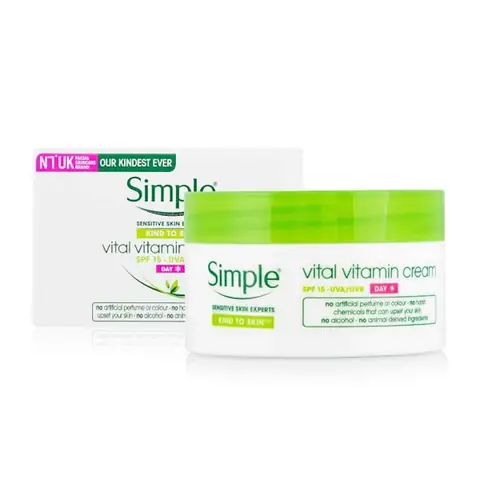
- International Brands: L’Oréal, Neutrogena, simple, laikou, caplino, Nivea and many more.
Tips for Using Face Creams Effectively:
- Cleanse First: Always apply face cream on a clean face to ensure better absorption.
- Patch Test: Test new products on a small skin area to check for reactions.
- Apply Correctly: Use gentle, upward strokes to apply the cream, and avoid pulling or tugging the skin.
- Consistency: Use your face cream consistently for the best results, following your morning and night skincare routine.
Conclusion:
Face creams are an essential part of a woman’s skincare routine, offering hydration, protection, and nourishment. By understanding your skin type and the benefits of different face creams, you can choose the best product to keep your skin healthy, radiant, and youthful. Embrace the power of face creams and enjoy the glowing, beautiful skin you deserve. Don't miss Moisturizers while shopping.
Face Cream for Bangladesh's Changing Seasons
Bangladesh's distinct seasons call for adapting your face cream as conditions change. During the hot, humid summer months (March-September), lightweight gel-creams and oil-free formulas prevent the heavy, suffocating feeling of rich creams in heat. The humidity itself provides atmospheric moisture that reduces the skin's need for heavy occlusive creams. During the cooler, drier winter months (November-February) and in heavily air-conditioned environments year-round, the skin loses moisture faster and benefits from richer cream formulations with more emollient and occlusive ingredients. Many people benefit from maintaining two face creams: a lightweight option for summer and humid conditions, and a richer option for winter and AC-heavy environments.
Face Cream vs. Face Moisturizer: Is There a Difference?
"Face cream" and "face moisturizer" are largely interchangeable terms in everyday language, both referring to topical products that hydrate and nourish facial skin. Technically, "cream" refers to a specific emulsion texture — oil in water or water in oil — that is thicker than a lotion. "Moisturizer" is a functional category encompassing all hydrating products including gels, serums, essences, lotions, and creams. All face creams are moisturizers; not all moisturizers are creams. The practical choice comes down to your skin type and the specific formula — the label (cream vs. moisturizer) matters less than the consistency, ingredients, and how your skin responds to the product.
Anti-Aging Face Creams: What Actually Works
The anti-aging face cream category contains some of the most overpromised and under-delivered products in beauty. However, some ingredients have genuine clinical evidence for visible anti-aging effects. Retinol/retinoids: the gold standard for anti-aging — increases collagen production, accelerates cell turnover, reduces fine lines, improves skin texture. Peptides (Matrixyl, Argireline and similar): stimulate collagen production, relax expression lines. Vitamin C: protects against UV-induced collagen breakdown, brightens. Niacinamide: improves skin barrier, reduces the appearance of pores and fine lines. SPF: prevents the majority of visible skin aging from UV damage. Face creams combining these actives in effective concentrations provide genuine long-term benefits. Highly rated: Eye Makeup.
Reading Face Cream Labels: Understanding What You're Actually Buying
The skincare industry's label reading can be confusing, but understanding a few key conventions helps you make informed face cream choices. Ingredients are listed in descending order of concentration — the first 5-6 ingredients make up the majority of any formula. Water (aqua) is almost always first, as most creams are water-based emulsions. The active ingredients you're paying for often appear further down — a "vitamin C cream" might have only a small percentage of actual vitamin C. Claims on packaging like "anti-aging," "firming," or "brightening" are marketing; the actual efficacy comes from the specific ingredients and their concentrations.
Look for key actives in the first half of the ingredient list to confirm they're present in meaningful concentrations. Fragrance (parfum) near the top of a list signals potential irritation risk — fragrances are common allergens and serve no skin benefit. "Natural" on a label has no regulated definition — it can mean anything or nothing. "Dermatologist tested" means at least one dermatologist tested it, not that they approved or recommended it. Focusing on the ingredient list rather than front-of-pack claims gives a much more accurate picture of what a face cream will actually do.
Face Cream for Different Age Groups
Face cream needs evolve throughout life stages, and adapting your formula to your age group optimizes both immediate and long-term skin health. In your 20s in Bangladesh, a lightweight moisturizer with SPF and basic antioxidants (vitamin C, green tea extract) forms an adequate foundation — the primary concern is sun protection and maintaining baseline hydration. Your 30s are when prevention transitions to early treatment — adding face creams with retinol (introduced at low concentrations), peptides, and niacinamide addresses emerging fine lines and pigmentation from a decade of sun exposure. In your 40s and beyond, richer creams with higher concentrations of actives — established retinol use, ceramide-rich formulas for barrier support, and consistent SPF — form the backbone of effective skin care. Consider Bath & Body for your routine.
Face Cream Ingredients for Bangladesh's Pollution Environment
Bangladesh's urban pollution — particularly the persistent high PM2.5 levels in Dhaka and other major cities — creates specific skincare needs that targeted face cream ingredients address. Pollution particles generate free radicals that damage skin DNA and accelerate aging. Antioxidant-rich face creams (vitamin C, vitamin E, niacinamide, green tea extract, resveratrol) neutralize free radicals before they cause damage — these are valuable daily ingredients for anyone in Bangladesh's urban environment. Barrier-strengthening face creams with ceramides, fatty acids, and niacinamide maintain the skin's physical protective layer, reducing how much pollution penetrates into the deeper skin layers. Evening thorough cleansing followed by an antioxidant face cream provides a complete end-of-day protocol: remove the day's pollution deposit, then protect against residual oxidative stress while the skin repairs overnight.
Conclusion: Investing in the Right Face Cream for Your Skin
Choosing and using the right face cream consistently is one of the highest-return investments in long-term skin health. Unlike topical treatments that address existing problems reactively, a well-formulated daily face cream builds skin resilience, maintains barrier integrity, and provides ongoing protection that prevents problems before they develop. In Bangladesh's environment — high UV, pollution, and temperature extremes — a face cream that addresses these specific stressors is a daily necessity rather than a luxury. Match your formula to your skin type and the season, introduce gradually, and use consistently. The compounding effect of daily face cream use is visible over months and years, making it one of the most impactful habits in any skincare routine.