


































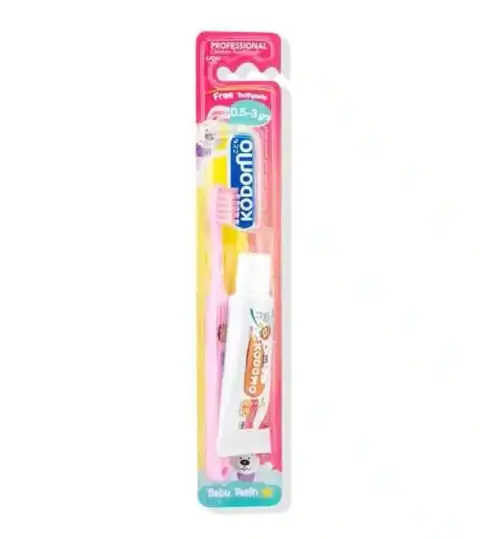
Why Baby Oral Care Starts Before the First Tooth
Many parents believe oral care begins when the first tooth appears, but dental health professionals recommend starting from birth. Even before your baby's first teeth emerge, the gums need to be kept clean to prevent bacterial build-up that can harm incoming teeth. At RuSu, we offer a full range of baby oral care products designed for every stage of your child's early dental development — from newborn gum care to toddler toothbrushing.
Stages of Baby Oral Care
Stage 1: Newborn to 6 Months — Gum Cleaning
Before teeth arrive, clean your baby's gums after each feeding using a soft, damp cloth or a silicone finger gum wiper. This removes milk residue and bacteria from the gum surfaces, establishing a clean oral environment for incoming teeth. Gum cleaning also gets your baby accustomed to the sensation of oral hygiene early on, making the toothbrushing transition easier later. Worth exploring: Mehndi.
Stage 2: First Tooth (Around 6 Months) — Baby Toothbrush
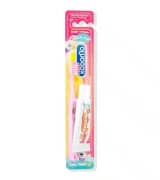
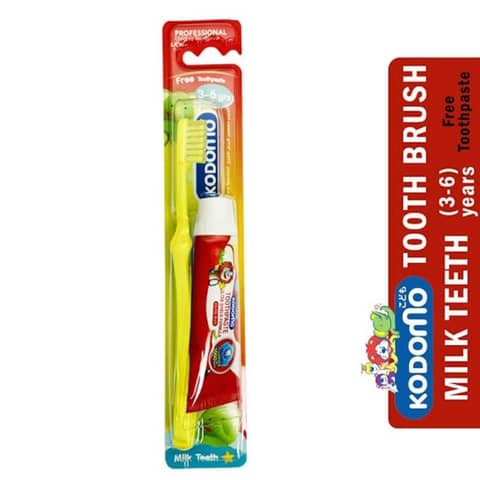
As soon as the first tooth appears, introduce a baby toothbrush. Choose one with an extra-soft bristle head, a small brush head sized for a baby's tiny mouth, and an easy-grip handle. Use a rice-grain sized smear of fluoride toothpaste (or fluoride-free toothpaste if your dentist advises) and brush gently twice a day. Customers love Eye Makeup in Bangladesh.
Stage 3: 12 to 24 Months — Routine Building
By this stage, your toddler will have several teeth and a morning and bedtime brushing routine should be firmly established. Increase toothpaste to a pea-sized amount and begin teaching your child to spit rather than swallow. Make brushing fun with flavoured toothpastes (strawberry, bubblegum, or mild mint) and colourful toothbrushes featuring favourite characters. A top choice: Accessories.
Stage 4: 2 to 5 Years — Independent Brushing with Supervision
Encourage your child to hold the toothbrush themselves, but always supervise brushing until around age 6–7. Children lack the fine motor skills to brush effectively on their own before this age. An electric toothbrush designed for toddlers can make this stage more effective and engaging. Don't miss Primer while shopping.
Types of Baby Oral Care Products at RuSu
Finger Gum Cleaners / Silicone Gum Wipers
These soft silicone sleeves fit over your index finger and allow you to gently massage and clean your baby's gums and early teeth. They are ideal for babies who resist having a toothbrush in their mouth, as the finger provides reassurance and control. Many also stimulate sore gums during teething. Highly rated: Moisturizers.
Baby Toothbrushes
Available in Stage 1 (0–12 months) and Stage 2 (12–24 months) varieties, baby toothbrushes feature ultra-soft bristles to protect delicate gum tissue and enamel. The small head size reaches all areas of a baby's mouth, and safety handles prevent the toothbrush from being pushed too deep. Consider Face Makeup for your routine.
Toddler Toothbrushes
Designed for children 2 years and above, toddler toothbrushes have slightly larger heads, fun designs, and soft-to-medium bristles. Many come with tongue cleaners on the reverse side. Children are more likely to cooperate with brushing when their toothbrush features a character they love. Trending now: Bath & Body.
Baby Toothpaste
Baby toothpastes are specially formulated to be safe if swallowed in small amounts — a crucial feature since young children cannot spit reliably. They come in mild, non-spicy flavours such as strawberry, bubblegum, and mild fruit, making brushing an enjoyable experience. Available in fluoride and fluoride-free options depending on your baby's age and dentist's recommendation. Browse Lip Balm for more options.
Teething Gels
Teething gels provide soothing relief to sore, inflamed gums during the teething phase. They are applied directly to the gum with a clean finger or cotton bud and provide temporary numbing or anti-inflammatory relief. Look for sugar-free, alcohol-free, and paraben-free formulas for the safest options.
Tongue Cleaners for Babies
The tongue harbours bacteria that contribute to bad breath and overall oral bacteria levels. Soft silicone tongue cleaners designed for infants are a gentle way to clean the tongue surface as part of a complete oral hygiene routine. Explore Mud Mask on our store.
Teethers
While not a cleaning tool, teethers help soothe sore gums and encourage healthy jaw development. Silicone or rubber teethers can be chilled in the refrigerator (not frozen) to provide additional soothing relief during teething. Discover Lip Makeup for quality choices.
Common Baby Oral Care Mistakes to Avoid
- Skipping gum cleaning before teeth appear: Bacteria can colonise the gums and affect incoming teeth. Clean gums from birth.
- Putting baby to sleep with a milk bottle: This causes "baby bottle decay" — a form of early childhood caries caused by prolonged exposure of teeth to milk sugars. Always clean teeth after the last feed before sleep.
- Using too much toothpaste: A rice-grain sized amount for babies, and pea-sized for toddlers. More is not better and increases the risk of fluorosis if ingested regularly.
- Not replacing toothbrushes regularly: Replace every 3 months or sooner if the bristles are splayed.
- Sharing spoons or toothbrushes with your baby: Adults can transfer decay-causing bacteria to babies through saliva sharing.
- Delaying the first dental visit: Schedule your baby's first dental appointment by their first birthday.
Signs of Teething and How to Manage Discomfort
Teething typically begins around 4–7 months. Common signs include excessive drooling, chewing on objects, irritability, swollen gums, and disrupted sleep. Management tips include: Shoppers also recommend Beauty Fest.
- Offer a chilled (not frozen) teether or refrigerated teething ring.
- Gently massage the gum with a clean finger.
- Apply a safe teething gel as directed.
- Offer cold, soft foods if your baby has started solids (chilled cucumber sticks, for instance).
- Consult your paediatrician if fever or other symptoms accompany teething.
The Importance of Establishing an Oral Care Routine Early
Children who have oral hygiene modelled and taught to them from infancy develop healthier dental habits that last a lifetime. Primary (baby) teeth are not temporary nuisances — they are essential for chewing, speech development, and holding space for permanent teeth. Decay in baby teeth can cause pain, infection, and affect permanent tooth development. Establishing a twice-daily brushing habit with your child is one of the most impactful gifts you can give them for their long-term health. Check out Lip Liner for great picks.
Fluoride: To Use or Not to Use?
Fluoride strengthens enamel and prevents tooth decay. Current international guidelines recommend a tiny smear of fluoride toothpaste as soon as the first tooth appears. However, for babies under 6 months where toothpaste is used on gums only, fluoride-free options are safer. Consult your child's paediatrician or dentist for personalised guidance based on your local water fluoride levels and your child's specific risk of decay. See our Oil collection.
Why Shop for Baby Oral Care Products at RuSu?
RuSu is Bangladesh's trusted online shop for baby care products. We take the safety and well-being of your little one seriously: Popular with buyers: Makeup Sponge.
- All baby oral care products are sourced from verified, reputable brands
- Products are age-graded so you can easily find what is appropriate for your baby's stage
- Safe, BPA-free, non-toxic materials used in all baby products
- Detailed product information to help you make informed choices
- Fast delivery across Bangladesh with reliable courier partners
- Responsive support team available to help you select the right products
Start your baby's lifelong journey to great oral health with products from RuSu today. Find more at Body Mist.
Establishing Oral Care Habits for Bangladeshi Children
Oral care habits established in early childhood create the foundation for lifelong dental health. Bangladesh's pediatric dentistry and public health data indicate high rates of early childhood caries (tooth decay in young children), driven by early introduction of sugary foods and drinks, inadequate oral hygiene, and limited access to regular dental care across all economic segments. The earlier oral care is established and made routine, the more natural and accepted it becomes for the child. Guidance by age: birth to first tooth — wipe the gums with a clean, damp cloth after feeds to remove milk residue that feeds bacteria; first tooth appearance — introduce a soft, age-appropriate baby toothbrush with a smear of fluoride toothpaste (rice grain size for under-3); from age 3 — pea-sized fluoride toothpaste; from age 6 — children begin learning to spit rather than swallow toothpaste, allowing higher-fluoride formulas. Parental brushing and supervision until age 8-10 ensures effective brushing technique. Making oral care routine requires: consistent timing (after morning meal and before sleep), parental modeling (brush together as a family activity), and age-appropriate positive reinforcement rather than making oral care a battle. Worth exploring: Lip Oil.
Baby Teething Care in Bangladesh
Teething — the emergence of primary teeth typically beginning around 6 months and continuing to approximately 30 months — is a significant discomfort source for infants and a concern for Bangladeshi parents seeking safe, effective relief. Common teething symptoms: increased drooling, gum soreness and redness, irritability, disrupted sleep, and a strong drive to chew. Safe, evidence-based teething relief: chilled (not frozen) silicone teething rings provide counter-pressure and cooling that temporarily relieves gum discomfort; chilled (not frozen) clean wet washcloth given to chew serves the same function. Clean finger massage gently applied to the gum ridge provides counter-pressure that many infants find soothing. Teething biscuits and hard foods (age-appropriate) serve the dual purpose of gum pressure relief and beginning complementary feeding. Products to avoid: benzocaine-containing teething gels and liquids (associated with rare but serious methemoglobinemia in infants, now widely removed from Bangladesh's market but occasionally still encountered); amber teething necklaces (significant strangulation and choking hazard, no clinical evidence of effectiveness); homeopathic teething tablets (variable ingredients, no evidence of effectiveness).