


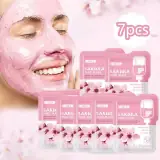




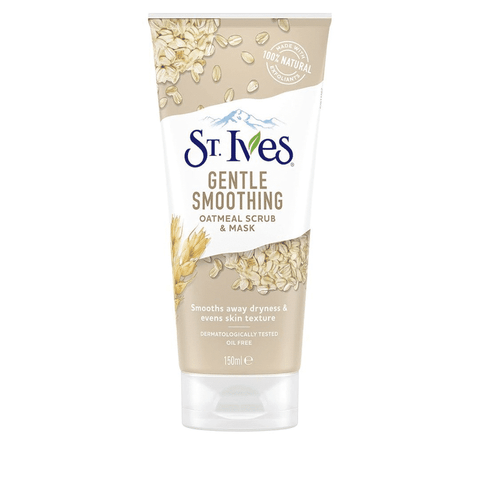
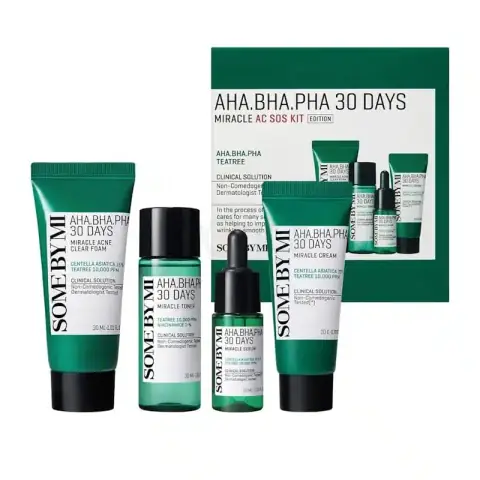
Face masks represent one of the most satisfying and effective steps in skincare — a concentrated treatment that delivers targeted ingredients directly to the skin over an extended contact time, producing visible results in a single session. In Bangladesh, face masks have grown from salon treatments into an integral part of at-home skincare routines for people of all ages, driven by the accessibility of sheet masks, clay masks, and gel masks across a wide price range. Understanding which mask type addresses your specific skin concern transforms masking from a wellness ritual into a genuinely therapeutic skincare step. Don't miss RuSu while shopping.
The Different Types of Face Masks and What They Do
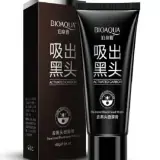
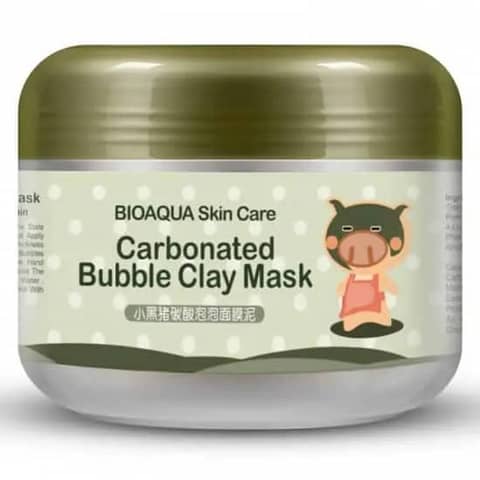
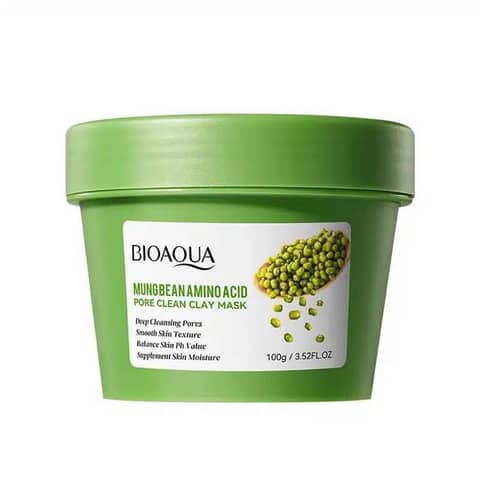
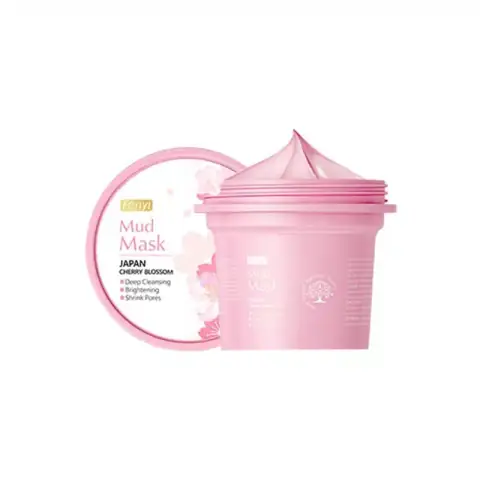
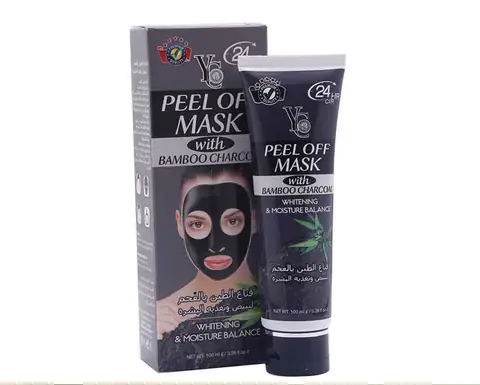
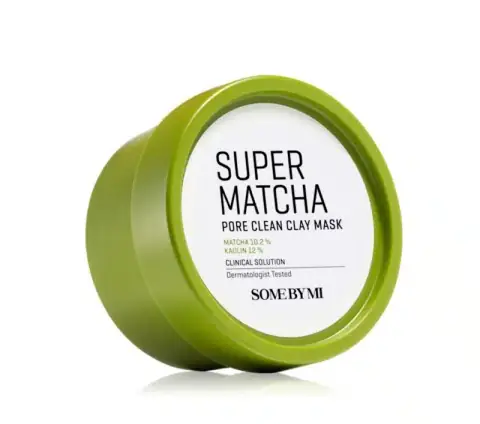
Clay and mud masks are the most effective for oily, acne-prone, and congested skin. Kaolin clay, bentonite clay, and French green clay have natural absorptive properties that draw out excess sebum, debris, and environmental impurities from the skin and pores. During the 10-15 minute application, clay literally draws oil away from the skin surface — you can see this effect in the way the clay dries and appears to pull slightly as it sets. For Bangladesh's population dealing with oil and humidity-induced congestion, clay masks used once to twice weekly provide visible pore-clearing and oil reduction. They should be removed while still slightly damp — leaving clay masks until they crack and flake causes over-drying. Highly rated: Lip Care.
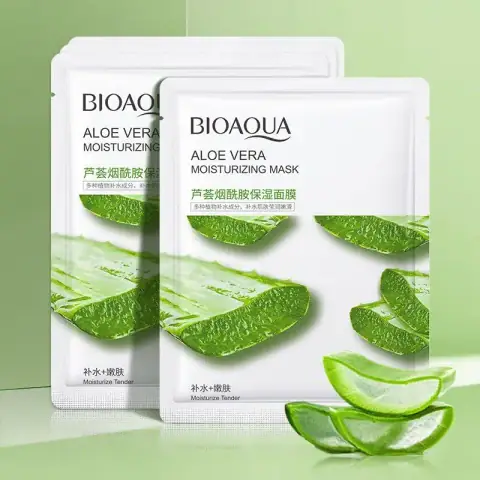
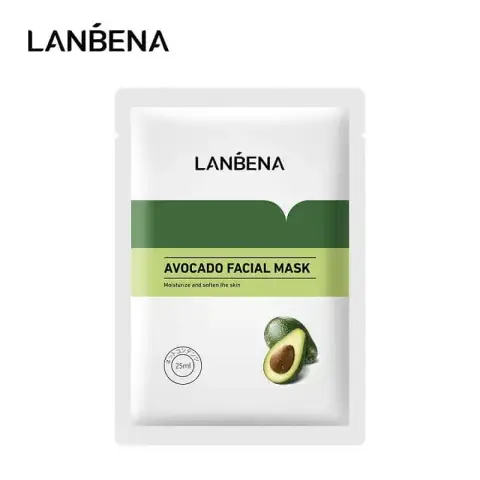
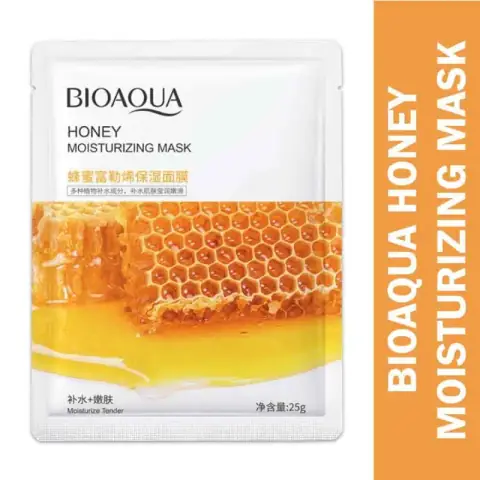
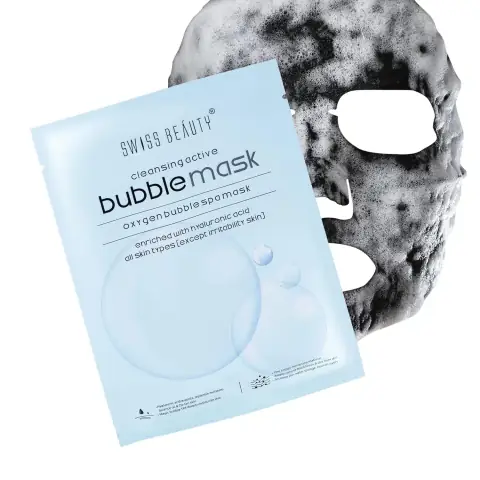
Sheet masks are the format most closely associated with Korean skincare culture and have become enormously popular in Bangladesh. A fabric sheet saturated in serum-like essence is pressed to the face for 15-20 minutes — the sheet creates an occlusive barrier that prevents evaporation of the active-ingredient-rich essence, forcing it to penetrate more deeply than topical serum application alone. Sheet masks deliver intense hydration in a single use, making them ideal before events, after travel, or after sun exposure. They work best as boosting treatments within a routine rather than replacements for daily care. For Bangladesh's dehydrating climate, sheet masks with hyaluronic acid, ceramides, and niacinamide provide a significant moisture and radiance boost. Trending now: Mascara. Consider Hair Color for your routine.
Sleeping masks (overnight masks) are applied at night as the final skincare step and removed the next morning, providing extended contact time for ingredients to work during the skin's natural overnight repair cycle. They seal in all preceding skincare layers, preventing transepidermal water loss throughout the night. Gel masks are cooling, soothing treatments — often with aloe vera, green tea, or centella asiatica — particularly appropriate for Bangladesh's sun-exposed, heat-stressed skin. They cool the skin on contact and reduce inflammation. Exfoliating masks contain AHA (lactic acid, glycolic acid) or BHA (salicylic acid) actives that dissolve dead skin cell bonds during the application period — these provide the most dramatic immediate skin texture improvement but require careful use to avoid over-exfoliation. Browse Makeup for more options.
Choosing the Right Face Mask for Your Skin Type in Bangladesh
Bangladesh's climate creates skin concerns that specific mask formulas address directly. For oily and combination skin dealing with humidity-induced excess oil and blackheads: clay or charcoal masks 1-2 times weekly; salicylic acid exfoliating masks once weekly for blackhead clearing; avoid heavy cream or oil-based masks. For dry and dehydrated skin affected by air conditioning and sun exposure: sheet masks for intense hydration; sleeping masks 3-4 nights weekly; cream-based nourishing masks; avoid clay masks which over-dry already dehydrated skin. For sun-damaged and hyperpigmented skin (very common in Bangladesh given the intense UV): brightening sheet masks with vitamin C, niacinamide, or tranexamic acid; AHA exfoliating masks to promote cell turnover and fade dark spots. For sensitive or allergy-prone skin: fragrance-free sheet masks or simple gel masks with minimal ingredients; oat, centella asiatica, or aloe-based calming masks. Discover Hair Mask for quality choices. Explore Teeth Care on our store.
How to Use Face Masks for Maximum Results
Proper preparation and technique determine how much benefit a face mask delivers. Always cleanse thoroughly before applying any mask — applying a mask over sunscreen, makeup, or the day's pollution prevents the active ingredients from reaching the skin and delivers far less benefit. For clay and exfoliating masks, steaming the face first (from a warm shower or a bowl of hot water with a towel tent over the face) opens pores and softens the surface, allowing the mask ingredients to penetrate more deeply and work more effectively. For sheet masks, use them after toner and any watery essence steps but before oils or cream moisturizers — the sheet mask serum is a treatment step, not the final sealing step. Shoppers also recommend BB Cream.
Timing matters: clay masks should be removed before they fully dry and crack (when they're still slightly tacky, not cracked). Leaving clay masks until cracked causes the dry clay to draw too much moisture from the skin, leading to post-mask tightness rather than refreshed balance. Sheet masks should stay on 15-20 minutes, not longer — after 20 minutes, the saturated sheet begins reabsorbing moisture from the skin as the essence evaporates. Do not rinse off sheet mask essence — pat the remaining essence into the skin and follow with a thin moisturizer. Always follow any mask with moisturizer to seal in the treatment and restore skin comfort. Check out Online Grocery Shop for great picks.
DIY Face Masks: What Works and What's Overrated
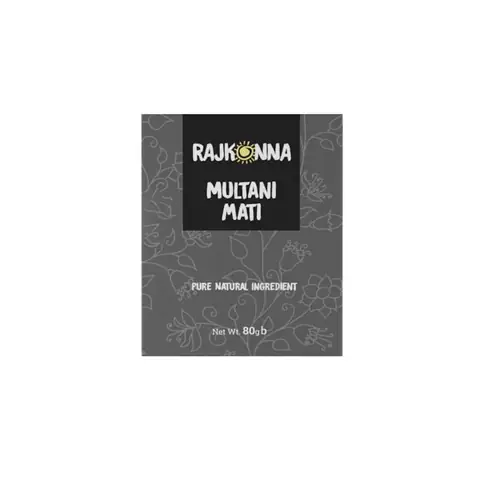
Bangladesh's rich tradition of natural beauty includes many DIY face mask preparations using kitchen and garden ingredients. Some traditional DIY masks have genuine scientific rationale. Multani mitti (fuller's earth) masks: highly absorbent clay used for generations in South Asian skincare — functionally similar to commercial clay masks with good oil absorption. Turmeric paste masks: curcumin provides documented anti-inflammatory and mild antibacterial properties; the staining is the main drawback (mix with yogurt or oil to reduce staining). Yogurt masks: lactic acid content provides gentle exfoliation; probiotic content may support skin microbiome. Rice water: naturally contains ferulic acid, inositol, and vitamins that genuinely improve skin texture and brightness — a well-supported traditional remedy. Popular with buyers: Hair Oil. See our Cleanser collection.
Overrated DIY masks with limited efficacy or safety concerns: egg white pore-tightening masks (temporary tightening from egg white film, no actual pore reduction, significant risk of salmonella contact with mucous membranes); toothpaste on pimples (potentially irritating, contains ingredients not formulated for skin); baking soda masks (highly alkaline, disrupts skin pH causing irritation and barrier damage — should not be applied to face). For DIY masks, use whole-food ingredients with established properties; prepare immediately before use as homemade formulas lack preservatives and spoil quickly; always patch test on inner arm before full-face application. Find more at BB Powder.
Face Masks for Bangladesh's Festival and Event Season
Bangladesh's calendar of festivals, weddings, and celebrations creates high-demand moments for skin to look its best. Strategic face mask use in the days before important events maximizes skin appearance. Two days before an event: use an exfoliating mask (AHA) to smooth texture and remove dull surface cells; this gives time for any temporary redness to fully subside before the event. One day before: a brightening vitamin C sheet mask or niacinamide-rich treatment mask addresses evenness and radiance. Night before: a sleeping mask or overnight treatment seals in hydration for plump, glowing skin. Morning of: a 15-minute cooling gel or hydrating sheet mask as the final boost. This four-step pre-event masking protocol systematically addresses texture, tone, radiance, and hydration — the four pillars of photogenic skin on important days. Customers love Gel in Bangladesh. Worth exploring: Pain Relief.
Face Masks in Bangladesh's Wellness and Self-Care Culture
Face masking has become embedded in Bangladesh's growing self-care culture as more than a skincare step — it represents a dedicated 15-20 minutes of intentional self-care in an otherwise busy schedule. The ritualistic aspect of masking (selecting the appropriate mask, preparing the skin, relaxing during application) creates positive associations with skincare as a form of personal wellness rather than a chore. This cultural shift has driven the rapid expansion of the mask category in Bangladesh's beauty market. Sheet mask subscriptions, mask sets, and mask-focused social media content have proliferated as Bangladesh's beauty community embraces the concept of regular dedicated skin treatment sessions. The accessibility and affordability of sheet masks (available across a very wide price range) democratizes this self-care practice — effective masking is not limited to premium brands, and many affordable options deliver genuine results. Group masking sessions between friends or family, popularized in Korean content that's deeply influential in Bangladesh, have become a social activity layered onto the skincare practice. A top choice: Hair Removal.
Choosing Face Masks for Bangladesh's Growing Skincare Market
Bangladesh's skincare market has expanded dramatically in the past five years — both in terms of product availability and consumer sophistication. International brands are increasingly accessible through e-commerce platforms that import from Korea, Japan, the UK, and the US. Domestic Bangladeshi brands are developing higher-quality formulations inspired by global ingredients while incorporating locally available actives. This expanded market creates both opportunity and complexity for consumers. When evaluating face mask products in Bangladesh: look for transparent ingredient lists and avoid products making claims too dramatic to be achievable from a 15-minute mask application; check import authenticity for international brands (counterfeit K-beauty products in particular have been identified in some South Asian markets); read verified reviews from Bangladesh-based or South Asian beauty communities that share climate and skin-tone similarities; and prioritize brands that provide safety data and formulate without prohibited or potentially harmful ingredients. The growing number of Bangladeshi beauty bloggers and reviewers who specifically test products in Bangladesh's climate provides increasingly valuable local guidance for mask selection in conditions directly relevant to the consumer. Don't miss Blush while shopping.