











The Ancient Art and Modern Science of Kajal
Kajal — also known as kohl, surma, or tiro — is one of the oldest cosmetic products in human history. Ancient Egyptians used kohl to line their eyes as far back as 3100 BCE, both for aesthetic purposes and to protect against the harsh desert sun. In South Asian traditions, kajal holds deep cultural significance: it is applied to infants and children as protective charm and to brides and women for beauty and occasion. In Bangladesh, kajal is woven into the fabric of daily beauty rituals and festive dressing alike.
Today's kajal products are a far cry from their ancient counterparts. Modern formulations deliver intense pigmentation, long-lasting wear, smudge resistance, and skin-conditioning ingredients in elegant, hygienic formats. From pencil kajals to twist-up retractable crayons, liquid kajals, and traditional pot kohl, there is a format for every preference and skill level. Highly rated: RuSu.
Types of Kajal: Formats and Finishes
Pencil Kajal
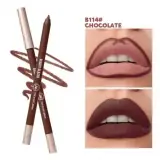
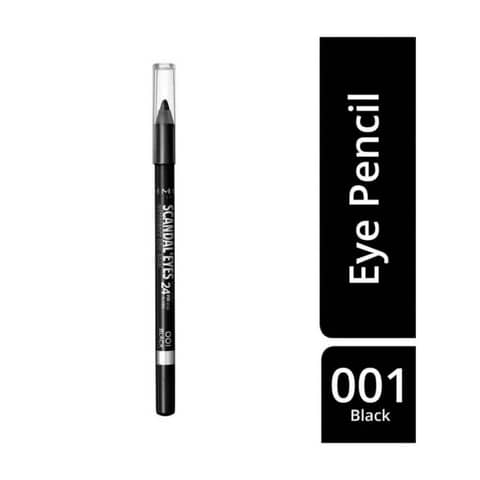
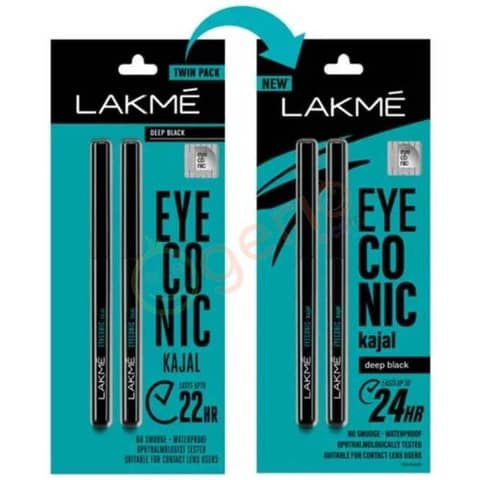
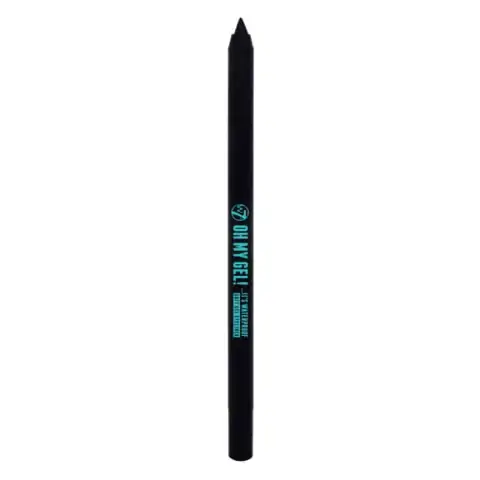
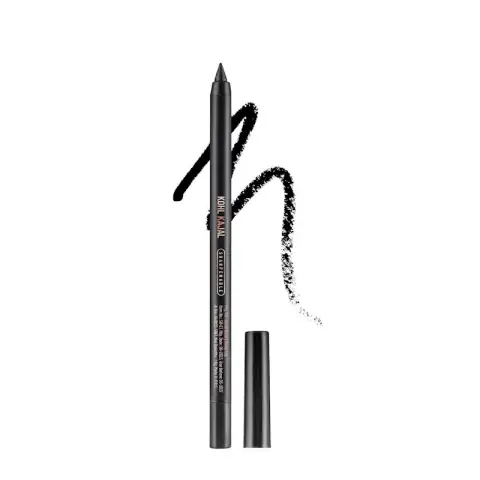
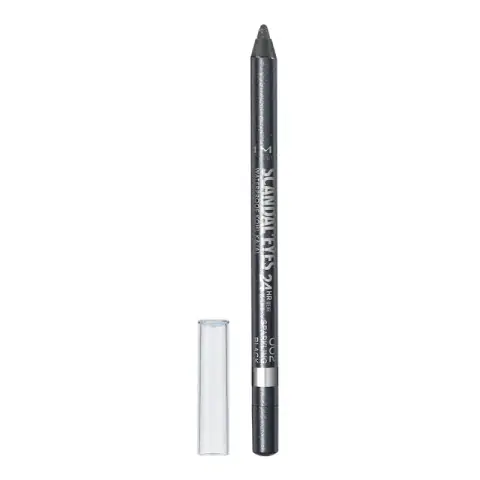
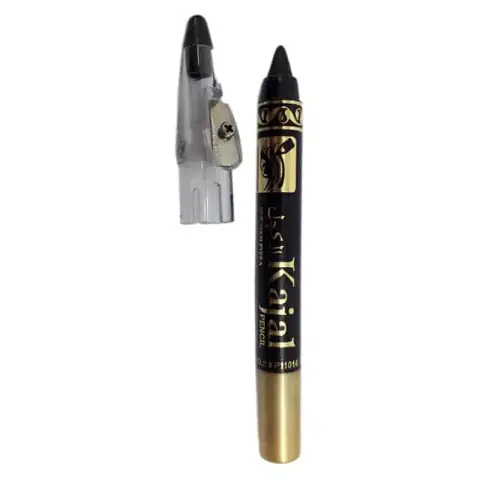
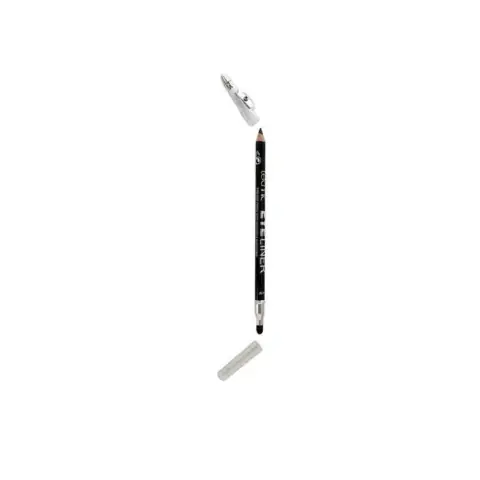
The most traditional and widely used format, pencil kajal is a wax or oil-based pigmented stick that needs periodic sharpening. It's versatile — you can achieve precise thin lines or smudge it out for a smoky effect. Pencil kajal is the easiest format for beginners and offers the most control. Choose a sharpenable pencil for precise inner rim lining or a thick twist-up crayon for faster, more dramatic application.
Twist-Up / Retractable Kajal
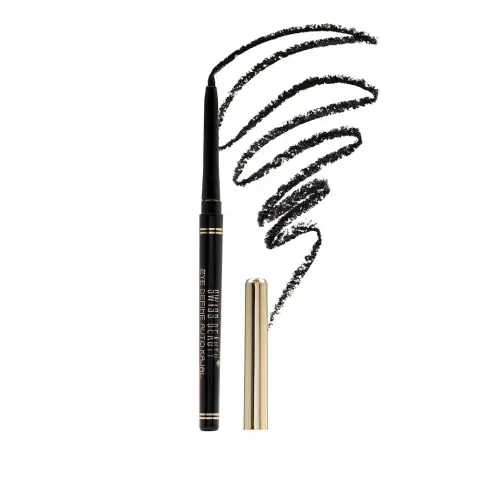
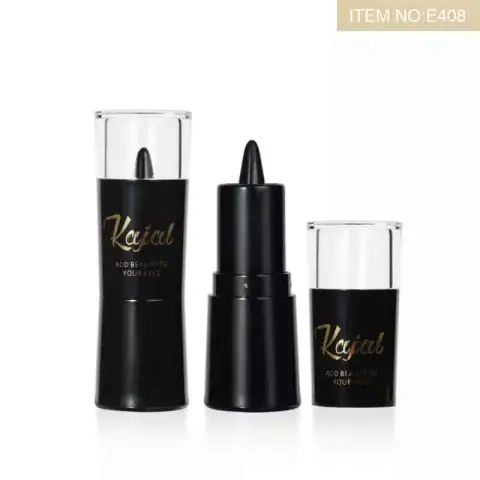
Retractable kajal eliminates the need for sharpening and is ideal for travel and on-the-go touch-ups. The twist mechanism advances more product as needed. Quality retractable kajals are available in waterproof formulas that are especially important in Bangladesh's humid, rain-prone climate. They tend to have a slightly waxy texture that helps them adhere well to the waterline. Consider Makeup Setting Spray for your routine.
Gel Kajal (Pot Kohl)
Gel-based kajal in a small pot provides intense, buildable color with a creamy texture that glides on effortlessly. Applied with an angled liner brush, gel kajal offers the most precise lining ability and is popular among professional makeup artists and enthusiasts. It sets to a long-lasting finish and is highly resistant to smudging once set. Some gel kajals double as eyeshadow for quick smoky eye looks.
Liquid Kajal / Eyeliner
While technically overlapping with liquid eyeliner, some products are marketed as liquid kajal — offering an extremely precise, ink-black line that dries quickly to a waterproof finish. Liquid kajal is best for upper lash line definition and creating sharp, dramatic looks. It requires a steady hand and more practice but delivers the most dramatic, long-lasting results when mastered. Trending now: Lotion.
Traditional Kohl (Surma)
Traditional pot kohl, used in many South Asian communities, has a very soft, powdery texture and is applied with a thin stick or cotton swab. It creates a soft, diffused look and is the closest to the original kajal used historically. Some traditional khol products have been found to contain lead, so for daily use, opt for modern mineral-based or certified-safe alternatives that replicate the soft effect without health risks. Browse Baby Powder & Lotion for more options.
How to Apply Kajal Perfectly
Waterline (Inner Rim) Application
The most classic kajal application is lining the waterline — the inner rim of the eye. This intensifies and defines the eyes dramatically with minimal effort. To apply: gently pull down your lower lid, look up, and draw the kajal along the inner pink rim in a single smooth stroke. For the upper waterline, gently lift your upper lid and draw along the inner rim. Be careful and blink several times afterward to settle the product.
Lower Lash Line Application
For a softer, more defined look without committing to full waterline, line just along the lower lash line on the outer skin. Use a pencil kajal or angled brush with gel kajal, working from the outer corner inward. For a dramatic smoky effect, use a smudge brush or your fingertip to blend immediately after application. Explore DRESS on our store.
Creating the Smoky Eye with Kajal
Kajal is the fastest route to a smoky eye look. Apply generously around the entire eye (waterline top and bottom, upper and lower lash lines), then use a fluffy eyeshadow brush or smudge brush to blend outward, softening the lines into a gradual smoke effect. Add dark eyeshadow over the smudged kajal for extra depth and intensity. This look works beautifully for evening events, weddings, and festive occasions.
Defining the Upper Lash Line
A thin, precise line of kajal along the upper lash line creates the illusion of thicker, fuller lashes without the precision required by liquid liner. Work the kajal as close to the lash roots as possible, moving from the inner corner to the outer corner. For a subtle everyday look, wing it very slightly at the outer corner. Discover Pressed Powder for quality choices.
Making Kajal Last in Bangladesh's Heat and Humidity
One of the biggest kajal challenges in Bangladesh is longevity — heat and humidity cause many formulas to smudge, fade, or migrate below the eyes within hours. Here's how to make kajal last all day: Shoppers also recommend Mehndi.
Eye Primer
Apply an eyeshadow primer or a thin layer of concealer on the eyelid and lower lash line before kajal. This creates a dry, gripping surface that dramatically extends kajal's staying power.
Set with Translucent Powder
After applying kajal along the lower lash line, lightly dust a flat eyeshadow brush with translucent loose powder and press it over the kajal. This sets the formula and prevents migration and smudging throughout the day. Check out Soap & Bodywash for great picks.
Choose Waterproof Formulas
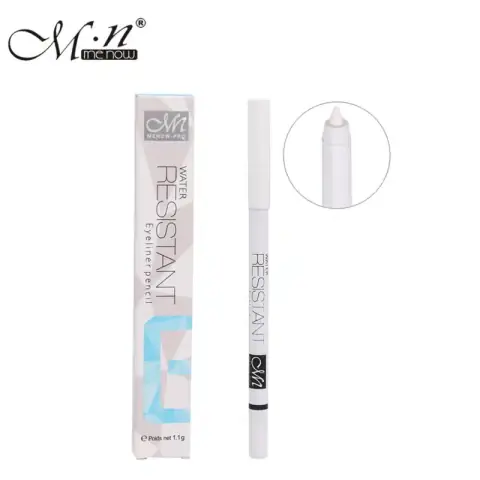
Waterproof kajal formulas contain polymers or waxes that create a water-resistant barrier. In Bangladesh's monsoon season and humid summers, waterproof kajal is essentially a necessity if you want all-day wear. Check for "waterproof," "monsoon-proof," or "24-hour" claims on packaging.
Avoid Touching Your Eyes
Eye-touching transfers oils from your fingers to the kajal, breaking it down faster. Avoid rubbing your eyes, and if you need to touch your eye area, use a clean cotton bud for precise corrections. See our Accessories collection.
Kajal for Different Eye Shapes
Small Eyes
Lining only the upper lash line and outer half of the lower lash line (rather than the full waterline) makes small eyes appear larger and more open. A nude or white kajal on the inner waterline also dramatically opens the eye. Popular with buyers: Moisturizers.
Round Eyes
To elongate round eyes, extend kajal past the outer corner into a wing shape. Concentrate the most product at the outer corners and taper toward the inner corners.
Almond Eyes
Almond eyes are considered the most versatile eye shape — virtually any kajal technique works. Classic waterline lining, full smoky eye, and winged liner all look beautiful on almond-shaped eyes. Find more at Eye Makeup.
Hooded Eyes
For hooded eyes (where the eyelid folds hide eyeliner when eyes are open), skip lining the waterline and instead focus on a thin line very close to the upper lash roots. Use waterproof formula to prevent transfer to the hood above.
Removing Kajal Safely
Always remove kajal thoroughly at the end of the day — sleeping with kajal, especially on the waterline, can cause eye irritation and potential infection. Use a gentle, oil-based eye makeup remover on a cotton pad, press against closed eyes for 5-10 seconds to dissolve product, then wipe gently without rubbing. Never use regular facial cleanser or water alone to remove waterproof kajal — it won't dissolve effectively and may push particles into the eye. Worth exploring: Bath & Body.
Shop Kajal & Kohl at RuSu
Explore our wide selection of kajal and kohl eyeliners from top brands available in Bangladesh. From long-lasting waterproof pencils to smooth gel formulas and precise liquid liners, find your perfect eye definition product. Whether you love a subtle daily look or dramatic occasion eye makeup, our kajal collection covers every need, style, and budget — with fast delivery across Dhaka and Bangladesh. Customers love Lip Balm in Bangladesh.
Kajal in Bangladeshi Culture and Tradition
Kajal holds a place in Bangladeshi culture that goes far beyond cosmetics. Traditionally applied to infants and young children as protection against the "evil eye" (nazar), to brides on wedding days for auspiciousness and beauty, and to women of all ages for daily enhancement, kajal is intertwined with Bengali cultural identity. The word "kajal" itself evokes images of traditionally beautiful eyes — dark, deep, and expressive. Traditional surma or kohl, often made from natural ingredients including camphor smoke residue, antimony sulfide, and plant materials, has a rich history in the region. Today's modern kajal products honor this tradition with safer, better-formulated alternatives that provide the same dramatic effect with improved hygiene and safety standards.
White and Nude Kajal: The Secret to Bigger-Looking Eyes
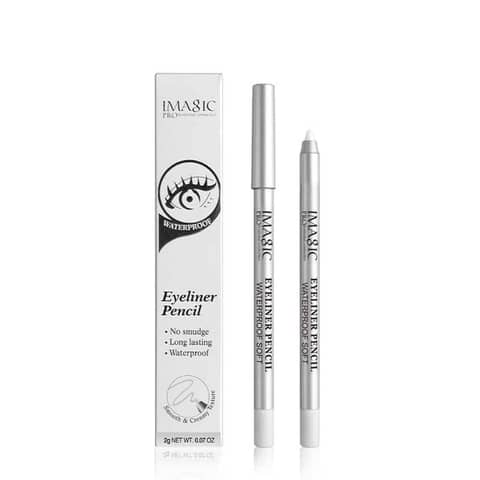
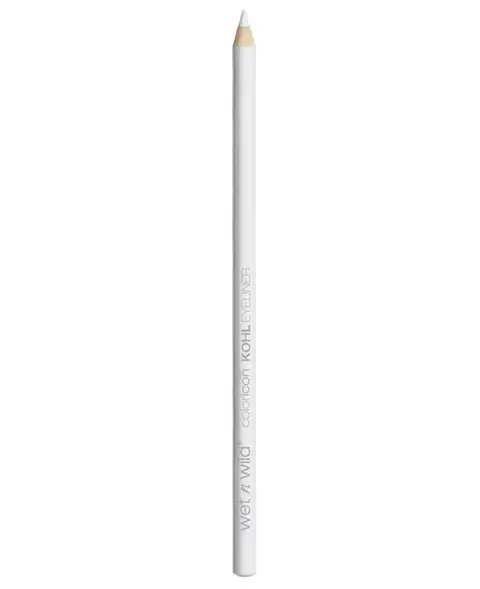
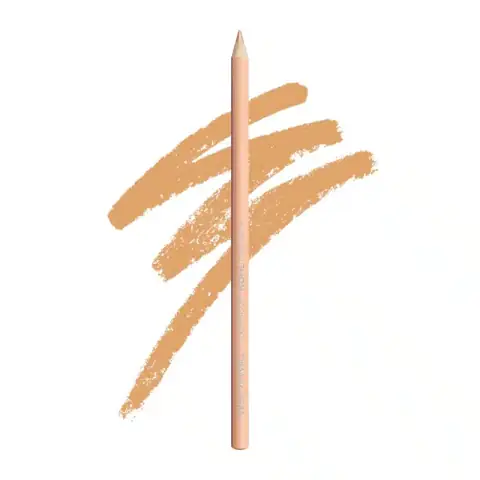
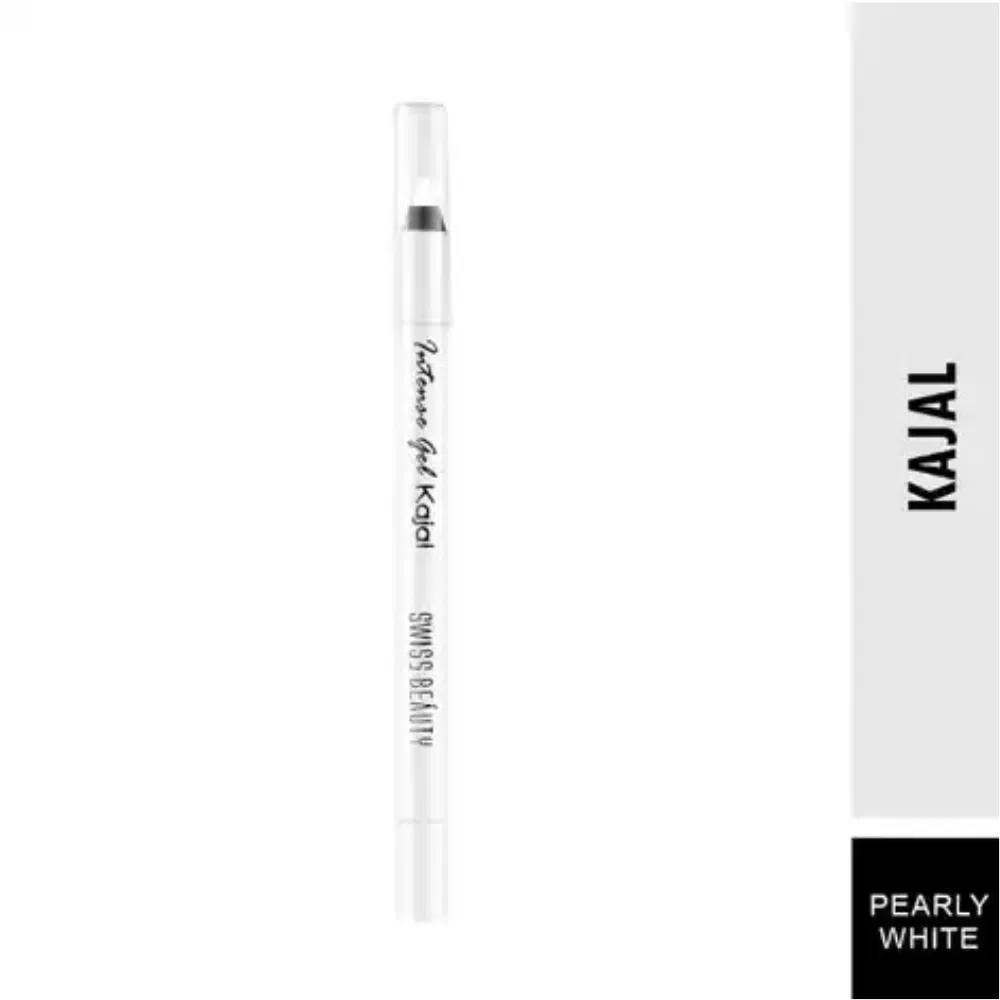
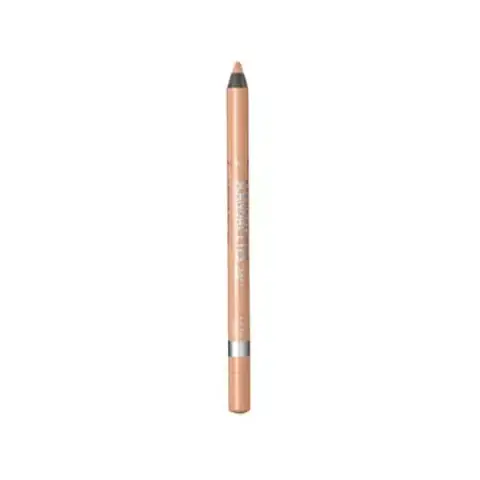
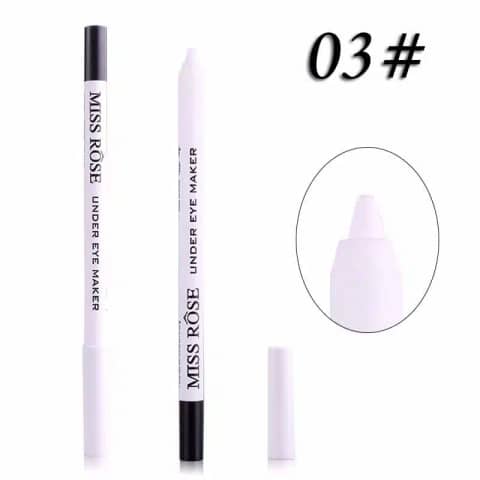
Beyond the classic black kajal, white and nude (flesh-toned) kajals are essential tools for optical eye-opening techniques. White kajal applied to the waterline (inner rim of the lower eye) creates an instant illusion of wider, more awake, larger-looking eyes — particularly effective for those with small, tired, or close-set eyes. This technique is especially useful for early mornings, after sleepless nights, or whenever you want to appear fresher and more alert without a full eye makeup application. Nude or skin-tone kajal on the lower waterline achieves a similar but more natural effect without the high contrast of white. Combining nude liner on the inner waterline with black kajal on the outer corners creates a beautiful balance of openness and definition. A top choice: Mud Mask.
Kajal for Different Skin Tones
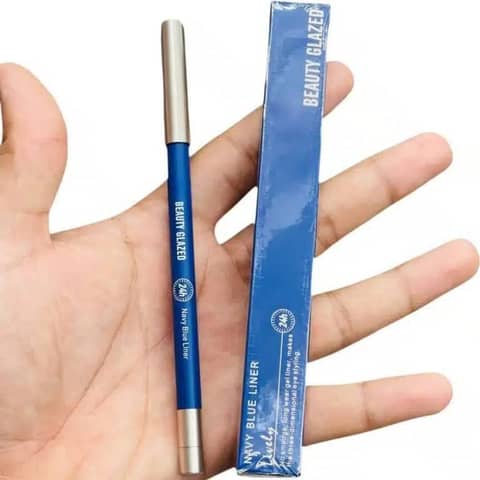
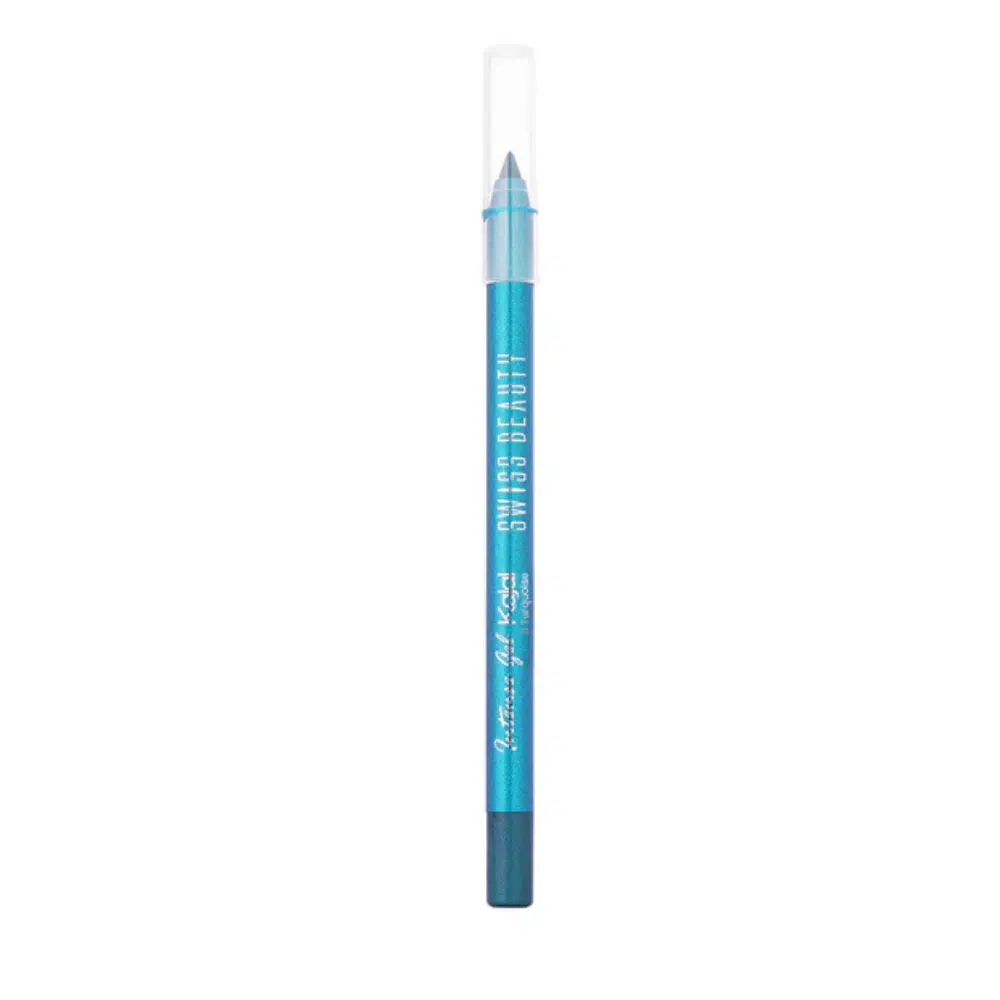
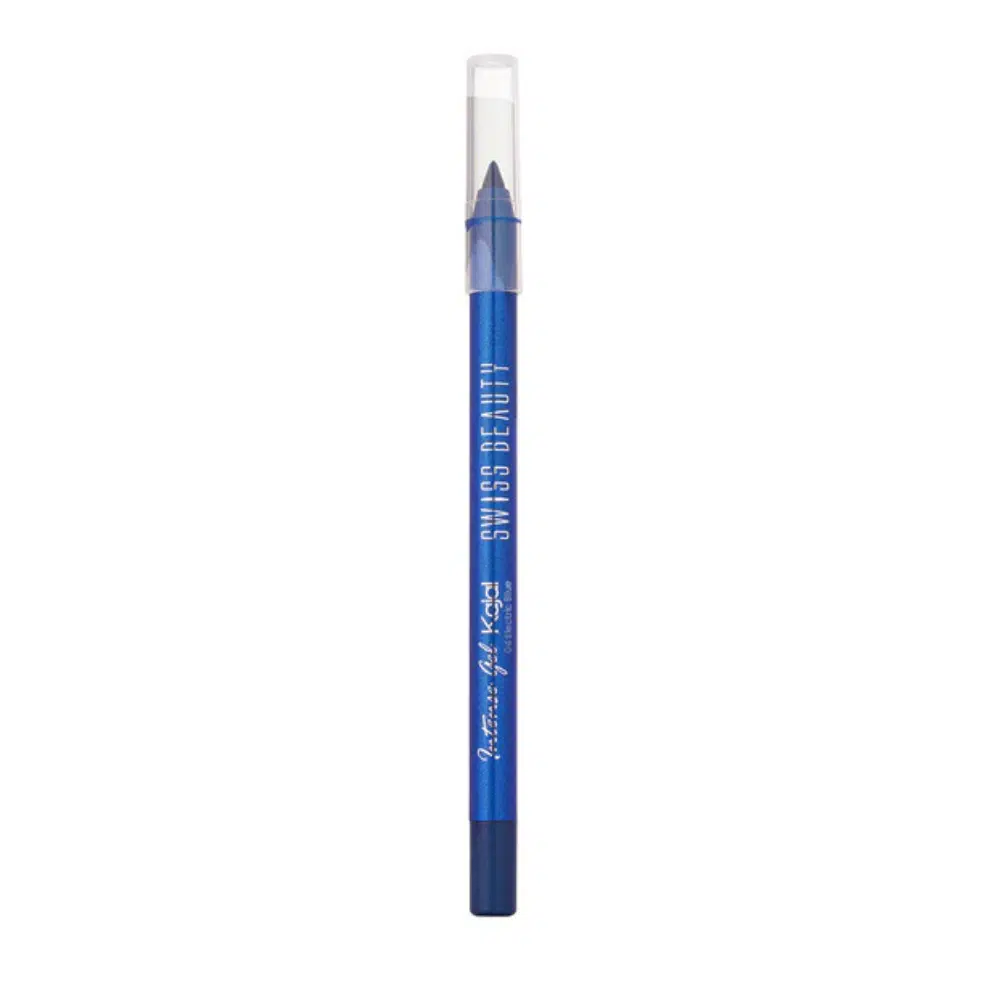
While black kajal is universally flattering, alternative shades enhance different skin tones particularly beautifully. For fair skin tones: navy blue and dark brown kajal provide softer definition than black while still being dramatic; forest green is an unexpected complement to blue or grey eyes. For medium/olive skin tones (common in Bangladesh): classic black is stunning; deep plum and burgundy kajal create rich, sophisticated looks; gold or bronze metallic kajal on the lower waterline adds warmth. For deeper skin tones: black is always powerful; copper, gold, and warm brown metallic kajals create striking contrast; deep teal and sapphire blue kajal look exceptionally beautiful against deeper complexions. Experimenting with non-black kajal shades can dramatically update and personalize your eye look.