



Hair Color Price in Bangladesh: Find the Perfect Shade for Every Style
Hair color price in Bangladesh can vary widely based on the brand, formula, and specific needs of the individual. Whether you’re looking for a subtle change or a bold transformation, understanding the market and the options available can help you make an informed decision. From hair color for girls seeking trendy styles to hair color for men wanting a refined look, this guide explores everything from popular brands to tips on choosing the right product for brown skin, along with hair color shampoo options and more.
Why Hair Color is Popular in Bangladesh
Hair color has become increasingly popular in Bangladesh for various reasons:
- Self-Expression: Many people use hair color to reflect their personality or follow the latest fashion trends.
- Covering Grays: Those with premature graying or simply looking to refresh their look often turn to hair dye solutions.
- Enhancing Natural Shade: Subtle highlights or lowlights can add depth and dimension to natural hair, making it look more vibrant.
Whether you want hair color for girls, hair color for men, or a style that suits your unique preferences, there are options for everyone in the Bangladeshi market. Explore RuSu on our store.
Hair Color Price in Bangladesh: Overview
The hair color price in Bangladesh depends on factors such as brand reputation, product type (e.g., permanent, semi-permanent, or hair color shampoo), and where you purchase it. Generally, you can expect the following ranges:
-
Budget-Friendly Options (BDT 200 – BDT 500)
Ideal for those looking to experiment without a big commitment. These products often provide decent coverage and color variety, though they may fade faster or require more frequent touch-ups. Discover Computer for quality choices. -
Mid-Range Products (BDT 500 – BDT 1,200)
Balancing cost and quality, these hair colors often come from well-known local and international brands. They usually offer better color longevity, nourishing ingredients, and a broader shade selection. -
Premium Brands (BDT 1,200 and above)
Higher-end or professional-grade hair color lines that often include advanced formulas for color vibrancy, damage repair, and lasting coverage. These brands can be more expensive but may justify the cost with superior performance. Shoppers also recommend Kajal.
Types of Hair Color Products
-
Permanent Hair Color
Penetrates deep into the hair shaft for long-lasting color. Great for covering grays or making a significant color change but may contain stronger chemicals. -
Semi-Permanent and Demi-Permanent
Offers a gentler alternative to permanent dyes, lasting several weeks. These are perfect for experimenting with new shades or enhancing your natural color without committing long-term. Check out Hair Care for great picks. -
Hair Color Shampoo
A convenient option for those who want a quick and easy color application. These shampoos deposit color while cleansing the hair, typically lasting a few washes. -
Temporary Hair Color
Ideal for one-time events or short-term experimentation. These products wash out after a few shampoos, letting you switch up your look frequently. See our Hand Care collection.
Popular Hair Color Brands in Bangladesh
-
Garnier
Known for nourishing ingredients and a wide shade range, Garnier offers both permanent and semi-permanent options suitable for brown skin tones. -
L’Oréal
A global favorite with advanced formulations, L’Oréal hair colors often include conditioning elements to maintain hair health. Popular with buyers: Gaming Headphone. -
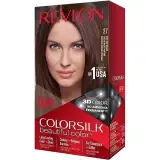
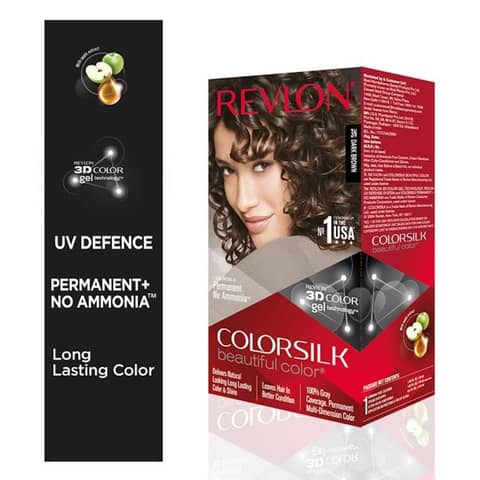
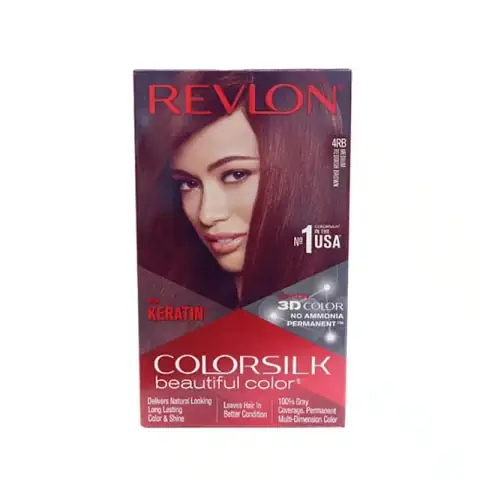
Revlon
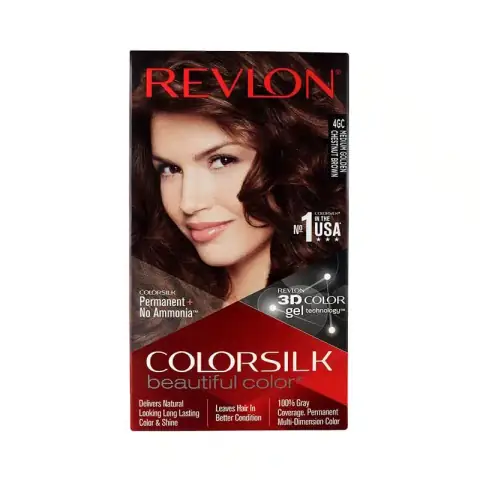
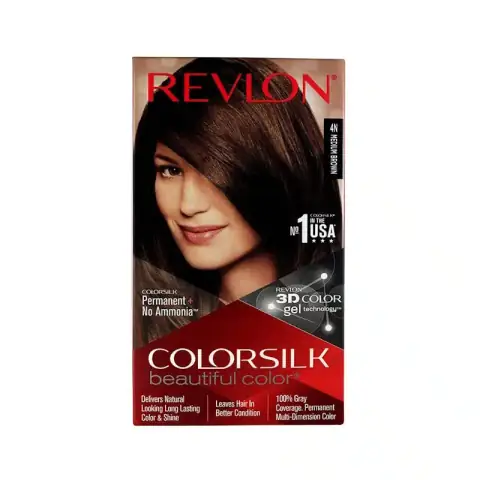
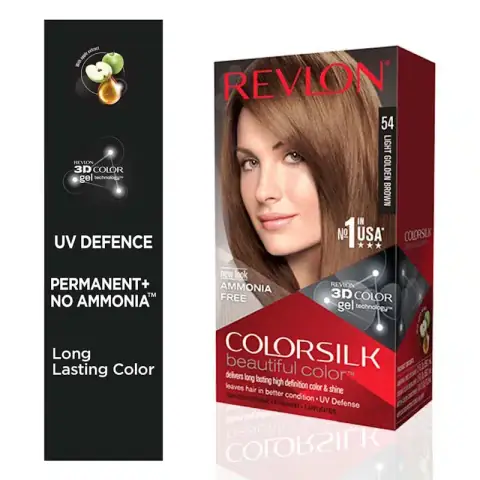
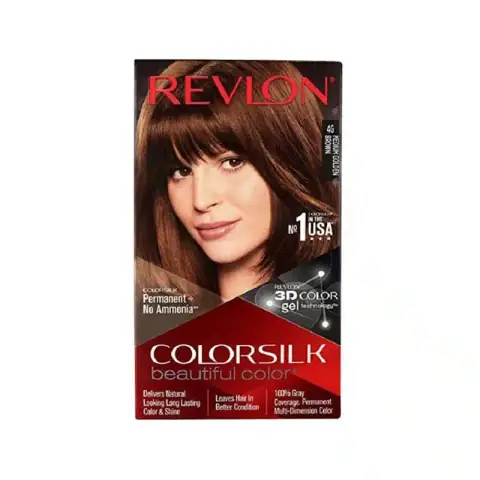
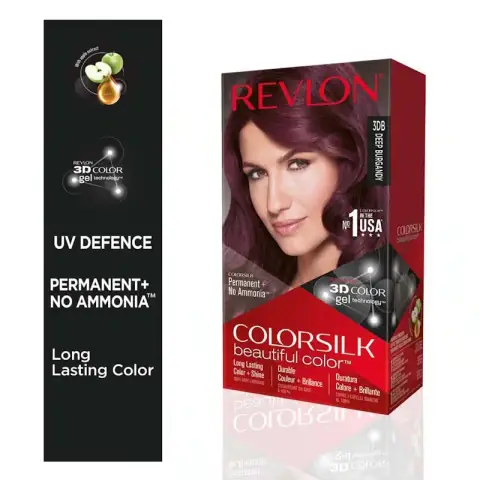
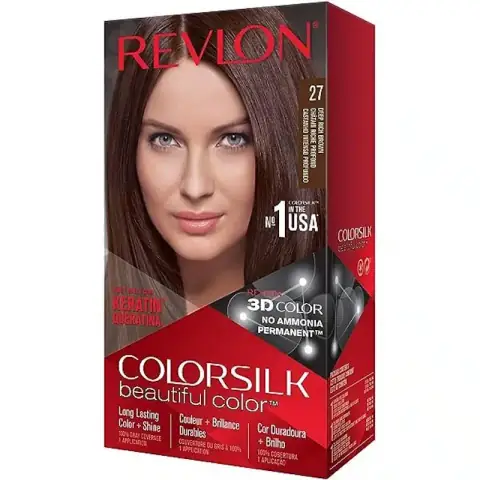
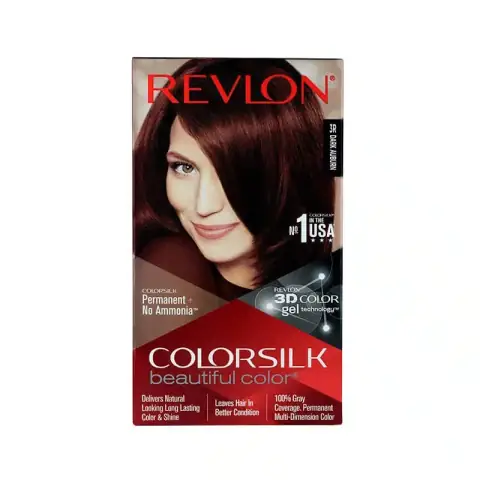
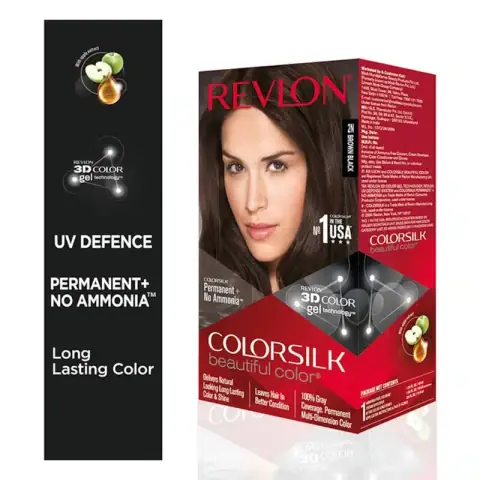
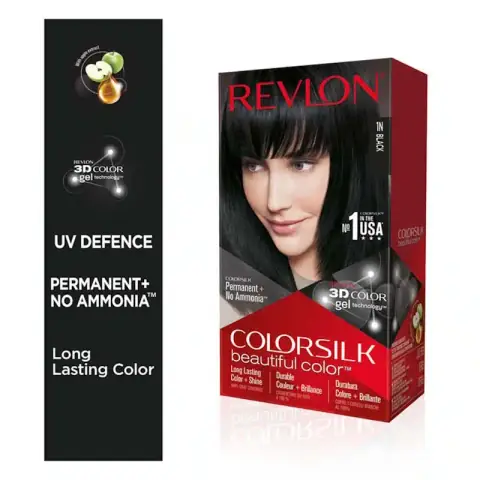
Revlon’s line features vibrant, long-lasting colors with easy application kits. Perfect for those seeking a salon-like finish at home. -
Godrej
A budget-friendly brand known for its coverage of grays and simple application process. Often favored by those seeking hair color for men and women alike. Find more at Lash Glue. -
Local Brands
Several local brands provide cost-effective solutions, catering to both hair color for girls and men. Always check reviews to ensure quality and color accuracy.
Hair Color for Brown Skin: Finding the Perfect Shade
Bangladesh’s diverse skin tones mean that selecting the right shade is crucial for a flattering result. Here are some recommendations: Worth exploring: Kids & Baby.
- Warm Browns and Chestnuts: Ideal for those who want a natural look that complements brown skin tones.
- Caramel Highlights: Adds dimension and warmth, perfect for those seeking a subtle yet striking change.
- Burgundy or Mahogany: Offers a rich, deep color that contrasts beautifully with medium to deeper skin tones.
- Ash Browns: For those who prefer a cooler look, ashy shades can be chic and modern.
Always consider your undertone (cool, warm, or neutral) when selecting a shade to ensure a harmonious outcome.
Hair Color for Girls and Men: Tips for a Stylish Look
-
For Girls: Customers love Health & Beauty in Bangladesh.
- Experiment with highlights or lowlights for dimension without a full-color commitment.
- Use semi-permanent dyes if you like to change your color often.
- Consider your hair’s health; opt for nourishing formulas to minimize damage.
-
For Men:
- Opt for natural browns or blacks if you’re simply covering grays or enhancing your existing shade.
- For a bolder style, try subtle highlights or a complete transformation to a lighter shade.
- Look for ammonia-free options if you have a sensitive scalp.
Tips for Maintaining Your Colored Hair
-
Use Color-Safe Products
Shampoos and conditioners formulated for colored hair help maintain vibrancy and prevent fading. A top choice: Router. -
Minimize Heat Styling
Excessive heat can strip color, leading to dullness. Always apply a heat protectant if using styling tools. -
Deep Condition
Regularly treat your hair with deep-conditioning masks or oils to replenish moisture lost during the coloring process. Don't miss Makeup Brush while shopping. -
Avoid Chlorine
Chlorine can alter your hair color. Wear a swimming cap or rinse your hair immediately after swimming in chlorinated pools.
Where to Buy Hair Color in Bangladesh
- Online Platforms: Websites like RuSu offer a wide selection of hair color products, allowing you to compare prices and read reviews before making a purchase.
- Local Beauty Stores: Physical shops in malls or marketplaces carry both international and local brands, enabling you to see product swatches and seek advice from store personnel.
- Professional Salons: For a more personalized approach, salons can recommend suitable brands and shades, ensuring professional application and results.
Conclusion
Understanding the hair color price in Bangladesh and the various types of products available can help you find the perfect shade that aligns with your budget and style preferences. Whether you’re interested in hair color for girls seeking trendy transformations, hair color for men looking to cover grays, or the convenience of a hair color shampoo, there’s an option for everyone. By following the right application techniques, maintaining your color with proper care, and choosing a reputable brand, you can achieve a vibrant, healthy-looking result that complements your look and boosts your confidence. Highly rated: Lifestyle.
Hair Color Trends in Bangladesh's Growing Beauty Market
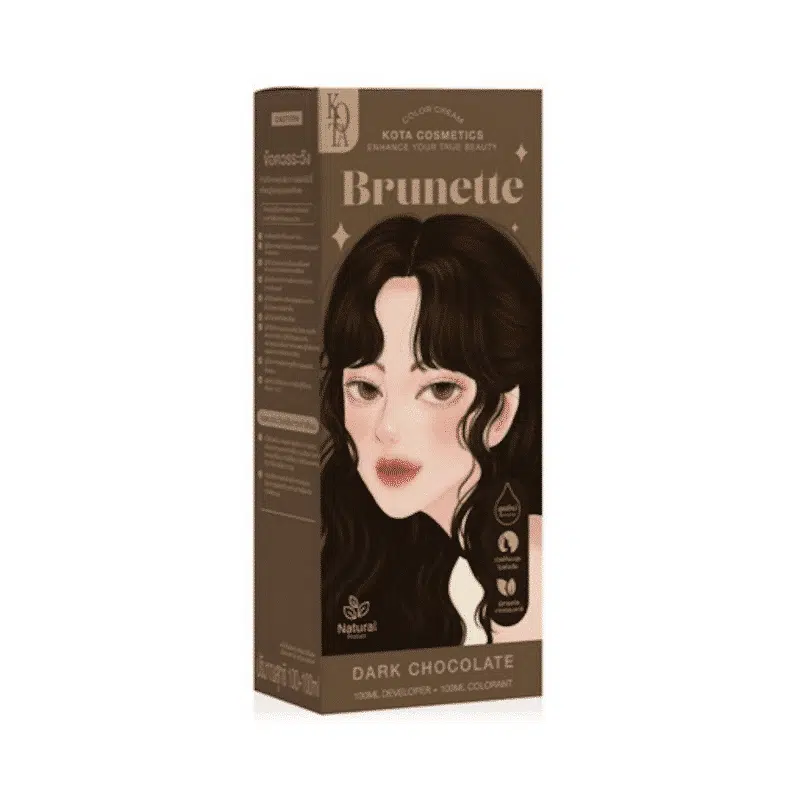
Bangladesh's hair color market has grown substantially as younger consumers embrace hair coloring as a form of self-expression. The most popular color choices reflect both global trends and local aesthetic preferences. Subtle highlights and balayage (freehand painted highlights that create a sun-kissed, natural gradient) are the most popular salon service for women who want a change without a dramatic color shift. These techniques work particularly well for Bangladesh's warm-toned skin, adding dimension without creating obvious regrowth lines. Bold colors — burgundy, wine, deep red — are popular choices that work beautifully against dark Bangladeshi hair without requiring significant pre-lightening. For those who want dramatic change: chocolate brown, warm auburn, and chestnut are the most requested shades that complement warm South Asian skin tones. Lighter shades (blonde, ash tones) require bleaching dark hair first and are both higher maintenance and more damaging — requiring professional application and a commitment to intensive conditioning. Social media platforms, particularly Instagram and YouTube, have created awareness of global color trends among Bangladeshi consumers, driving demand for professional color services in major cities.
Post-Color Hair Care for Bangladesh's Climate
After coloring, the care routine must adapt to protect the investment. Color-treated hair is more porous (the coloring process raises and permanently alters the cuticle structure) and more vulnerable to damage from heat, UV exposure, and harsh products. Use sulfate-free shampoo — traditional sulfate shampoos are effective detergents that strip color molecules along with oil and dirt, causing faster fade. Condition every wash with a color-safe conditioner; use a deep conditioning mask weekly to restore the moisture and protein lost in the coloring process. Minimize heat styling and always use heat protectant spray before any hot tool use. Bangladesh's UV exposure is severe enough to fade hair color meaningfully over time — UV-protective hair serums and wearing hats in direct sun significantly extends color vibrancy. Wash with cool rather than hot water — heat opens the cuticle and accelerates color escape with each wash. With proper care, a professional color service can maintain its freshness significantly longer in Bangladesh's conditions than in cooler climates. Consider Lip Care for your routine.
At-Home Hair Coloring in Bangladesh: Tips and Safety
At-home hair coloring is widely practiced in Bangladesh, with box dye products available across pharmacies and beauty shops. Safe at-home coloring requires careful adherence to instructions that many consumers skip. Always perform the patch test provided with the kit — apply a small amount of the mixed color to the inner elbow 48 hours before full application and assess for allergic reaction; hair dye allergy can develop suddenly even after years of using the same product, and allergic reactions to PPD (para-phenylenediamine, the primary colorant in permanent dyes) can be severe. Follow the timing instructions precisely — leaving dye beyond the recommended time damages the hair structure without providing more color. Apply petroleum jelly along the hairline, ears, and neck before dyeing to prevent staining. The most common at-home coloring mistakes in Bangladesh: choosing a color that's significantly lighter than natural hair color (which requires pre-lightening that over-the-counter products can't safely achieve); not doing a strand test before full application; mixing dye components in the wrong ratio; and attempting to achieve professional results from a single application when multiple sessions with professional guidance would be safer and more accurate.