









































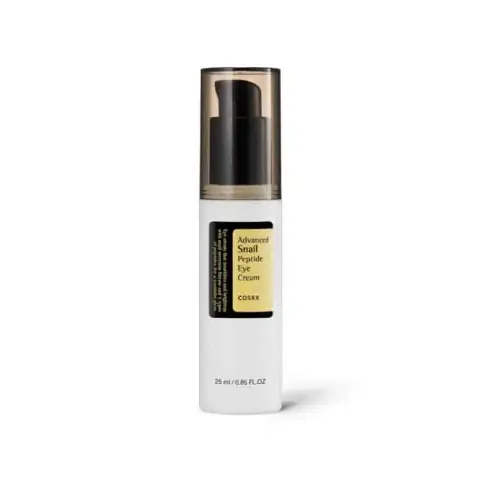
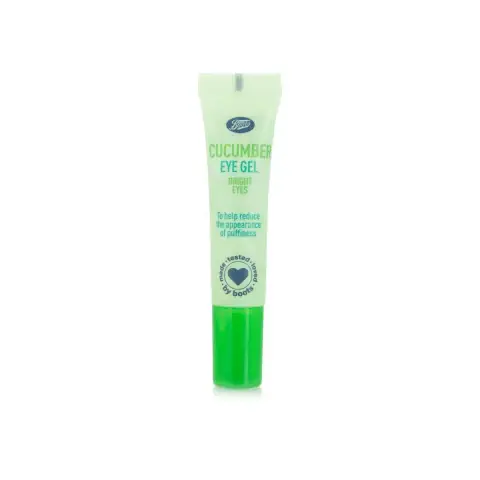
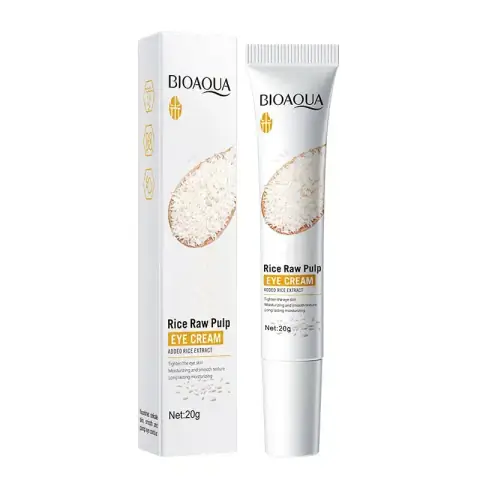
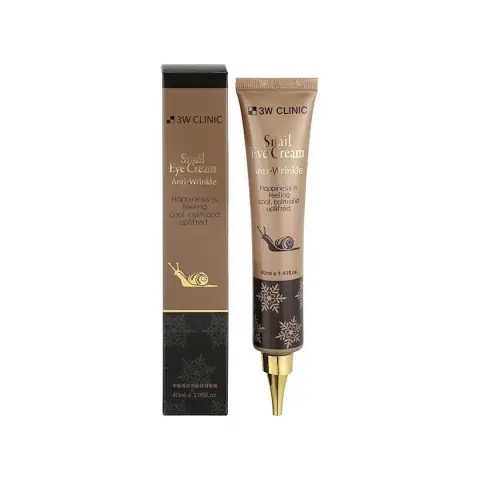
Why the Eye Area Deserves Special Attention
The skin around the eyes is the thinnest and most delicate skin on the entire body — approximately 0.5mm compared to 2mm elsewhere. This ultra-thin skin has fewer sebaceous glands (meaning it produces minimal natural oil), contains very little subcutaneous fat, and undergoes constant micro-movement from blinking (an average of 15,000–20,000 times per day) and facial expressions. These factors make the eye area the first place where signs of aging, fatigue, stress, and lifestyle habits manifest visibly.
Dark circles, under-eye puffiness, fine lines, crow's feet, and loss of firmness are universal concerns that affect people of all ages and skin types. In Bangladesh, lifestyle factors like long work hours, late nights, heat-induced dehydration, and high-stress urban living make these concerns particularly prevalent. Fortunately, targeted eye care with the right products and ingredients can make a visible, meaningful difference. Customers love RuSu in Bangladesh.
Understanding Common Eye Area Concerns
Dark Circles
Dark circles under the eyes have multiple possible causes, which is important to understand because different causes respond to different treatments: A top choice: Lash Glue.
- Vascular/Pigmentation (blue-purple tone): Blood vessels visible through the thin under-eye skin. Made worse by poor sleep, dehydration, and fatigue. Treated with vitamin K, caffeine, and peptide eye creams.
- Hyperpigmentation (brown tone): Excess melanin in the under-eye skin — common in South Asian skin tones due to genetic predisposition and sun exposure. Treated with vitamin C, niacinamide, kojic acid, and retinol eye products.
- Structural/Tear trough (shadow from hollowing): As we age, fat loss under the eye creates a hollow or shadow. This is primarily a structural issue best addressed by dermatologists or through techniques like hyaluronic acid fillers — topical products have limited effect here.
Under-Eye Puffiness and Bags
Puffiness under the eyes is typically caused by fluid retention, poor lymphatic drainage, high salt intake, allergens, or — for permanent "bags" — herniated fat pads as we age. Temporary morning puffiness usually resolves within an hour of waking. Caffeine in eye products helps constrict blood vessels and reduce fluid. Cooling eye masks and gua sha massage also dramatically reduce temporary puffiness. Persistent puffiness may require medical consultation. Don't miss Lifestyle while shopping.
Fine Lines and Crow's Feet
Fine lines around the outer corners of the eyes (crow's feet) and beneath the eye are among the first visible signs of aging. They result from the cumulative effects of facial movement, collagen breakdown, UV damage, and dehydration. Retinol, peptides, and hyaluronic acid are the most effective ingredients for reducing and preventing fine lines in the eye area. Highly rated: Lip Care.
Loss of Firmness and Sagging
As collagen and elastin production naturally declines with age, the eye area can develop a crepe-like texture or visible sagging. Collagen-stimulating ingredients like retinol, vitamin C, and peptides help slow this process. More advanced treatments include radiofrequency, ultrasound, and professional dermatology procedures for significant lifting results. Consider Earbuds for your routine.
Key Eye Care Ingredients and How They Work
Retinol and Retinoids
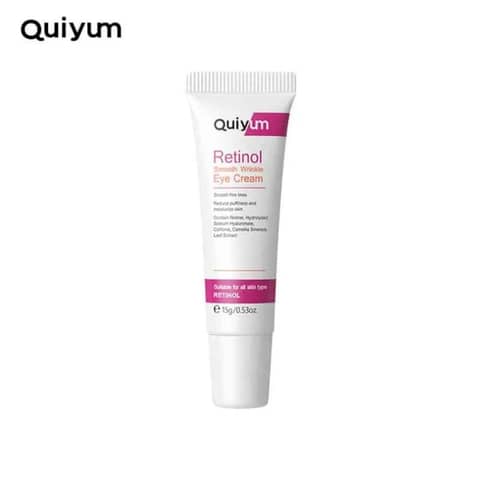
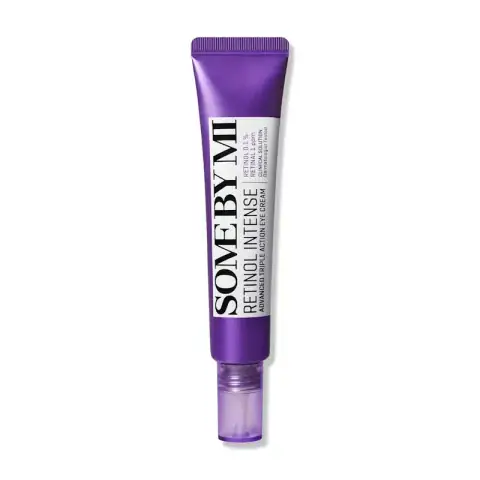
Retinol is the gold standard anti-aging ingredient for the eye area. It stimulates collagen production, accelerates cell turnover, reduces fine lines, and improves overall skin texture. Eye-specific retinol formulas are lower-concentration versions of facial retinol, designed for the delicate eye area. Start slowly (1-2 times per week) to avoid irritation, and always use SPF the following morning. With consistent use, retinol can produce dramatic improvements in fine lines and skin quality over 3–6 months. Trending now: Makeup Brush.
Caffeine
Caffeine is one of the most clinically supported ingredients for reducing under-eye puffiness and dark circles. It constricts blood vessels, reduces fluid retention, and improves circulation — all of which directly reduce puffiness and the blue-purple discoloration of vascular dark circles. Products with caffeine work best when applied cold (refrigerate your eye cream overnight) and massaged in with a light tapping motion. Browse Makeup for more options.
Vitamin C
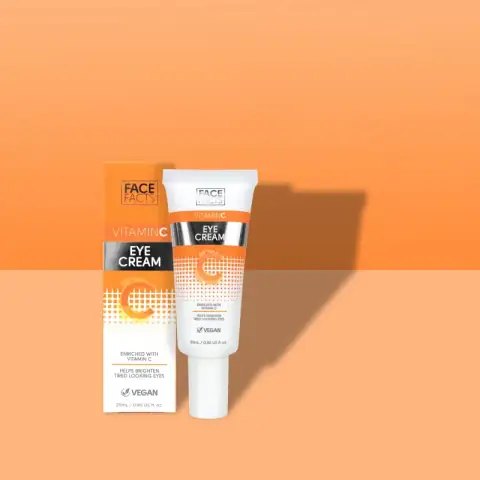
Vitamin C (as ascorbic acid, sodium ascorbyl phosphate, or other stable derivatives) brightens hyperpigmented dark circles, stimulates collagen production, and protects against UV-induced damage. Look for stabilized vitamin C formulas for the eye area — pure ascorbic acid can be unstable and irritating in higher concentrations around the sensitive eye zone. Explore Teeth Care on our store.
Peptides
Peptides are short chains of amino acids that signal the skin to produce more collagen and elastin. Different peptides target different concerns: Matrixyl (palmitoyl pentapeptide-4) stimulates collagen; Argireline (acetyl hexapeptide-3) relaxes repeated facial muscle contractions that cause crow's feet; Eyeseryl (acetyl tetrapeptide-5) specifically targets under-eye puffiness. Peptide eye creams are gentle, well-tolerated, and highly effective with consistent use.
Hyaluronic Acid
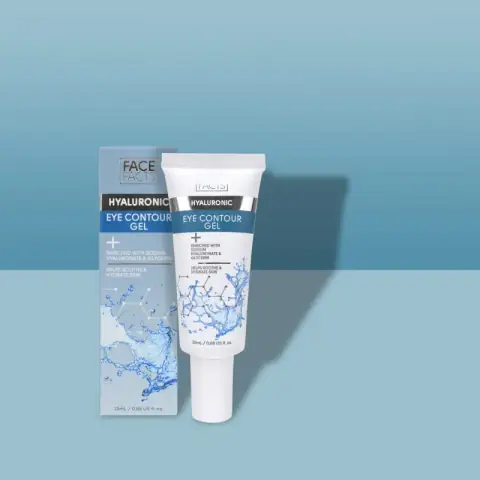
Hyaluronic acid plumps fine lines by attracting and retaining water in the skin. In eye creams, it provides immediate plumping and hydrating effects that temporarily improve the appearance of fine lines and dryness. It also helps other active ingredients penetrate more effectively. Hyaluronic acid is well-tolerated by all skin types, including very sensitive eye areas. Discover Hair Color for quality choices.
Niacinamide
Niacinamide (vitamin B3) helps reduce hyperpigmentation dark circles, strengthen the skin barrier, and reduce inflammation. It's one of the most well-tolerated brightening ingredients and pairs beautifully with vitamin C for a synergistic brightening effect. Its barrier-strengthening properties also help the under-eye skin retain moisture more effectively. Shoppers also recommend Mascara.
Vitamin K
Vitamin K plays a role in blood clotting and capillary health. In eye care, it's used to reduce the appearance of vascular dark circles by strengthening the capillary walls beneath the thin under-eye skin, reducing the blue-purple discoloration associated with blood vessels showing through. It's often combined with caffeine and retinol for a comprehensive approach to dark circles. Check out Online Grocery Shop for great picks.
Under-Eye Patches: A Game-Changer for Instant Results
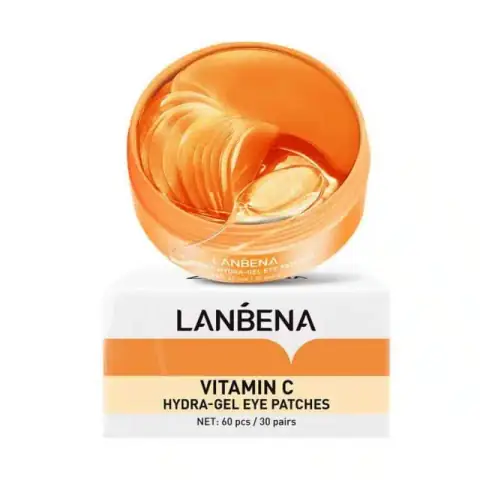
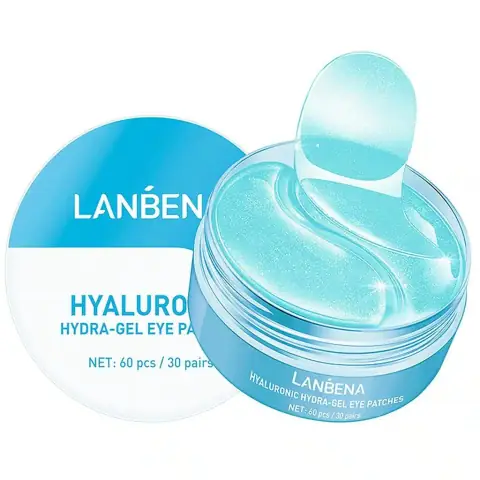
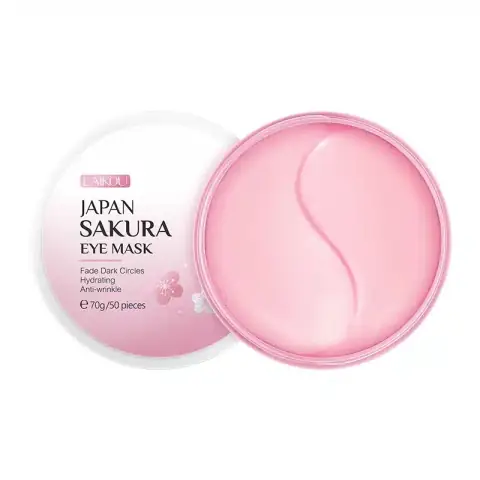
Under-eye patches are adhesive hydrogel or collagen pads saturated with concentrated serums. They deliver an intense burst of hydrating, brightening, and de-puffing ingredients directly to the under-eye area. Most patches are designed to be worn for 15–20 minutes for instant depuffing and plumping before an important event or as a weekly skin care treat. Some patches contain fermented ingredients, gold, or specialty complexes. They're a popular K-beauty product and have become widely available in Bangladesh. See our Cleanser collection.
How to Apply Eye Products Correctly
The eye area requires a gentle touch. Never drag or rub eye cream — this stretches the delicate skin and can worsen fine lines. Instead: Popular with buyers: Hair Mask.
- Use your ring finger (naturally the weakest finger) to apply a pea-sized amount of eye cream
- Tap gently along the orbital bone (the bony rim around the eye socket), not directly under the lash line
- Work from the inner corner to the outer corner
- Tap gently until absorbed — don't rub
- Apply morning and night as directed by your specific product
Eye Care Routine for Bangladesh's Climate
Heat and humidity in Bangladesh make a lighter, gel-based eye product preferable during the day — thick, heavy eye creams can feel uncomfortable and may migrate into the eyes in warm weather. Reserve richer, cream-based treatments for nighttime. Refrigerating eye products adds a cooling element that helps with puffiness — a particularly appreciated benefit in Bangladeshi heat. Always apply SPF on and around the eye area during the day, as sun damage is a leading cause of dark circles and premature aging. Find more at BB Cream.
Shop Eye Care Products at RuSu
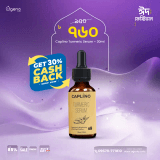
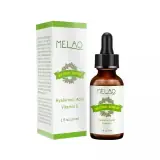
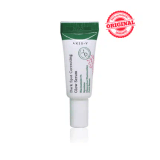
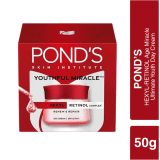
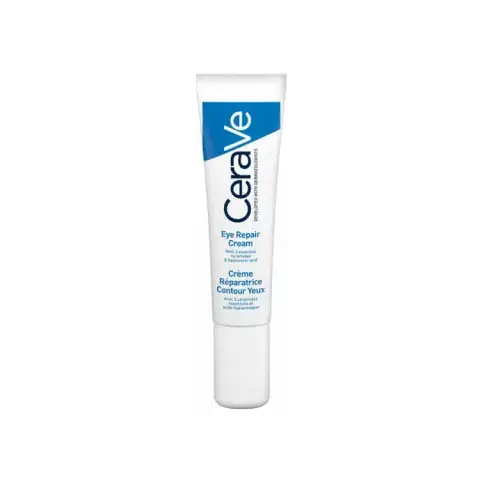
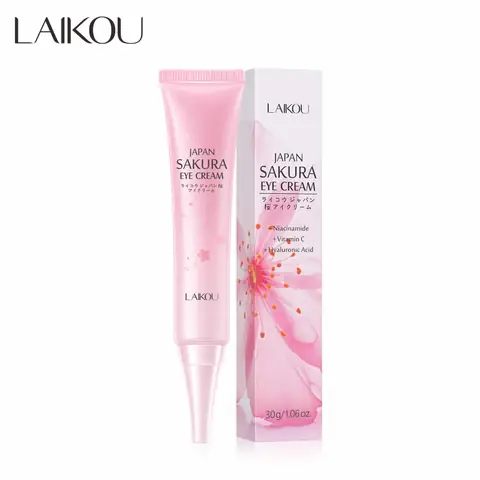
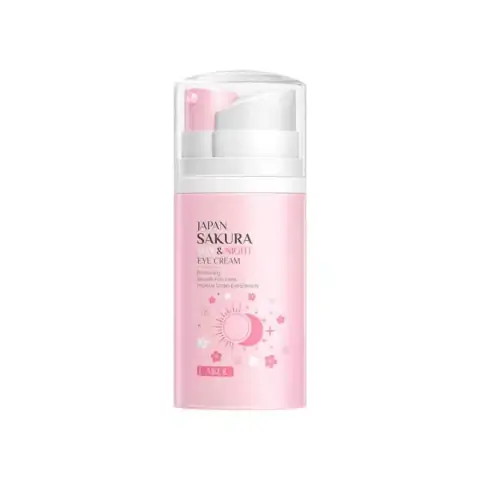
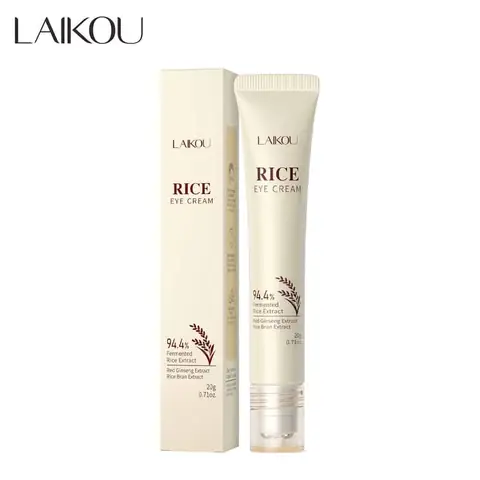
Browse our comprehensive eye care collection featuring eye creams, serums, eye masks, under-eye patches, and specialized treatments from trusted brands available in Bangladesh. Whether you're targeting stubborn dark circles, persistent puffiness, or early fine lines, our range of products — from affordable everyday options to premium formulas — provides solutions for every eye concern and budget. Enjoy fast delivery across Dhaka and Bangladesh. Worth exploring: Pain Relief.
Eye Cream Layering: Getting the Order Right
The correct layering order for eye care products maximizes their effectiveness. Apply eye products from thinnest to thickest consistency: eye serum (most watery, penetrates deepest) first, followed by eye cream (thicker, seals in serum and provides additional benefits), then if using an eye oil, apply last as the most occlusive layer. For morning routines, always finish with SPF around the eye area (use regular facial SPF with careful application or a dedicated eye SPF). At night, you can apply more generous amounts of eye cream and any specialized treatments, as there's no concern about formulas interfering with sunscreen. Customers love Gel in Bangladesh.
Eye Care for Different Ages
Eye care needs evolve significantly across different life stages. In your 20s: focus on prevention — a hydrating eye cream and daily SPF are sufficient; avoid heavy creams that can cause milia at this age. In your 30s: introduce peptide eye creams and caffeine formulas; begin addressing any early fine lines with a low-strength retinol eye product 1-2 nights per week. In your 40s and beyond: more intensive treatment is warranted — stronger retinol, peptide complexes like Matrixyl and Argireline, and possibly professional treatments for significant changes. Vitamin C eye serums for brightening become more important as sun damage accumulates. At any age, consistency matters more than the expense of the product — a moderately priced eye cream used daily beats an expensive one used occasionally. A top choice: Hair Oil.
Professional Treatments for Advanced Eye Concerns
When topical products reach their limits, professional treatments offer more dramatic results. Hyaluronic acid fillers in the tear trough area (under-eye hollow) are one of the most popular cosmetic procedures in Bangladesh, effectively addressing structural dark circles and under-eye hollowing that topical products cannot treat. Chemical peels formulated for the eye area improve hyperpigmentation and fine lines with professional supervision. Radiofrequency and laser treatments improve firmness and skin quality. For permanent puffiness from herniated fat pads, blepharoplasty is the only truly effective solution. Consult with a certified dermatologist or cosmetic doctor in Bangladesh for personalized recommendations if topical eye care alone isn't achieving your goals.