






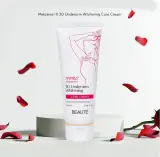






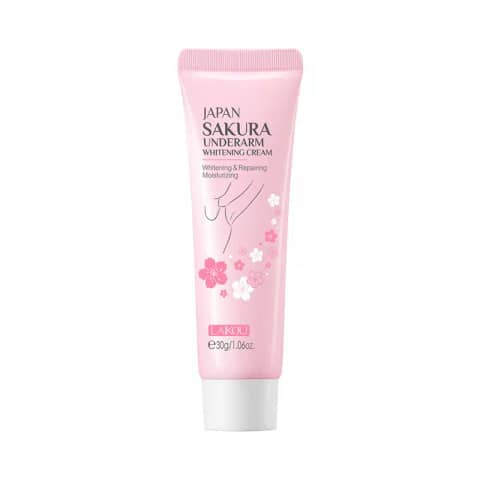
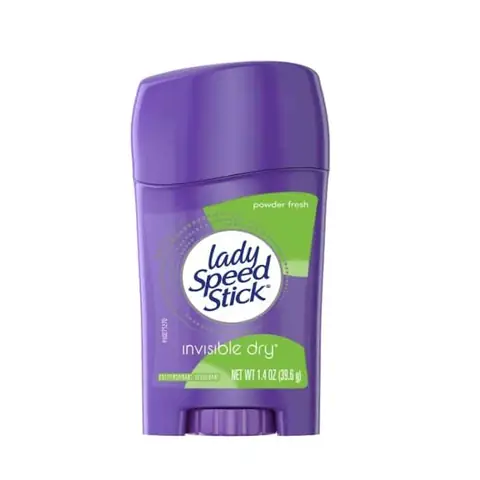
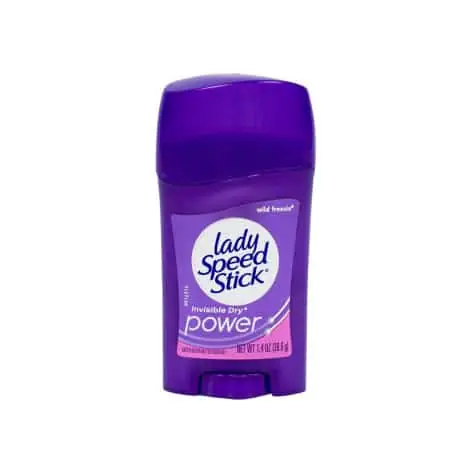
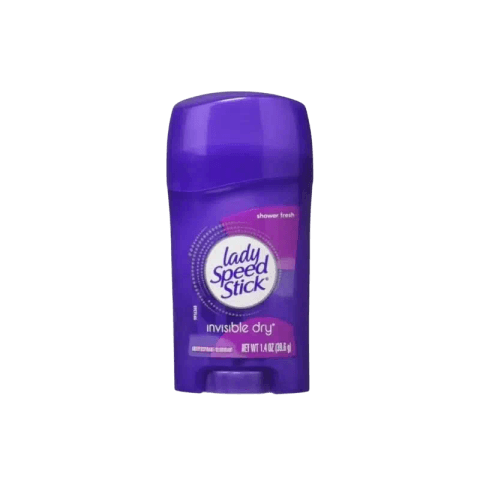
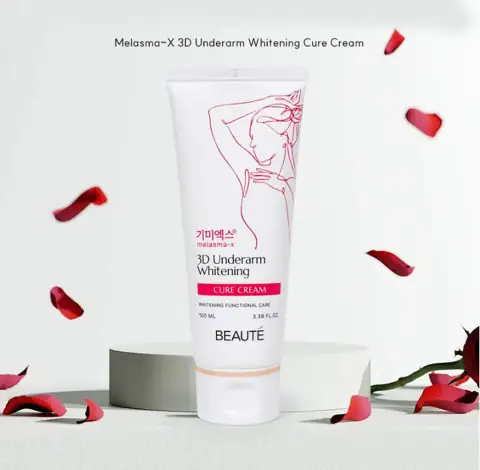
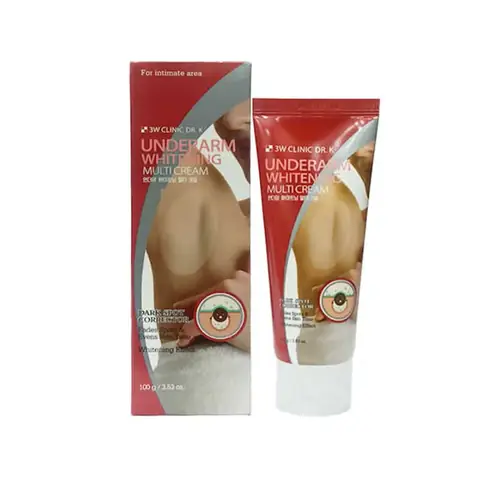
Underarm skin care has become an increasingly discussed topic in Bangladesh, driven by both practical concerns — odor management in a hot, humid climate — and aesthetic concerns around underarm darkening and skin texture. The underarm area presents unique skincare challenges: it's a high-friction zone prone to irritation, it produces sweat and harbors odor-causing bacteria, and the thin, sensitive skin is in constant contact with clothing, deodorant chemicals, and the friction of arm movement. Understanding underarm skin physiology and appropriate care makes managing all these concerns more effective. Customers love RuSu in Bangladesh.
Understanding Underarm Odor: The Science and Solutions
Body odor from the underarm area is not caused by sweat itself — sweat is initially odorless. The characteristic odor develops when bacteria naturally present on the skin surface metabolize sweat compounds, particularly the fatty acids and proteins secreted by apocrine glands (the larger sweat glands in the underarm, different from the eccrine glands elsewhere). The primary odor bacteria are Corynebacterium and Staphylococcus species. Bangladesh's climate — high temperatures and humidity that promote sweating, and the enclosed underarm environment — creates ideal conditions for bacterial proliferation and odor development. A top choice: Baby Skincare.
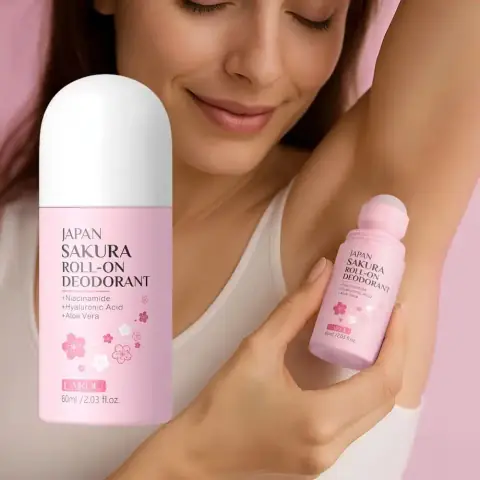
The two main approaches to odor management: deodorants mask or neutralize odor and contain antibacterial agents that reduce the bacterial population responsible for odor; they do not reduce sweating. Antiperspirants contain aluminum salts that temporarily block sweat ducts, reducing the amount of sweat produced — less substrate for bacteria means less odor. In Bangladesh's climate, antiperspirant-deodorant combinations (both block sweat and combat bacteria) provide the most comprehensive protection for heavy sweating. For daily odor management, applying after showering to completely dry underarms is essential — wet underarms dilute and reduce the effectiveness of both products. Don't miss Face Toner while shopping.
Underarm Darkening: Causes and Treatments in Bangladesh
Underarm darkening (axillary hyperpigmentation) is an extremely common concern, particularly in South Asian skin which has more melanocytes (pigment-producing cells) that respond more intensely to stimuli. The primary causes in Bangladesh: friction from tight clothing and the constant movement of arms darkens skin through repeated physical stimulation of melanocytes; shaving (the most common hair removal method) creates micro-injuries and friction that trigger post-inflammatory hyperpigmentation; hair removal creams (depilatories) can cause irritant contact dermatitis that leads to pigmentation; deodorant and antiperspirant ingredients (aluminum compounds, alcohol) can irritate sensitive underarm skin, triggering darkening; hormonal changes (pregnancy, PCOS, insulin resistance — conditions common in Bangladesh) are associated with axillary darkening through increased melanin stimulation. Consider Diaper for your routine. Highly rated: Dark Circles.
Treatment approaches for underarm darkening: switch from shaving to waxing or laser hair removal which removes hair from below the skin surface rather than cutting it at surface level, dramatically reducing friction-induced darkening; use fragrance-free, alcohol-free deodorants that are gentler on the sensitive skin; apply brightening actives like niacinamide (5-10%), kojic acid, vitamin C, or azelaic acid to the underarm skin after hair removal; exfoliate gently once weekly to remove dead skin accumulation; wear loose-fitting cotton clothing to reduce friction. Results from topical brightening take 8-12 weeks of consistent use to appear — the timeline is similar to facial hyperpigmentation treatment. Trending now: Foundation.
Hair Removal Methods for Underarms in Bangladesh
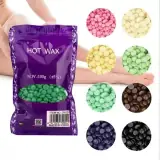
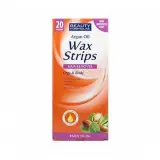
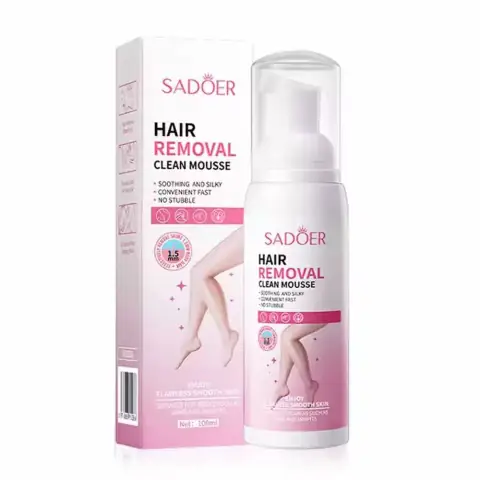
Underarm hair removal is nearly universal in Bangladesh for both hygiene and aesthetic reasons. The options and their skin implications: Shaving is the most accessible and fastest method but causes the most skin issues long-term — frequent micro-injuries, ingrown hairs, and repeated friction contribute to darkening and ingrown hair bumps. Waxing removes hair from the follicle for 3-6 weeks of smoothness, creates less surface trauma than shaving, but can cause temporary redness and is more painful — choose cold wax or professional service to minimize irritation. Hair removal creams use alkaline chemicals to dissolve hair at the surface — fast and painless but potentially irritating to sensitive underarm skin; always patch test and follow the time instructions exactly to avoid chemical burns. Laser hair removal is the most permanent solution — after several sessions, hair regrowth significantly reduces and the skin responds with less darkening over time; increasingly available and affordable in Bangladeshi cities. Threading — used for underarms in some salons — provides waxing-like results with minimal chemical contact. Browse Face Mask for more options.
Underarm Skin Care Routine for Bangladesh's Climate
A practical underarm skin care routine adapted for Bangladesh: Daily — shower with gentle, antibacterial body wash; pat (don't rub) completely dry before applying deodorant/antiperspirant; apply deodorant to completely dry skin. Weekly — gentle exfoliation with a soft loofah or AHA body lotion (lactic acid) helps prevent ingrown hairs and removes dead skin accumulation. Post-hair-removal — apply a soothing gel (aloe vera, fragrance-free) immediately after any hair removal to reduce inflammation; wait 12-24 hours before applying deodorant to freshly waxed or shaved skin; apply brightening moisturizer (niacinamide-containing) starting 24 hours after hair removal as part of regular darkening prevention. Ongoing — use loose cotton or moisture-wicking undergarments to reduce friction and allow skin to breathe in Bangladesh's heat. Discover Dress for quality choices. Explore Eye Serum on our store.
Particularly in Bangladesh's monsoon months when heat and humidity are extreme, changing clothing if sweating heavily and reapplying deodorant when needed maintains hygiene and comfort throughout the day. Clinical strength antiperspirants (applied at night before sleep, rather than after morning showering, for maximum effectiveness) provide significantly better sweat control for people who find standard deodorants insufficient in Bangladesh's summer. Shoppers also recommend Highlighter.
Managing Ingrown Hairs in the Underarm Area
Ingrown hairs are a common underarm concern, particularly for those who shave or use depilatory creams. An ingrown hair forms when the hair curls back into the skin rather than growing out of the follicle, causing a red, sometimes infected bump that can be painful and contribute to the post-inflammatory hyperpigmentation that darkens the underarm skin. Prevention is significantly more effective than treatment. Exfoliating the underarm area gently once or twice weekly removes the dead skin that blocks hair from growing straight outward — a loofah during showering or a gentle AHA lotion provides adequate exfoliation. Shaving in the direction of hair growth (for most people, generally downward in the underarm area) rather than against it significantly reduces ingrown hair formation. Keeping the razor sharp — using dull blades increases the chance of hairs being caught and redirected under the skin. Waxing, which removes hair from the follicle root rather than cutting it at the surface, produces significantly fewer ingrown hairs than shaving for most people when performed correctly. Check out Face Wash for great picks.
Nutritional and Lifestyle Factors Affecting Underarm Health
Underarm skin health reflects broader body health in ways that topical products alone cannot address. Hydration levels affect skin quality throughout the body including the underarm area — well-hydrated skin is more supple, heals faster from hair removal micro-trauma, and is less prone to the dry, rough texture that collects dead skin. Diet affects body odor chemistry — certain foods (garlic, onions, red meat, alcohol, and some spices) produce volatile compounds that are excreted through sweat glands, creating characteristic body odors. While eliminating these foods isn't practical or necessary, awareness of their effect is useful. Hormonal fluctuations (menstrual cycle, pregnancy, menopause, thyroid conditions) significantly affect both sweating intensity and underarm skin pigmentation — conditions like PCOS (polycystic ovary syndrome), common in Bangladesh, are associated with acanthosis nigricans (darkening of skin in body folds including underarms). If underarm darkening is significant and accompanied by other symptoms, consulting a physician to rule out metabolic causes is worthwhile alongside topical treatment. Popular with buyers: Toys. See our Moisturizing collection.
Men's Underarm Care in Bangladesh
Men in Bangladesh face specific underarm concerns often unaddressed in general beauty content. Male sweat glands are typically larger and more active than female sweat glands, producing more sweat per gland — a meaningful difference in Bangladesh's heat that makes underarm odor management more challenging. Clinical-strength antiperspirants (higher aluminum salt concentration than standard formulas) applied at night to dry underarms before sleep are particularly beneficial for men with heavy sweating, providing better protection than standard products applied in the morning. Underarm hair in men creates additional surface area for odor-causing bacteria — regular trimming (without complete removal) maintains hygiene benefits without requiring complete hair removal. For darkening (which also affects men, though less commonly discussed): niacinamide creams applied after showering and wearing loose, breathable fabrics reduce ongoing friction-induced pigmentation. Men with body hair in the underarm area who experience repeated ingrown hairs and bumps may benefit from professional laser hair reduction, which is increasingly accepted and available for men in Bangladesh's cities. Maintaining clean, well-fitting clothing that doesn't trap excessive underarm moisture is the simplest men's underarm care strategy for Bangladesh's climate. Find more at Loose Powder.
Laser Hair Removal for Underarms: Growing Option in Bangladesh
Laser hair removal for underarms has moved from a niche luxury to an increasingly accessible option in Bangladesh's growing aesthetics sector. Available in dermatology clinics and medical aesthetic centers primarily in Dhaka and other major cities, laser hair removal uses concentrated light to damage hair follicles, reducing hair regrowth over multiple sessions. The benefits for underarm skin: elimination of the repeated micro-trauma of shaving or waxing that contributes most to underarm darkening; permanent reduction in hair density for long-term smoothness and easier maintenance; reduced ingrown hair formation; and overall skin texture improvement over time as the skin is no longer repeatedly irritated by hair removal. Multiple sessions (typically 6-10 for the underarm area) spaced 4-6 weeks apart are required for optimal results, as the laser only affects hair in its active growth phase. Bangladesh's darker skin tones historically had higher risk of pigmentation changes from older laser technologies — newer Nd:YAG and diode lasers are safe and effective for dark skin when used by trained practitioners at appropriate settings. Consult with a board-certified dermatologist to assess suitability and ensure the clinic uses appropriate equipment for your skin tone. Worth exploring: Facial Scrub.