
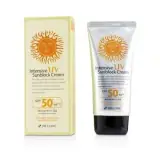


Counterfeit cosmetics are not just a waste of money. Regulators in several countries have tested seized fake makeup and skincare and found bacteria, heavy metals such as lead, and ingredients that are banned in cosmetics. Because fakes are copied from real packaging, they can be hard to spot at a glance — especially when you are shopping online and only see a photo.
The good news: most fakes fail at least one of the simple checks below. Use them whenever you buy skincare or makeup, wherever you buy it.
1. Is the price too good to be true?
Genuine imported products have a fairly predictable cost once shipping and import duties are paid. If a well-known serum or sunscreen is selling at half the usual market price, ask why. A short promotion or a clearance of near-expiry stock can explain a discount; a permanent rock-bottom price usually cannot.
2. Look closely at the packaging and printing
Brands spend a lot on packaging, and copies rarely match it exactly. Compare the product with the photos on the brand's official website and look for:
- Spelling and grammar mistakes on the box or label
- Blurry, faded or misaligned print, or colours that look slightly "off"
- Cheap materials — flimsy boxes, loose caps, thin plastic
- Missing details such as the manufacturer's address, net quantity or country of origin
3. Check the batch code and expiry date
Almost every genuine cosmetic carries a batch (lot) code — a short string of letters and numbers printed or embossed on the product and usually on the box too. On a genuine product the two normally match. Many brands' batch codes can be decoded on free websites such as CheckFresh or CheckCosmetic, which tell you roughly when the product was made. A missing, smudged or mismatched code is a warning sign.
Also look for an expiry date or a "period after opening" symbol (a small open jar with a number such as 12M). We explain all of these in our guide to reading cosmetic labels.
4. Read the barcode — but don't rely on it alone
The first digits of a barcode show the country where the company registered the code, for example 880 for South Korea, 45 or 49 for Japan and 890 for India. A Korean brand with a barcode from an unrelated country deserves a second look. Keep in mind that counterfeiters can copy real barcodes, so a correct barcode does not prove a product is genuine — it is only one check among several.
5. Make sure the seal is intact
Creams, serums and sunscreens usually come with a plastic shrink-wrap, a foil seal under the cap or a tamper-evident sticker. If the seal is missing, torn or looks re-glued, don't use the product. A broken seal can mean a used, tampered or refilled item.
6. Compare texture, colour and smell
If you have used the genuine product before, trust your senses. A fake often has a different consistency (runnier or grainier), a slightly different shade, an unusually strong perfume or a chemical smell. Separation into layers, lumps or mould are clear signs that the product should go in the bin, genuine or not.
7. Check the ingredient list
Genuine products list their ingredients using standard international (INCI) names, usually starting with water (Aqua) for creams and serums. Look up the product on the brand's official site and compare the first few ingredients. A missing ingredient list, or one that is very different from the brand's own, is a red flag.
8. Be very careful with unlabelled "whitening" creams
Fairness and "instant whitening" creams sold in plain jars, without a brand or ingredient list, are among the riskiest products on the market. The World Health Organization has warned that some skin-lightening creams contain mercury, and others contain strong steroid medicines that should only be used under a doctor's supervision. If a product promises dramatic whitening in a few days and doesn't say what is inside, avoid it.
9. Check who is selling it
The seller matters as much as the product. Before ordering, check that the shop:
- Says where its products come from (authorised distributors or verified suppliers)
- Shows a real phone number and a physical address
- Has a written return policy that covers wrong, damaged, defective and expired items
- Answers questions before you buy — for example, sending a photo of the batch code or expiry date
Our 9-point checklist for choosing an online cosmetics shop goes through this step by step.
10. Read reviews with a critical eye
Customer photos and detailed reviews are more useful than star ratings. Look for comments that mention texture, scent and results, and be wary of many short, similar five-star reviews posted on the same day. Reviews on independent platforms and social media groups are also worth checking.
What to Do If You Think You Bought a Fake
- Stop using it. If you have any itching, burning, swelling or rash, wash the area and see a doctor.
- Take photos of the product, box, batch code and seal.
- Contact the seller quickly — most shops have a short return window.
- Warn others with an honest review once the issue is settled.
How We Source Products at RuSu
At RuSu, products are sourced from authorised distributors and verified suppliers. If you ever receive a wrong, damaged, defective or expired item, you can contact us within 3 days of delivery and we will replace it or refund you — see our return policy for the details. You are always welcome to message us before ordering to ask for a photo of a product's batch code or expiry date.
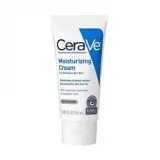
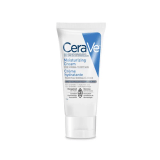
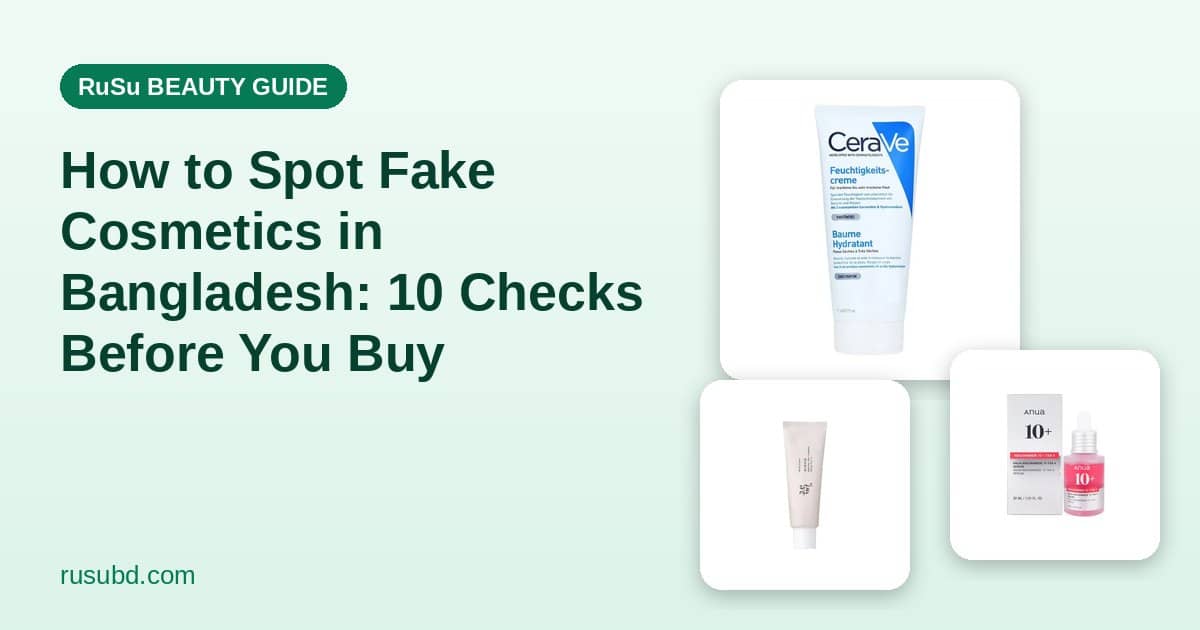
Popular brands you can check this way include CeraVe, COSRX and Beauty of Joseon — for example the CeraVe Moisturising Cream or the Beauty of Joseon Relief Sun sunscreen. Browse our full skin care range to see what's in stock.
Frequently Asked Questions
Can a fake product have a real barcode?
Yes. Counterfeiters often copy genuine barcodes, so a barcode that scans correctly is not proof of authenticity. Use it together with the batch code, packaging, seal and seller checks.
Does a lower price always mean a product is fake?
Not always. Promotions, bundle offers and stock that is closer to its expiry date can be sold for less. What matters is whether the seller can explain the price and stands behind the product with a clear return policy.
Are products without a Bangla or importer sticker fake?
Not necessarily, but it is reasonable to ask the seller where the product was imported from. A trustworthy seller will be able to tell you.