













Why Acne Is Especially Common in Bangladesh
Acne affects an estimated 85% of people between the ages of 12 and 35. In Bangladesh, the problem is compounded by high humidity (which increases sebum production and bacterial activity), pollution, dietary habits, stress, and hormonal factors.
Understanding the root cause of your acne is the first step to treating it effectively.
What Actually Causes Acne?
Acne forms when hair follicles become clogged with sebum (skin oil) and dead skin cells. The result is:
- Blackheads: Open comedones — the clog is exposed to air and oxidises to black
- Whiteheads: Closed comedones — the clog is sealed under skin
- Papules: Small, raised, red bumps — inflammation without pus
- Pustules: The classic "pimple" — red base with white/yellow pus
- Cysts/Nodules: Deep, painful, severe — require professional treatment
Key Contributing Factors
- Hormones: Androgens (testosterone) increase sebum production — why acne peaks during puberty and around menstruation
- Diet: High-glycaemic foods (white rice, sugar, bread) and dairy have the strongest evidence for worsening acne
- Wrong skincare: Comedogenic (pore-clogging) products, harsh cleansers that strip the skin barrier
- Touching your face: Transfers bacteria and debris to pores
- Unwashed pillowcases: Harbour bacteria and old skin cells — wash weekly
- Stress: Increases cortisol, which increases sebum production
The Science-Backed Ingredients That Work
Salicylic Acid (BHA)
Oil-soluble, meaning it penetrates inside the pore to dissolve sebum and dead cells. Excellent for blackheads, whiteheads, and congested pores. Use in cleanser, toner, or spot treatment. Start with 0.5–1% to avoid irritation.
Benzoyl Peroxide
Kills acne-causing bacteria (C. acnes) directly. Very effective for inflamed papules and pustules. Can bleach fabric — rinse off thoroughly. Start with 2.5% (as effective as 10% with less irritation).
Niacinamide
Regulates sebum production, soothes inflammation, fades post-acne marks, and strengthens the skin barrier. Can be used twice daily, morning and night. One of the most universally tolerated actives — great for sensitive and acne-prone skin.
Retinol / Retinoids
Speeds cellular turnover, preventing dead skin cells from building up and clogging pores. Also fades acne scars over time. Start 2x per week at night; always use SPF the next morning.
Azelaic Acid
Anti-bacterial, anti-inflammatory, and brightening. Particularly good for dark post-acne marks (PIH) on darker skin tones. Well-tolerated even during pregnancy.
Building an Acne-Fighting Routine
Morning: Gentle cleanser → niacinamide serum → lightweight oil-free moisturiser → SPF 50
Evening: Double cleanse → BHA toner or salicylic acid serum → niacinamide → spot treat with benzoyl peroxide or retinol (not on the same night) → gel moisturiser
What NOT to Do
- Don't pop or squeeze — spreads bacteria and causes scarring
- Don't over-cleanse — washing more than twice daily destroys the skin barrier
- Don't use multiple actives at once when starting — causes irritation
- Don't skip moisturiser — dehydrated skin overproduces oil
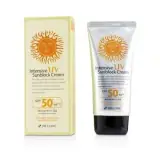
- Don't skip SPF — UV exposure darkens post-acne marks significantly
Shop Acne Care at RuSu
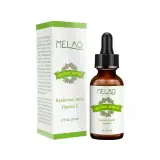
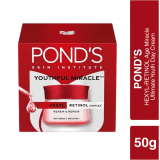
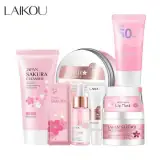
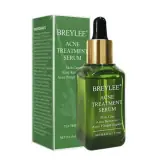
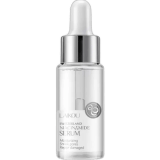
Find our complete Acne Care collection — salicylic acid cleansers, niacinamide serums, spot treatments, and oil-free moisturisers that help clear and prevent breakouts.