







Lips are different from the rest of your face. The skin is much thinner, and lips have no oil glands of their own, so they lose moisture quickly and can't protect themselves well from sun and weather. That's why they crack in winter, darken in the sun and peel when you're dehydrated. The good news is that a simple routine fixes most lip problems.
Why Lips Get Dry and Chapped
- Licking your lips — saliva evaporates quickly and contains enzymes that leave lips drier than before
- Dry or windy weather, especially in winter
- Sun exposure without protection
- Not drinking enough water
- Breathing through your mouth, for example during a cold or while sleeping
- Irritating ingredients in some lip products, toothpastes or strongly flavoured balms
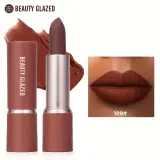
- Long-wear matte lipsticks, which can be drying
Why Lips Get Darker
Lip colour is partly genetic, and some darkening is natural in medium and deeper skin tones. It can become darker because of:
- Sun exposure without SPF protection
- Smoking
- Constant licking, biting or rubbing
- Irritation or allergy to a product
- Dehydration and repeated chapping
Protecting lips from the sun and keeping them healthy usually brings a gradual improvement over a few months.
A Simple Lip Care Routine
During the day
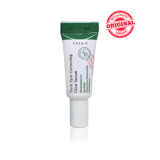
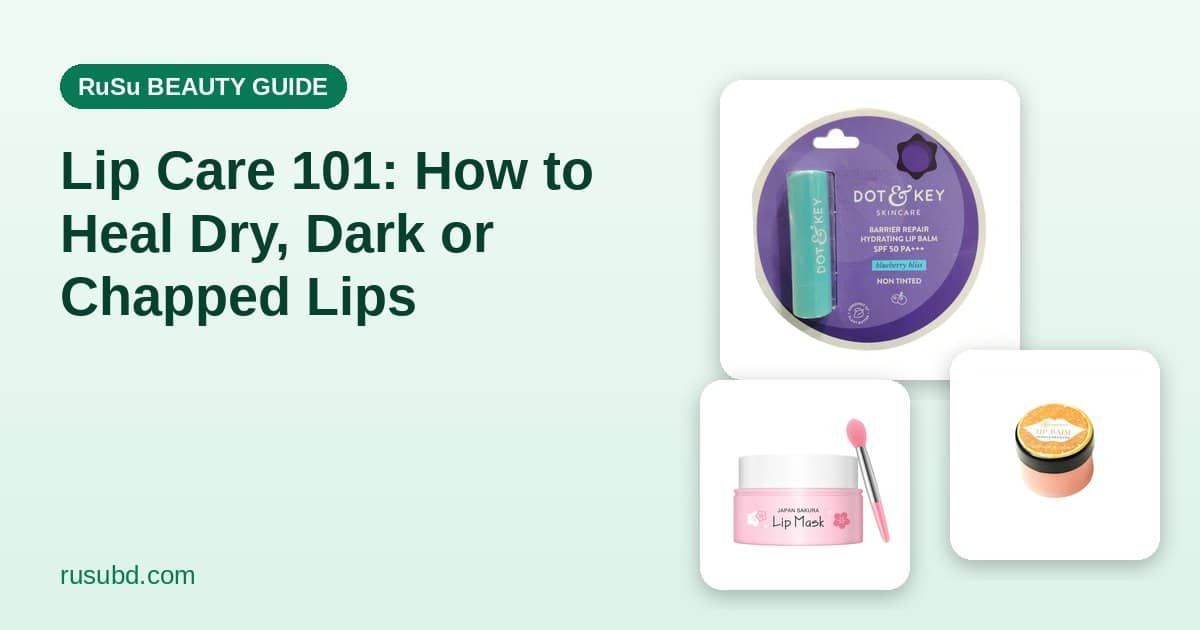
- Apply a lip balm with SPF every morning and reapply after eating or drinking. Dot & Key Barrier Repair Hydrating Lip Balm SPF 50+ combines moisture and sun protection.
- Carry your balm so you're not tempted to lick dry lips.
At night
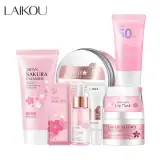
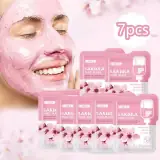
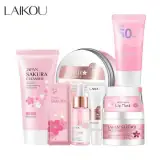
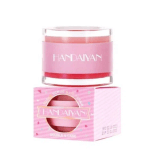
- Use an overnight lip mask or a thick layer of balm. Try Laikou Japan Sakura Lip Mask or the Bioaqua Collagen Lip Mask.
Once or twice a week
- Exfoliate gently to remove flakes — with a soft lip scrub or a damp washcloth, using light circular motions. Skip this if your lips are cracked or bleeding; let them heal first.
Ingredients to Look For
- Occlusives that seal in moisture: petrolatum, shea butter, beeswax, lanolin
- Emollients that soften: plant oils (avocado, jojoba, coconut), squalane, ceramides
- Humectants that hydrate: glycerin, hyaluronic acid — best under an occlusive
- SPF for daytime
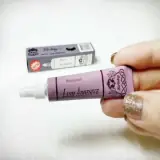
Nourishing balms like Organikaon Orange & Shea Butter Lip Balm or Bioaqua Avocado Moisturising Lip Balm are good everyday choices, and a lip oil such as Beauty Glazed Nourishing Lip Oil adds shine with moisture.
Ingredients That Can Irritate
If your lips stay sore or peel despite using balm, check for ingredients that can irritate some people: menthol, camphor, eucalyptus, strong flavours (such as cinnamon or mint), and heavy fragrance. They may feel tingly and "cooling", but can make sensitive lips worse. Switch to a plain, fragrance-free balm for a couple of weeks and see if things improve.
Prepping Lips for Lipstick
- Exfoliate gently (only if not cracked).
- Apply a thin layer of balm and wait a few minutes.
- Blot away the excess with a tissue.
- Apply your lipstick — it will glide on smoothly and look even. Need shade ideas? See our top 10 lipstick shades.
When to See a Doctor
See a doctor if you have painful cracks at the corners of your mouth that don't heal, sores or blisters, lips that stay swollen, or peeling that continues for more than two to three weeks despite good care. These can be signs of infection, allergy or a nutritional deficiency that needs treatment.
Shop Lip Care at RuSu
Explore lip balms, overnight masks and lip oils in our lip care collection, including Dot & Key and more, at RuSu.
Frequently Asked Questions
How can I heal chapped lips fast?
Stop licking them, apply a thick, fragrance-free balm or petroleum jelly often (especially at night), drink enough water and avoid exfoliating until they have healed.
Can dark lips become pink naturally?
Your natural lip colour is partly genetic, but protecting lips from the sun, stopping smoking and keeping them moisturised can reduce extra darkening over time.
Is it bad to use lip balm all the time?
No — reapplying a gentle balm is fine. If you feel you "need" it constantly, check whether your balm contains irritating ingredients like menthol or fragrance.