

















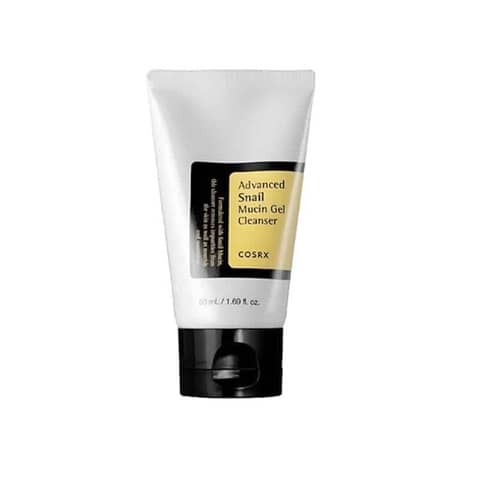
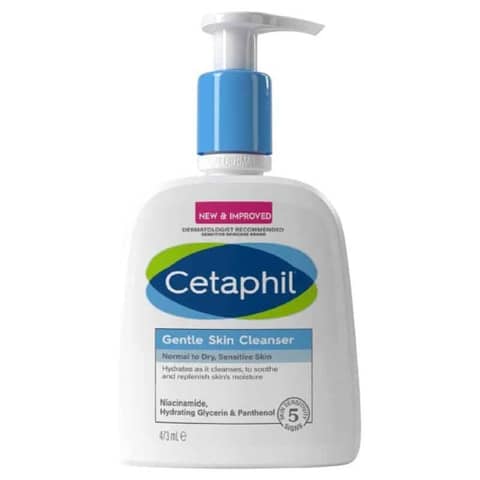
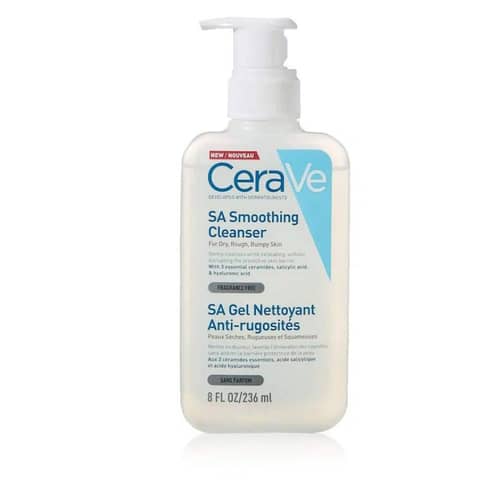
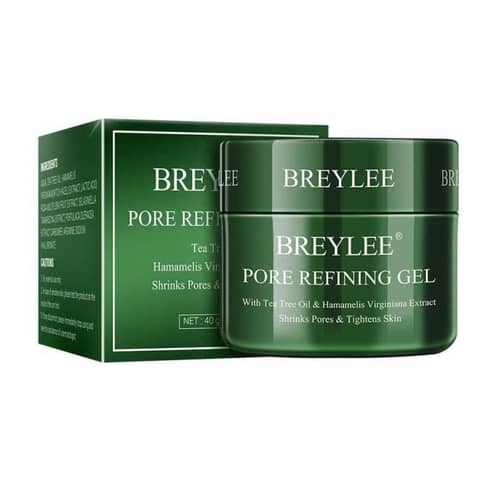
Best Facial Cleansers in Bangladesh (2026)
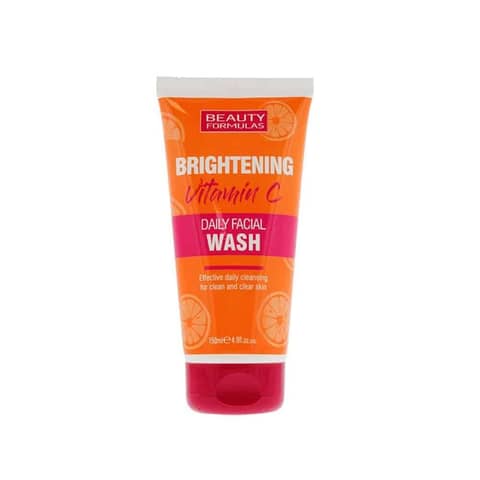
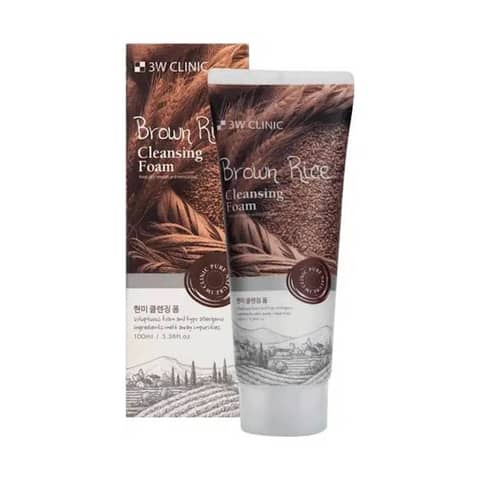
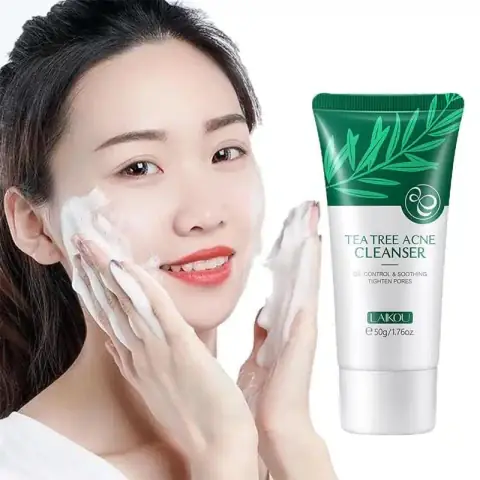
A face wash — also called a facial cleanser — is step one of every skincare routine. Looking for the best face wash and facial cleanser in Bangladesh? At RuSu, 100% authentic face cleansers range from ৳155 to ৳3,350 — gel, foam, cream and oil formulas for every skin type. Our customers' top picks right now:
- Best overall (oily/combination): CeraVe Foaming Facial Cleanser 87ml — ৳950
- Best for sensitive skin: Simple Kind to Skin Refreshing Facial Gel Wash 150ml — ৳590
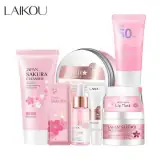
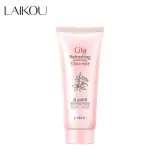
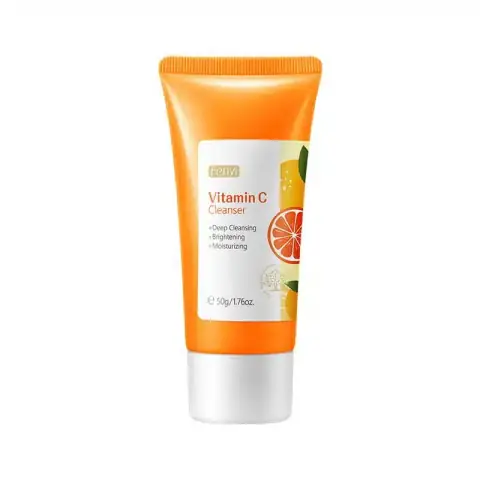
- Best budget pick: Laikou Vitamin C Cleanser 50g — ৳155
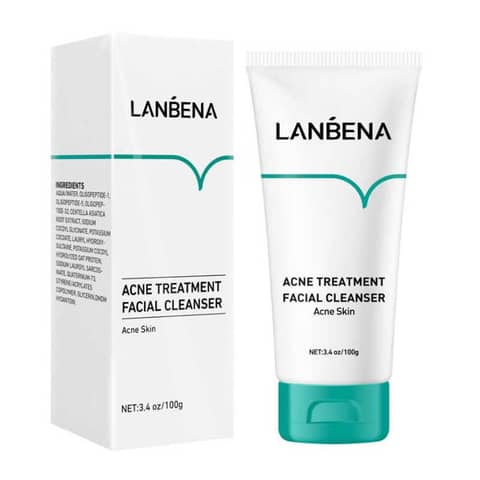
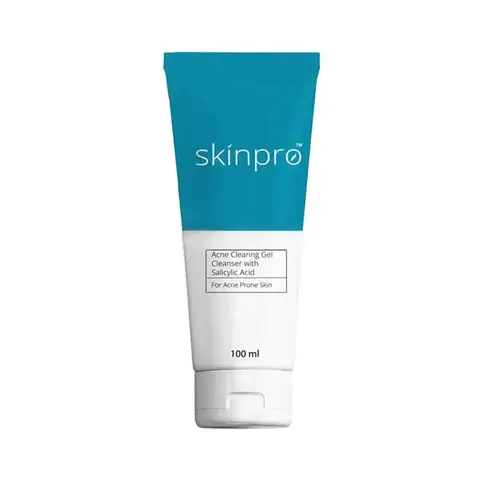
- Best for acne-prone skin: Skinpro Acne Clearing Gel Cleanser 100ml — ৳160
- Best K-beauty trial: SKIN1004 Madagascar Centella Deep Cleansing Foam (mini) — ৳20
Every cleanser is original, with cash on delivery nationwide and fast delivery in Dhaka.
Best Face Wash Price List in Bangladesh (2026)
Here is a quick price list of popular face washes and cleansers at RuSu — every product is 100% authentic with cash on delivery across Bangladesh:
| Face Wash / Cleanser | Brand | Price | Best For |
|---|---|---|---|
| Laikou Vitamin C Cleanser – 50g | Laikou | ৳155 | Brightening, dull skin |
| Laikou Men Moisturizing Face Cleanser 50g | Laikou | ৳170 | Men |
| Laikou Rice Silky Cleanser 50g | Laikou | ৳185 | Daily brightening |
| Laikou Pro Niacinamide Brightening Cleanser – 50ml | Laikou | ৳280 | Brightening, uneven tone |
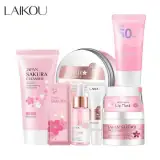
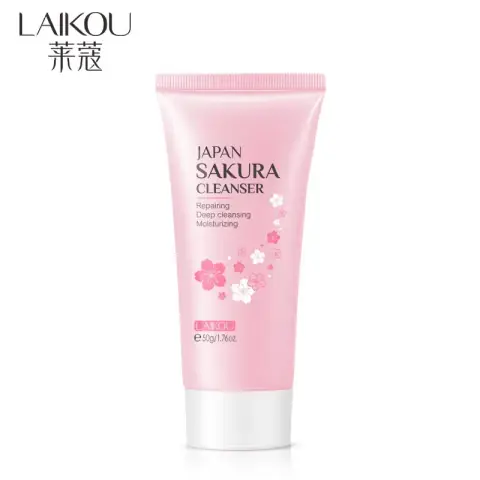
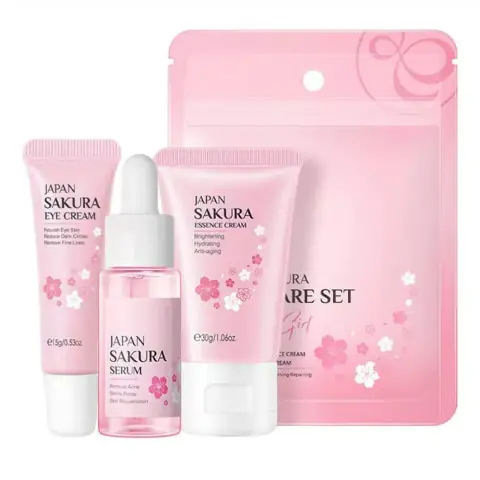
| Laikou Japan Sakura Cleansing Mousse – 100ml | Laikou | ৳350 | Daily foam, all skin types |
| 3W Clinic Avocado Cleansing Foam – 100ml | 3W Clinic | ৳420 | Daily foam cleanse |
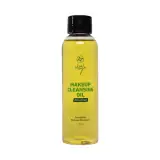
| Skin Cafe Makeup Cleansing Oil – 120ml | Skin Cafe | ৳495 | Makeup removal, double cleanse |
| Nature Skin Jeju Green Tea CICA Hydrating Facial Foam | Nature Skin | ৳750 | Sensitive skin, hydration |
| SHEGLAM Face Cleansing Balm – 35g | SHEGLAM | ৳990 | Makeup removal |
| SKIN1004 Madagascar Centella Foam Cleanser – 125ml | SKIN1004 | ৳1,299 | Sensitive, acne-prone skin |
| CeraVe Hydrating Cleanser – 236ml | CeraVe | ৳1,850 | Normal to dry skin |
| Cetaphil Daily Facial Cleanser – 473ml | Cetaphil | ৳3,350 | Combination, oily & sensitive skin |
Why the Right Cleanser Is the Foundation of Every Skincare Routine
In the world of skincare, cleansing is step one — and it's arguably the most important step of all. A good cleanser removes dirt, excess oil, makeup, sunscreen, pollutants, and dead skin cells that accumulate throughout the day and night. Without effective cleansing, your toner, serum, and moisturizer cannot properly absorb or function. You're essentially applying expensive products onto a dirty surface.
But cleansing isn't just about using any soap on your face. The wrong cleanser — especially one that's too harsh or not suited to your skin type — can strip the skin's protective acid mantle, disrupt the microbiome, trigger breakouts, and cause dryness and irritation. In Bangladesh's heat and pollution, where skin is exposed to dust, vehicle fumes, and heavy sweating, choosing a proper facial cleanser becomes even more critical. Browse RuSu for more options.
This guide walks you through every type of cleanser, how to identify the right one for your skin, the gold-standard double cleansing method, and what ingredients to look for and avoid. Explore Shampoo & Conditioner on our store.
Types of Face Cleansers Explained
Gel Cleansers
Gel cleansers have a transparent or translucent gel texture that lathers into a foam when activated with water. They provide a deep, thorough clean and are excellent for removing excess oil, sweat, and daily grime. Most gel cleansers contain mild surfactants and are suited for normal to oily skin types. Look for gel cleansers with added ingredients like tea tree, salicylic acid, or niacinamide for additional acne-fighting or brightening benefits. Gel cleansers are the most popular choice in Bangladesh's hot and humid climate. Discover Makeup Sponge for quality choices.
Foam Cleansers
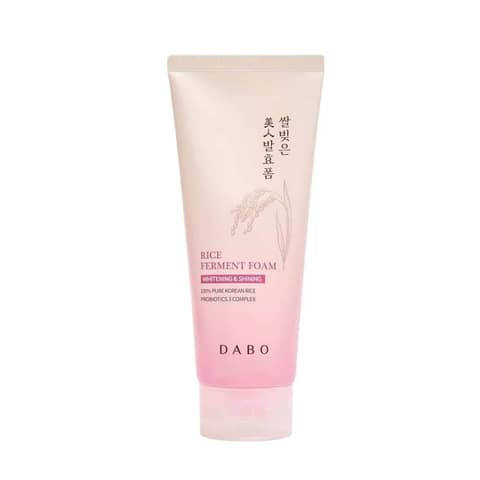
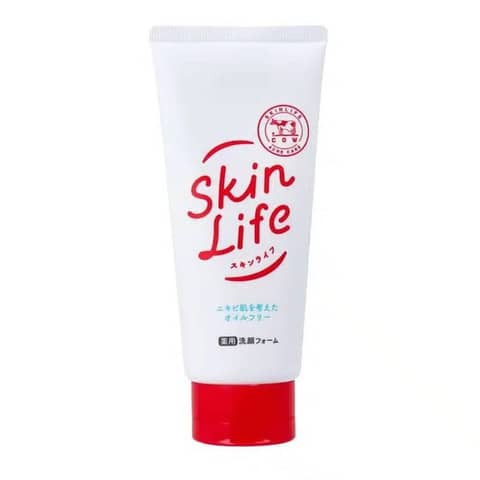
Foam cleansers come out of the tube as a mousse or foam, making them very easy and satisfying to use. They feel ultra-light and airy on the skin and provide a refreshing, squeaky-clean feeling. High-quality foam cleansers can cleanse effectively without over-stripping the skin. Korean foam cleansers in particular have become extremely popular globally for their lightweight, effective formulas. They're best suited for oily, combination, or normal skin. Shoppers also recommend Bogo.
Cream Cleansers
Thick and rich in texture, cream cleansers are formulated to cleanse while simultaneously nourishing and hydrating the skin. They do not lather much and are applied and rinsed (or gently wiped off with a cloth). Cream cleansers are ideal for dry, mature, and sensitive skin types that need moisture replenishment during the cleansing step itself. They're also perfect for winter use when the skin is more prone to dryness. Check out Lip Oil for great picks.
Micellar Water
Micellar water is a gentle, no-rinse cleanser made up of tiny lipid molecules (micelles) suspended in soft water. These micelles act like magnets, attracting and lifting dirt, oil, and makeup without disturbing the skin's natural barrier. Micellar water is the gentlest of all cleansers and is ideal for sensitive skin, those with rosacea or eczema, or as a first step in double cleansing to remove makeup. It requires no rinsing but some people prefer to follow with a water-based cleanser for a more thorough clean. See our Sleeping Mask collection.
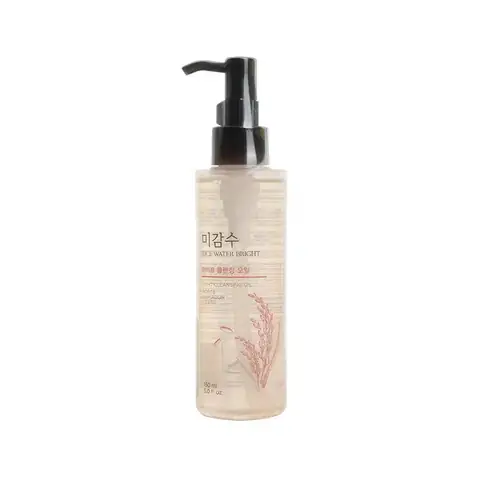
Oil Cleansers
Oil cleansers leverage the principle that "like dissolves like" — oil effectively dissolves and removes sebum, sunscreen, long-wear makeup, and other oil-based impurities that water-based cleansers struggle with. Applied dry to dry skin, massaged in, then emulsified with water before rinsing, oil cleansers leave the skin clean and soft without stripping. They are particularly effective as the first step in double cleansing. Despite their name, oil cleansers are suitable for all skin types, including oily and acne-prone skin. Popular with buyers: Nails.
Balm Cleansers
Balm cleansers are solid oil cleansers that melt into a luxurious oil upon contact with the skin. They are incredibly effective at removing heavy makeup, SPF, and long-wear products. The balm texture makes them easy to apply and control, and they leave skin feeling deeply nourished. Like oil cleansers, they are best followed by a water-based second cleanser in a double cleanse routine. Find more at Combo Offer.
Clay Cleansers
Clay-based cleansers use kaolin, bentonite, or other mineral clays to draw out impurities, excess oil, and toxins from pores. They provide a deep, mattifying clean and are particularly beneficial for acne-prone and oily skin. Clay cleansers should not be used daily as they can be drying with overuse — 2-3 times per week is generally ideal. They're also excellent as spot-treatment face washes for pre-breakout areas. Worth exploring: Lip Scrub.
The Double Cleansing Method: Why It Works
Double cleansing, popularized by Korean beauty routines, involves two sequential cleansing steps: Customers love Soap in Bangladesh.
- First cleanse: An oil-based cleanser (oil, balm, or micellar water) to dissolve sunscreen, makeup, and oil-based impurities
- Second cleanse: A water-based cleanser (gel, foam, or cream) to remove any remaining residue and water-soluble impurities like sweat and pollution
Double cleansing ensures your skin is thoroughly cleaned without over-stripping. It's especially recommended for anyone who wears SPF (which everyone should), makeup, or lives in a highly polluted environment — all of which describe most people in Dhaka and other Bangladeshi cities. In the evening, double cleansing is ideal. In the morning, a single gentle cleanser is usually sufficient since you cleansed the night before. A top choice: Tools.
How to Identify Your Skin Type for Cleanser Selection
The simplest way to identify your skin type is the "bare face test." Wash your face with a mild cleanser, pat dry, and wait one hour without applying anything. Then observe: Don't miss Cotton Pads while shopping.
- Oily skin: Shiny or greasy all over — choose gel or clay cleansers
- Dry skin: Feels tight, flaky, or uncomfortable — choose cream or oil cleansers
- Combination skin: Oily T-zone (forehead, nose, chin) but dry cheeks — choose a balanced gel cleanser
- Normal skin: Balanced, no major issues — most cleanser types work well
- Sensitive skin: Redness, stinging, or irritation — choose fragrance-free, hypoallergenic micellar or cream cleansers
Key Ingredients to Look For in a Cleanser
- Salicylic acid (BHA): Penetrates pores to clear blackheads and acne — for oily/acne-prone skin
- Glycerin: Humectant that attracts and retains moisture — great for dry and sensitive skin
- Niacinamide: Brightens, reduces pores, and controls oil — suits most skin types
- Centella asiatica: Soothes inflammation and accelerates healing — ideal for sensitive and acne-prone skin
- Hyaluronic acid: Hydrates during the cleansing step — beneficial for dry and dehydrated skin
- Tea tree oil: Natural antibacterial for acne-prone skin — use in moderation
- Ceramides: Strengthen the skin barrier — excellent for dry and sensitive skin
Ingredients to Avoid in Cleansers
- Sulfates (SLS/SLES): Harsh surfactants that strip the skin's natural oils — particularly problematic for dry and sensitive skin
- Alcohol (denatured): Excessively drying and can disrupt the skin microbiome
- Synthetic fragrance: Common cause of skin irritation and allergic reactions
- High concentrations of essential oils: Can cause sensitization with daily use on facial skin
Cleanser Routine for Bangladesh's Climate
Given Dhaka's heavy pollution, high temperatures, and humidity, most people benefit from: Highly rated: Lipsticks.
- Morning: Gentle low-pH gel or foam cleanser to remove overnight sweat and sebum without over-cleansing
- Evening: Double cleanse — oil cleanser first to remove SPF and pollution, followed by gel or foam cleanser
- After gym/outdoor activities: Quick cleanse with your regular morning cleanser to prevent sweat-induced breakouts
Top Cleanser Brands Available at RuSu
Our curated cleanser collection includes trusted international and local brands — from Korean beauty staples to dermatologist-recommended formulas. Browse gel cleansers, foam cleansers, oil cleansers, micellar waters, and cream cleansers filtered by skin type, concern, and price. Enjoy fast delivery across Dhaka and all of Bangladesh with easy returns and dedicated customer support. Consider Soothing Gel for your routine.
Cleanser pH: Why It Matters More Than You Think
The skin's natural pH is approximately 4.5-5.5 — slightly acidic. This acidic environment is critical for healthy skin: it supports the skin microbiome (beneficial bacteria that protect against pathogens), maintains the integrity of the skin barrier, and keeps the protective acid mantle functioning properly. Many traditional soaps and some cleansers have a pH of 9-11 (highly alkaline), which disrupts this delicate balance. Repeatedly using alkaline cleansers raises the skin's pH, which disrupts the microbiome, weakens the barrier, and triggers skin problems including dryness, sensitivity, and increased acne. Modern low-pH cleansers (pH 5-6.5) preserve the acid mantle and microbiome while cleansing effectively. In Bangladesh, where access to pH-balanced formulas is improving, this is worth understanding when selecting your face wash. Trending now: Eye Primer.
How Often Should You Change Your Cleanser?
Your skin's needs change across seasons, hormonal cycles, and lifestyle shifts — and your cleanser should adapt accordingly. In Bangladesh's hot summer months, a more thorough gel cleanser or double cleansing routine addresses increased oil and sweat production. During cooler, drier winter months, switching to a gentler or cream cleanser prevents the over-stripping that becomes more problematic in dry weather. If you're traveling to different humidity conditions, adapt your cleanser accordingly. Signs your cleanser isn't working for your current conditions: persistent breakouts despite using an acne-focused cleanser, chronically dry or tight post-wash feeling, or unusually dull skin. Reassessing your cleanser seasonally is a smart practice. Browse Covid 19 for more options.
Cleanser Mistakes That Sabotage Your Skincare Routine
Even with the right cleanser, application errors can undermine results. Using water that's too hot strips natural oils and dilates capillaries — always cleanse with lukewarm or cool water. Rubbing the face dry with a rough towel creates friction that can cause irritation and broken capillaries — always pat dry gently with a soft, clean towel. Neglecting to rinse thoroughly leaves cleanser residue on the skin that can clog pores and cause irritation. Cleansing for less than 60 seconds doesn't give the cleanser enough contact time to work effectively — massage for a full minute. Sharing face towels spreads bacteria between family members — everyone should have their own dedicated face towel, changed frequently. Explore Spices on our store.