





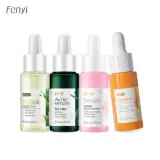










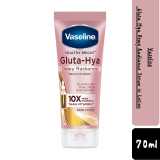





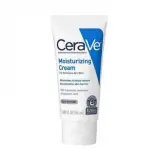










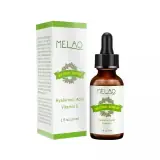
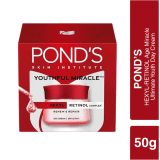













Face care is the foundation of healthy, glowing skin — a consistent daily and weekly routine of cleansing, hydrating, treating, and protecting that, over time, produces measurably better skin health and appearance than any single product or occasional treatment. In Bangladesh, face care has transformed from a simple soap-and-water approach to a sophisticated, product-inclusive practice driven by access to international skincare science through social media, e-commerce, and a growing domestic beauty industry. Understanding the purpose of each face care step allows for building a personalized, effective routine rather than blindly following trends. A top choice: RuSu.
The Core Face Care Routine: Steps and Purpose
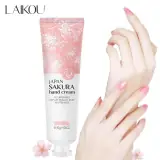
A complete face care routine consists of essential steps performed daily and treatment steps performed periodically. Cleansing — removing makeup, sunscreen, excess oil, environmental pollution, and dead skin cells from the skin surface — is the non-negotiable foundation. Without proper cleansing, all subsequent products are less effective (penetrating through a layer of grime and product buildup) and pores become congested. For Bangladesh's double-pollution environment (outdoor environmental pollution + daily sunscreen use), double-cleansing is highly effective: an oil-based cleanser first dissolves oil-based impurities (sebum, sunscreen, makeup), followed by a water-based foam or gel cleanser that removes the oil cleanser and any remaining water-based impurities. This two-step cleansing leaves the skin genuinely clean without stripping, providing an optimal canvas for subsequent products. Don't miss Hand Care while shopping.
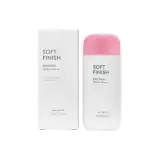
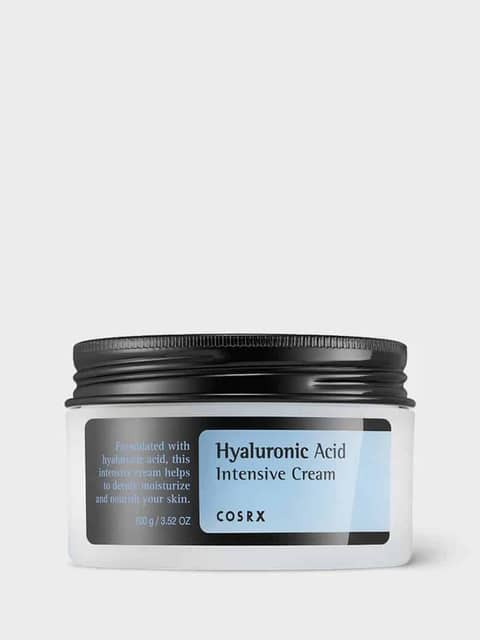
Toning (applying a water-based liquid toner after cleansing) serves multiple purposes depending on the formula: restoring the skin's natural pH after cleansing (particularly relevant if the cleanser was too alkaline); delivering hydrating ingredients (hyaluronic acid, glycerin) to freshly cleansed skin; and preparing the skin to better absorb subsequent serums and moisturizers. Not all toners are equal — traditional alcohol-heavy "astringent" toners are counterproductive for most skin types, causing dryness and rebound oiliness. Modern hydrating or treatment toners (containing active ingredients) are valuable routine additions. Moisturizing seals hydration into the skin, provides active ingredients like antioxidants and retinol in high-efficacy concentrations, and protects the skin barrier. SPF applied as the final morning step is the single most impactful skin aging prevention measure — more than any serum or treatment product. Highly rated: Gaming Headphone.
Face Care for Bangladesh's Specific Environmental Challenges
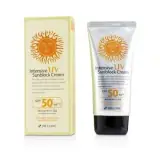
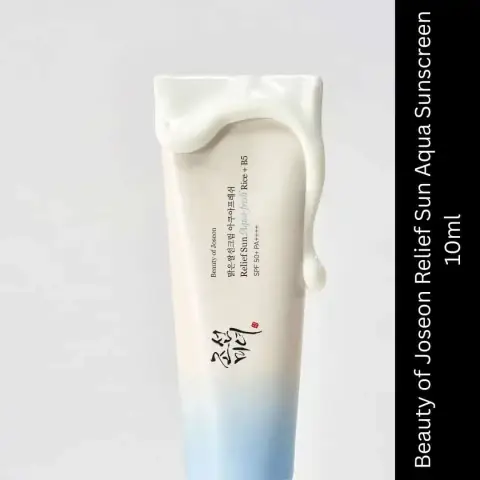
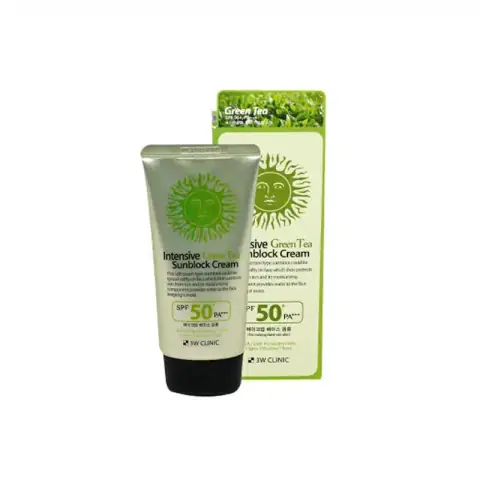
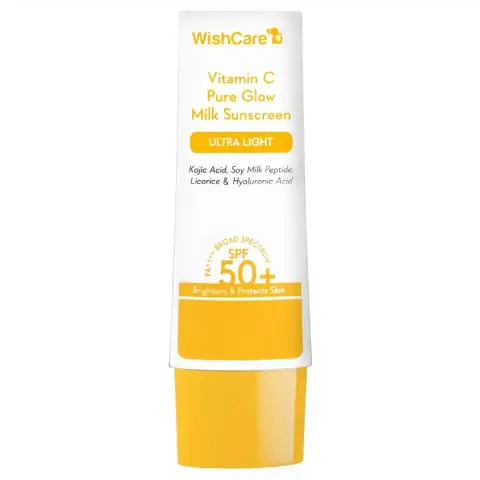
Bangladesh's environment creates specific skin challenges that require targeted face care approaches. Intense UV radiation (Bangladesh receives some of the highest UV levels in the world year-round) causes three major skin damage pathways: immediate sunburn and inflammation; cumulative photoaging (fine lines, textural changes, loss of elasticity from collagen degradation); and hyperpigmentation (dark spots and uneven tone from melanin over-stimulation). Daily SPF50+ broad-spectrum sunscreen is not optional in Bangladesh — it's the foundation of any skin health routine. Without SPF, all other skincare investment is partially undermined by ongoing UV damage. Consider Kajal for your routine.
Dhaka's severe air pollution (PM2.5 and PM10 particulate matter, nitrogen dioxide, ozone) deposits on skin and generates free radicals that accelerate skin aging and contribute to hyperpigmentation. Antioxidant-rich skincare (vitamin C serum, niacinamide, green tea extract, vitamin E) neutralizes these free radicals before they cause DNA damage. Evening thorough cleansing removes the day's pollution deposit from the skin surface. Humidity cycling (extreme humidity in summer, relatively drier air in winter) creates alternating challenges — oil management in summer, barrier support in winter — requiring seasonal routine adjustment rather than a rigid year-round formula. Browse Health & Beauty for more options. Trending now: Kids & Baby.
Face Care for Common Bangladeshi Skin Concerns
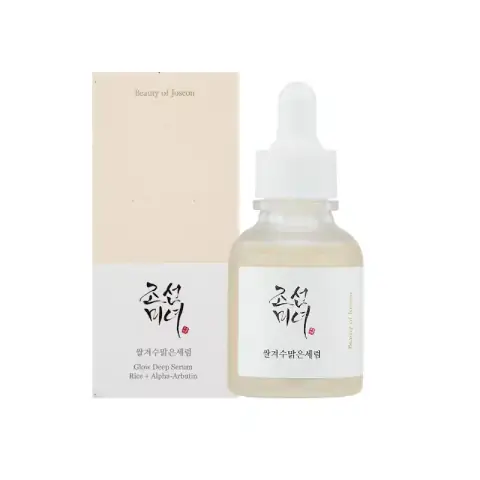
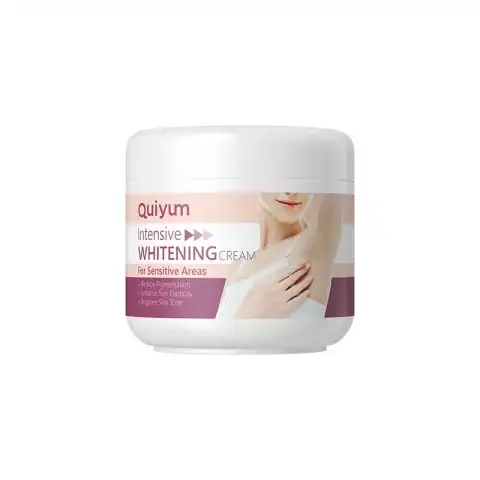
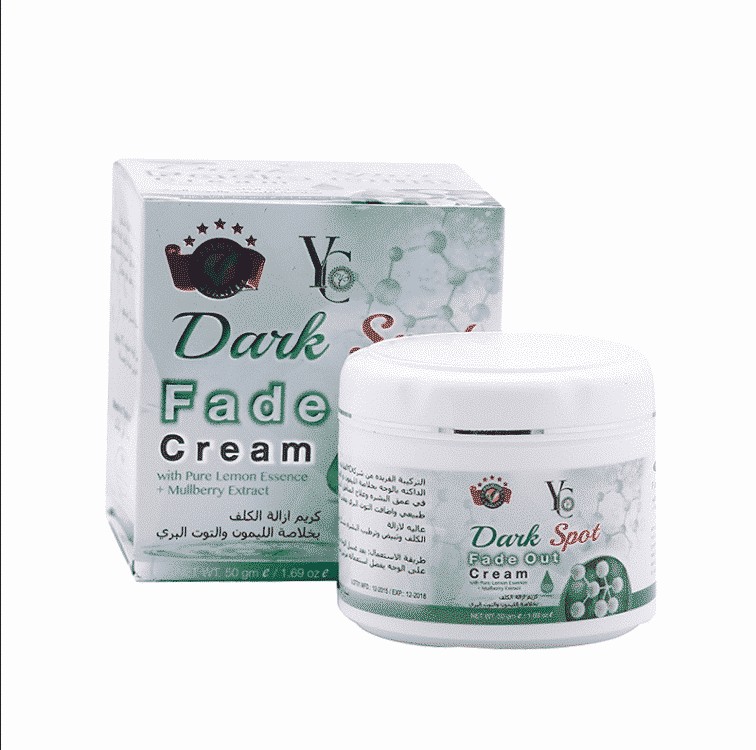
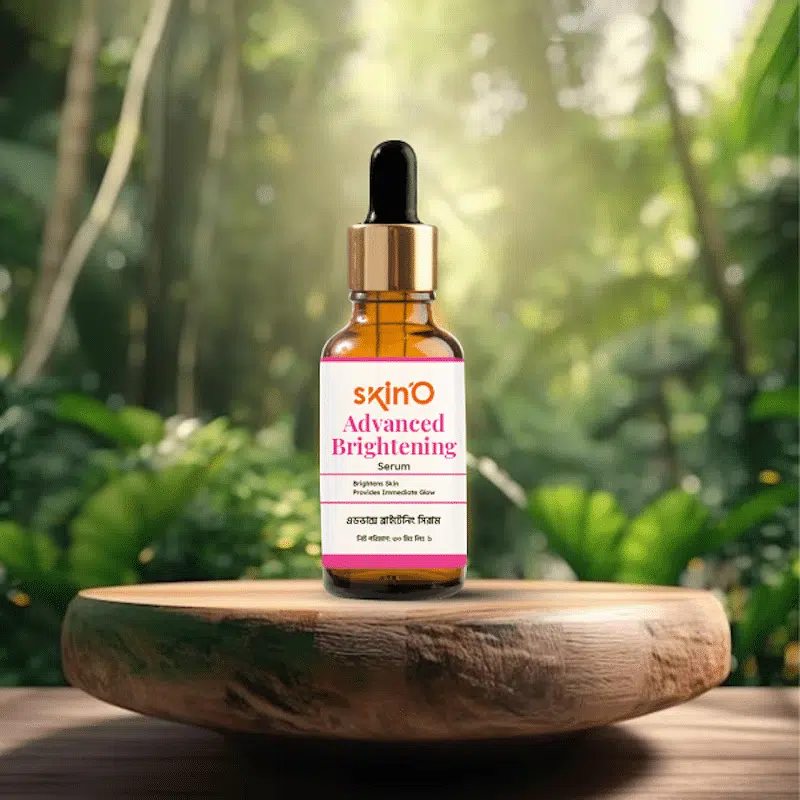
Hyperpigmentation — uneven skin tone, dark spots, post-acne marks — is the most universally cited skin concern across Bangladesh's population, driven by high UV exposure, the genetic tendency of South Asian skin toward post-inflammatory pigmentation, and the prevalence of acne. An evidence-based approach to hyperpigmentation: daily SPF (the most important anti-hyperpigmentation measure — without it, existing spots darken and new ones form continuously); daily niacinamide 10% (slows melanin transfer and gradually fades existing discoloration); vitamin C serum (brightens and prevents new UV-induced pigmentation); AHA exfoliation 2-3 times weekly (accelerates the shedding of pigmented surface skin cells). Improvement timeline: visible at 8 weeks, significant at 16 weeks, maximum results at 6 months of consistent combined use. Explore Router on our store.
Acne and oily skin are the second most common concern. The Bangladesh-specific approach: oil-free, non-comedogenic moisturizer and SPF (many people with oily skin skip moisturizer, which causes compensatory oil production that worsens the problem); BHA exfoliant (salicylic acid 1-2%) applied 2-3 times weekly for pore-clearing; niacinamide 10% for sebum regulation; benzoyl peroxide spot treatment for active inflammatory breakouts. For severe or cystic acne, dermatologist consultation for prescription treatments (tretinoin, antibiotics, isotretinoin) is more effective than any over-the-counter routine. Discover Lash Glue for quality choices.
Building Your Face Care Routine: A Practical Guide
An effective face care routine doesn't require many products or high expense. A minimum effective routine: gentle cleanser (morning, evening), moisturizer with SPF (morning), and simple moisturizer (evening). This three-product routine, used consistently every day, produces better results over time than a ten-product routine used irregularly. Add targeted products one at a time: introduce a vitamin C serum or niacinamide for brightening; then add a retinol or BHA exfoliant; then additional treatments. The single most important habit in face care is consistency — the same simple routine performed every day outperforms an advanced routine performed occasionally. Shoppers also recommend Lifestyle.
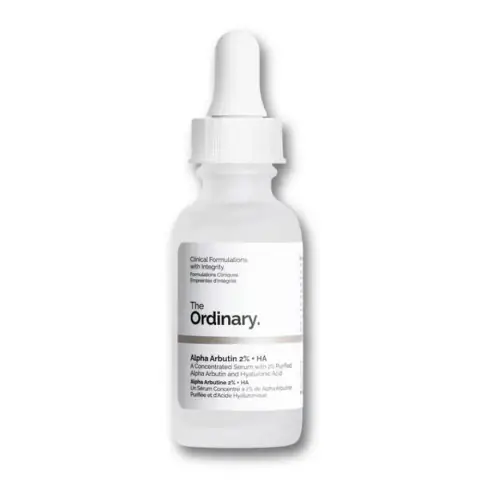
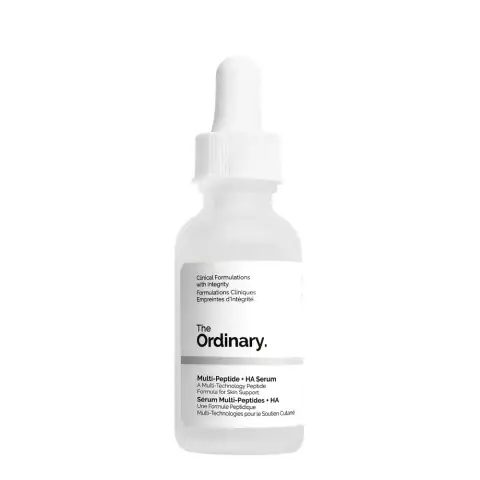
Product quality versus consistency: a budget cleanser used every day is more effective than an expensive one used twice weekly. The dermatological data consistently shows that routine consistency is the primary predictor of skincare results, not product price or formula sophistication. Many excellent, effective skincare products are available at accessible prices in Bangladesh — CeraVe, The Ordinary, and local brands with evidence-based formulations provide professional-grade ingredients at consumer price points. The investment in skincare is an investment in long-term skin health — results from consistent face care accumulate over months and years, becoming more visible with time. See our Earbuds collection. Check out Lip Care for great picks.
Special Face Care Considerations for Men in Bangladesh
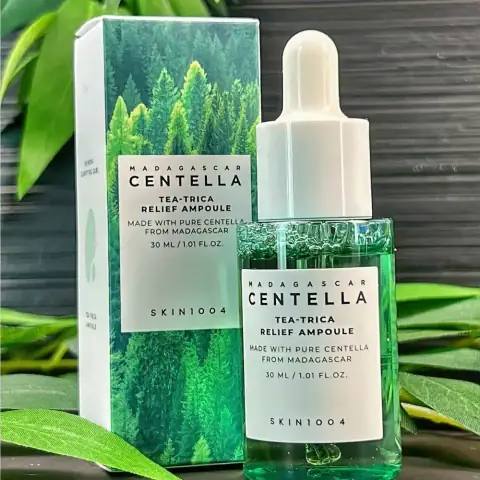
Men's face care in Bangladesh is a rapidly growing category as awareness that skincare is not gender-specific has spread through social media and changing cultural attitudes. Men's skin has specific differences from women's that affect routine needs: men's skin is 25% thicker and produces more sebum on average; daily shaving creates micro-injuries that require supportive barrier care; the increased oil production makes oily skin and acne more common in men. A simple, effective men's face care routine: gentle cleanser twice daily (morning and evening); moisturizer with SPF in the morning (this is the most-skipped step for men and the most impactful); post-shave calming serum or moisturizer containing niacinamide or centella asiatica to support the shaving-stressed skin barrier. Sunscreen recommendation is particularly important for men who spend more time outdoors in Bangladesh's UV environment — working, commuting, and outdoor activities without sun protection accelerates the skin aging that becomes visible in the 30s and 40s. Popular with buyers: Makeup Brush.
Skincare for Different Life Stages of Bangladeshi Women
Face care needs evolve significantly across life stages, and Bangladeshi women face distinct skin challenges at each stage. In teenage years: the primary concerns are acne (driven by hormonal changes activating sebaceous glands), sun protection education, and establishing basic cleansing and moisturizing habits. A simple, consistent routine focused on gentle cleansing, non-comedogenic moisturizer, and SPF — established early — creates the foundation for long-term skin health. During pregnancy: hormonal changes cause significant skin changes — the "pregnancy glow" (increased blood volume, hormonal changes), but also melasma (pregnancy mask, intense hyperpigmentation), acne, and sensitivity changes. Pregnancy-safe skincare avoids retinol, high-dose salicylic acid, and certain brightening ingredients — focusing on vitamin C, azelaic acid (safe), physical SPF, and gentle hydration. During perimenopause and menopause (increasingly relevant for Bangladesh's aging female population): declining estrogen reduces skin thickness, elasticity, and moisture retention — richer moisturizers, retinol (highly effective for post-menopausal skin changes), peptides, and consistent SPF address the distinct concerns of this life stage. Each stage requires routine adaptation — a teenage acne routine is wrong for a 45-year-old, and vice versa. Find more at Makeup.
Addressing Hyperpigmentation: The Most Common Bangladeshi Skin Concern
Hyperpigmentation — dark spots, uneven skin tone, post-acne marks (PIH), and melasma — is the skin concern cited most frequently by Bangladeshi skin care users across all demographics. The combination of intense UV radiation year-round, genetic predisposition of South Asian skin to post-inflammatory hyperpigmentation, high rates of acne, and hormonal factors creates one of the highest-prevalence populations for pigmentation concerns in the world. An evidence-based protocol addresses hyperpigmentation from multiple angles simultaneously for best results. Prevention — daily SPF50+ broad spectrum sunscreen, every single day — is the most critical and most impactful step; without it, all other brightening treatments are working against ongoing UV-stimulated new pigmentation formation. Active brightening — daily niacinamide 10%, used consistently for 8+ weeks, inhibits melanin transfer and gradually reduces existing discoloration. Weekly exfoliation — AHA toner or exfoliating pad 2-3x weekly — accelerates the shedding of pigmented dead skin cells, revealing brighter cells beneath. Spot treatments for concentrated dark spots — vitamin C serum daily, azelaic acid (safe during pregnancy), or kojic acid topical — provide targeted treatment for stubborn marks. This combined protocol produces visible results at 8 weeks, significant improvement at 16 weeks, and the best long-term outcomes at 6 months of consistent use. Worth exploring: Teeth Care.
Building a Consistent Face Care Habit in Bangladesh
The most sophisticated skincare products provide no benefit if not used consistently — and building a consistent face care habit is the fundamental challenge that all skincare advice must ultimately address. In Bangladesh, where long working hours, heat-driven fatigue, and busy daily schedules are common, creating a sustainable routine requires realistic planning. The key principles of habit formation applied to face care: start with the minimum effective routine (cleanser + SPF in the morning, cleanser + moisturizer at night) and commit to this for 30 days before adding anything; anchor skincare to existing habits (always apply SPF after brushing teeth in the morning; always cleanse before changing out of work clothes in the evening); store products visibly where they will be used — a neatly organized skincare station in the bathroom is used more consistently than products stored in drawers; reduce friction in the morning routine by preparing a tray with everything needed. The psychology of skincare habit maintenance: progress photos taken monthly in consistent lighting provide objective evidence of improvement that motivates continuation; keeping routines manageable enough to complete even on tired or busy days prevents the "all or nothing" mindset where missing one day becomes skipping a week. Customers love Hair Color in Bangladesh.