








Why Sunscreen is the Most Important Skincare Product
Dermatologists agree unanimously: if you can only do one thing for your skin, wear sunscreen every day. UV radiation is responsible for up to 90% of visible skin ageing, the vast majority of dark spots and hyperpigmentation, and is the primary cause of skin cancer.
In Bangladesh, the UV Index regularly reaches 10–12+ (Extreme) between March and October. Even on overcast days, up to 80% of UV rays penetrate clouds.
Understanding SPF
SPF (Sun Protection Factor) measures how much UVB radiation a sunscreen blocks:
- SPF 15: Blocks ~93% of UVB rays
- SPF 30: Blocks ~97% of UVB rays
- SPF 50: Blocks ~98% of UVB rays
- SPF 100: Blocks ~99% of UVB rays
For Bangladesh's climate, minimum SPF 30 — ideally SPF 50 — is recommended for daily use.
What Does PA++++ Mean?
The PA rating (Protection Grade of UVA) is a Japanese/Asian system that tells you how well a sunscreen blocks UVA rays, which cause tanning, ageing, and skin damage that penetrates deeper than UVB.
- PA+: Some UVA protection
- PA++: Moderate protection
- PA+++: High protection
- PA++++: Highest UVA protection
For Bangladesh, look for SPF 50 PA+++ or higher for maximum protection.
Chemical vs Physical Sunscreen
Chemical Sunscreens
Absorb UV rays and convert them to heat. They tend to be lighter, invisible on skin, and work better for everyday wear. Common ingredients: avobenzone, octinoxate, oxybenzone.
Physical (Mineral) Sunscreens
Sit on top of skin and reflect UV rays. Main ingredients: zinc oxide, titanium dioxide. Better for sensitive skin and can leave a white cast on darker skin tones — though newer formulations have minimised this.
Sunscreen Formulas for Different Skin Types
- Oily/Acne-prone skin: Gel-based or fluid sunscreen, oil-free, non-comedogenic (won't clog pores)
- Dry skin: Cream-based sunscreen with added moisturising ingredients
- Sensitive skin: Mineral/physical sunscreen, fragrance-free
- Normal/combination skin: Lightweight lotion or fluid texture
How Much to Apply (Most People Don't Use Enough)
The recommended amount for the face alone is ¼ teaspoon (about 1.25ml) — which is roughly two finger lengths of product. Most people apply only 20–50% of what's needed, drastically reducing protection.
When and How to Reapply
- Apply as the last step of your morning skincare routine, before makeup
- Wait 15–20 minutes before sun exposure after application
- Reapply every 2 hours when outdoors, or after sweating/swimming
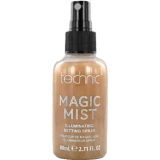
- Use a setting spray SPF or powder SPF for easy reapplication over makeup
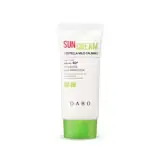
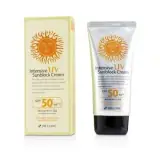
Shop Sunscreen at RuSu
Find our curated collection of Korean, Japanese, and international sunscreens designed for humid weather — from ultra-light gel formulas to tinted SPFs. All available with free delivery in Dhaka.